Florida has long dominated the retirement conversation with its white sandy beaches and tax-friendly policies, but a quieter option sits tucked into western South Dakota, islands.com reported.
Custer County offers retirees an alternative path with 226 sunny days a year, according to BestPlaces data cited by islands.com. Instead of oceanfront views, residents look out over the pine-covered Black Hills.
The neighborhood-ranking platform Niche gives the county an above-average grade for its cost of living. Because South Dakota charges no state income tax, retirees can stretch their fixed incomes further than they might in coastal states.
Demographics shift the picture too. Data from the U.S. Census Bureau shows that around 36% of Custer County’s population is 65 or older, meaning newcomers will find plenty of peers in their age bracket.
Sparsely populated with roughly 9,500 residents spread across 1,573 square miles, the county remains largely untouched by heavy development. That isolation preserves its pristine wilderness, which includes two major underground attractions managed by federal authorities.
The area is home to Wind Cave National Park and Jewel Cave National Monument. Both feature some of the world’s longest cave systems, complete with intricate rock formations like boxwork and cave popcorn.

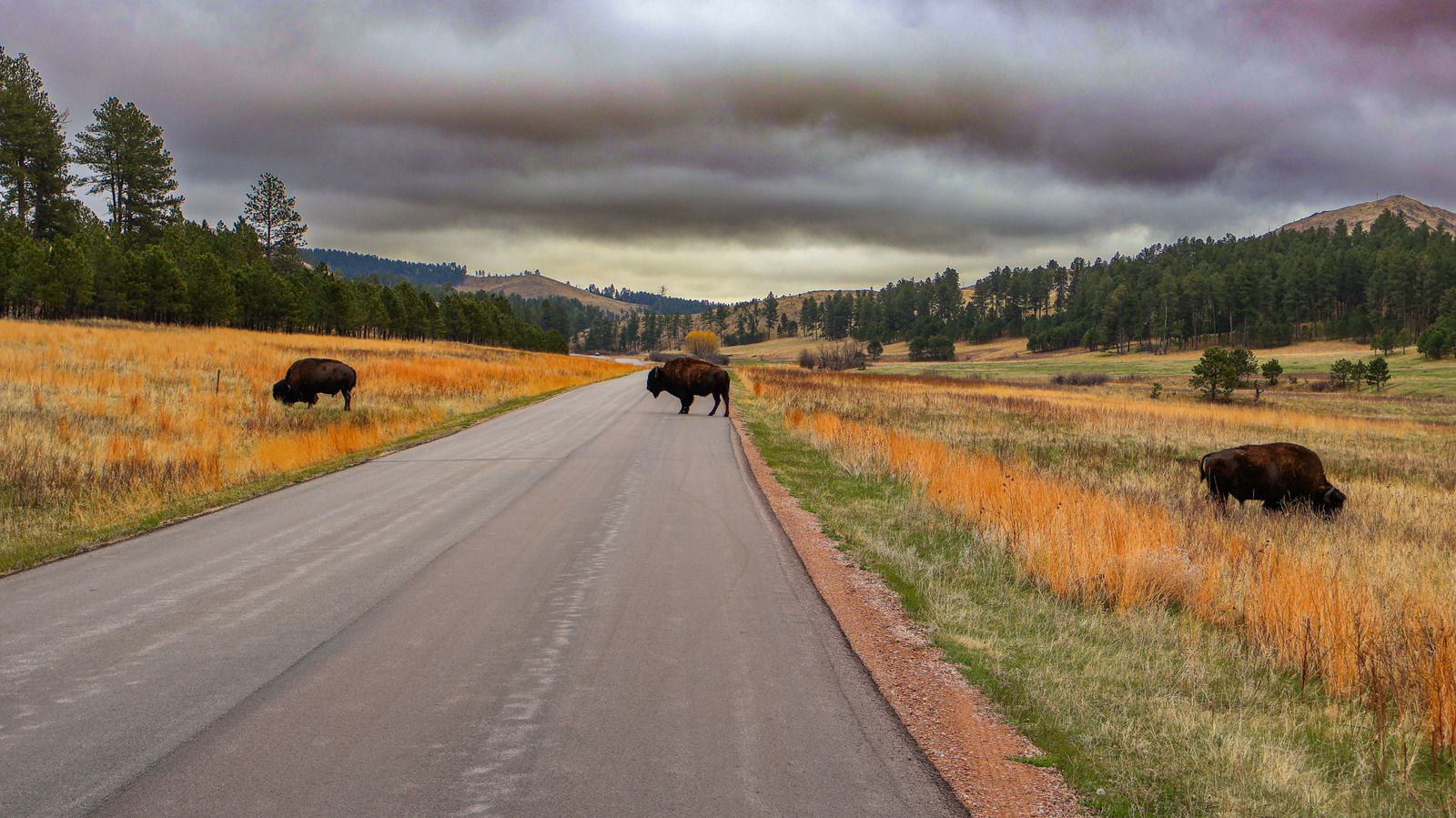
Above ground, Wind Cave National Park serves as a sanctuary for free-roaming bison herds that graze on mixed-grass prairies. Visitors can spot these animals safely from designated roadside pullouts or along trails like the 2.7-mile Cold Brook Canyon Trail.
Wildlife viewing expands further at Custer State Park, the state’s largest and most-visited state park. According to figures from South Dakota Game, Fish & Parks, nearly 1,400 bison roam the grounds.
One visitor described the 18-mile Wildlife Loop Road as an experience that “feels like a real-life safari with bison, elk, burros, and more around every turn,” as reported by islands.com.
Mountain elevations provide another draw for active seniors. The 7.2-mile Black Elk Peak Loop climbs to South Dakota’s highest point, offering panoramic valley views of rugged granite hills for those willing to tackle the climb.
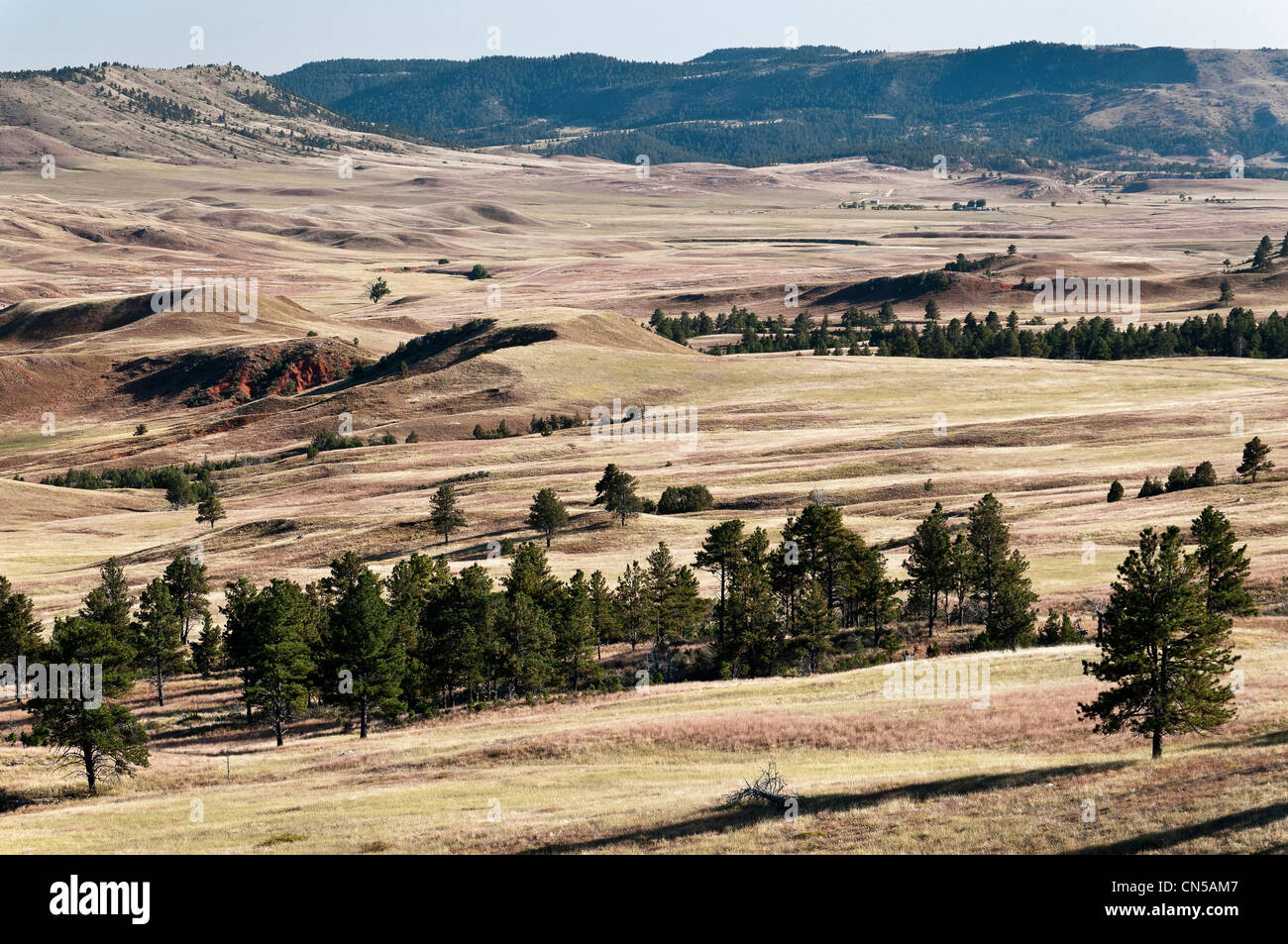
For a gentler pace, the 3.3-mile Coon Hollow Loop cuts through dense conifer forests. Drivers can also travel the 70-mile-long Peter Norbeck National Scenic Byway, which winds through ancient hills dotted with cozy lodges.
The Gold Rush town of Custer offers a compact, walkable downtown filled with restaurants and coffee shops. Hermosa provides a sleepier, suburban-rural mix for those seeking a quieter residential feel.
Rapid City sits about 50 miles away, offering a regional commercial airport, arts, culture, and major healthcare facilities for routine or emergency medical needs.
Yet the region comes with a major trade-off. South Dakota’s notoriously chilly and windy winters can prove difficult for newcomers to adjust to after decades in milder climates.
For retirees willing to trade ocean humidity for mountain air and prairie wildlife, Custer County presents a compelling, lower-cost alternative.

Sadiku Ibine Ayo Gets St. John’s Basketball Tribute at MSG
Sadiku Ibine Ayo scored the first seven points for Iona on Sunday afternoon at Madison Square Garden, but...

Danny Moser’s Family Still Seeks Answers 25 Years After His Death
Twenty-five years after 27-year-old Danny Moser was killed, his family is still searching for answers, NBC News reported....

Jason Thompson Obituary Nov 3, 2026 – Stauffer Funeral Homes
Jason Fredrick Thompson, a resident of Hancock, Maryland, known for his relentless hands-on creativity and deep devotion to...

Atlantic Bay Mortgage Group Named a Charlotte Top Workplace for 11Th Consecutive Year
Atlantic Bay Mortgage Group secures 11th consecutive Charlotte Top Workplace honor Atlantic Bay Mortgage Group LLC has been...