
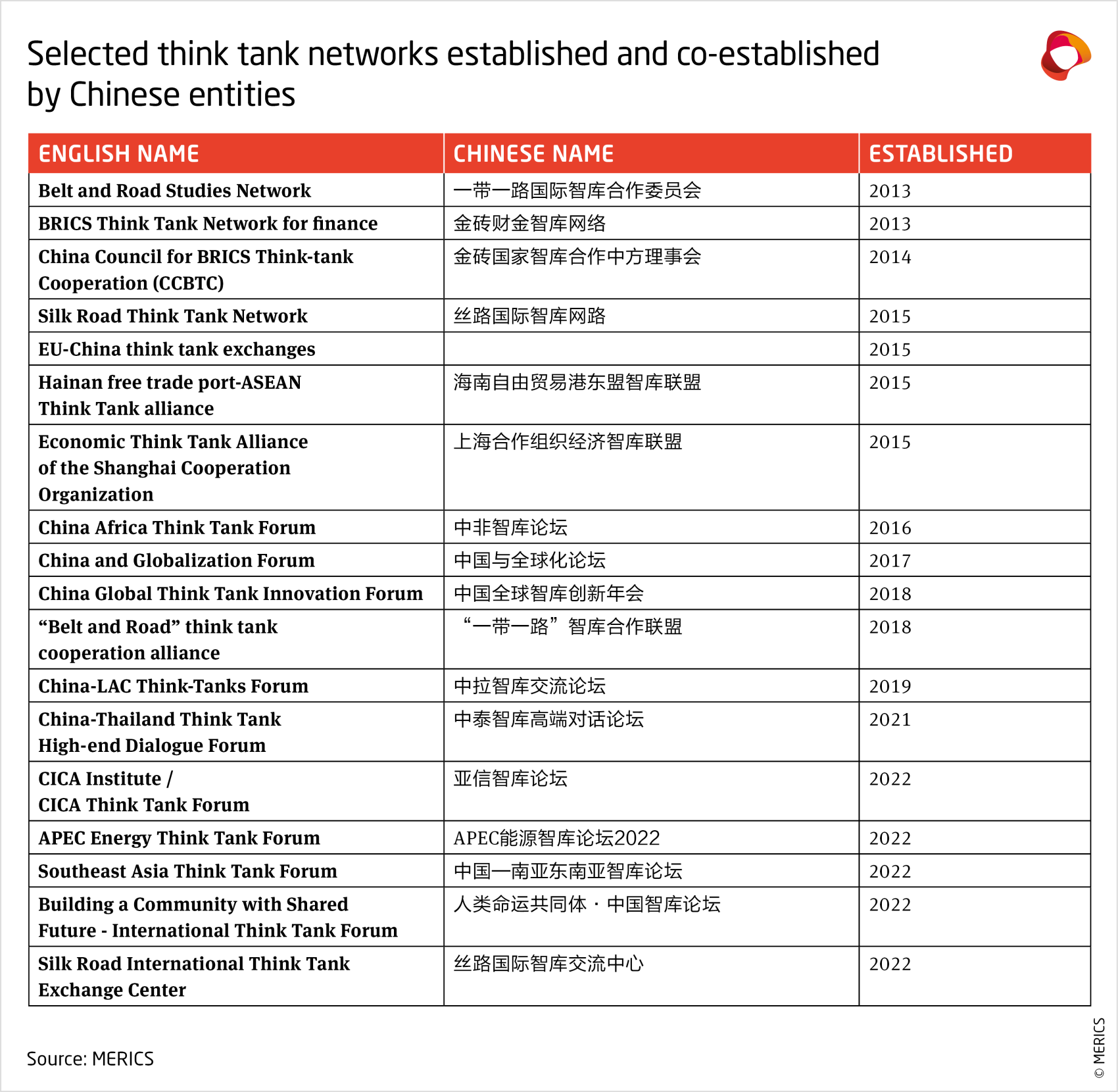
Indonesia possesses only 37 registered think tanks, a figure that stands in stark contrast to its status as a G-20 member, according to the latest “Global Go To Think Tank Index Report” from the Think Tanks and Civil Societies Program at the Lauder Institute, University of Pennsylvania. While several Indonesian institutions—including CSIS, ICW, ERIA, SMERU, PATTIRO, CIPS, and CIFOR—were recognized among the world’s best in various categories, the sheer volume of domestic research bodies remains critically low compared to global counterparts.
The disparity is most evident when comparing Indonesia to other major economies. Out of 11,175 registered think tanks globally, the United States leads with 2,203, followed by China with 1,413 and India with 612. Nine of the top ten global think tanks originate from G-20 nations. Even Vietnam, a country that underwent significant economic reform starting in 1986 with the Doi Moi era, now hosts 180 think tanks, ranking 10th globally. This density of intellectual institutions helped drive Vietnam’s national growth to an 8 percent achievement in 2025.
For the American public and international investors, this gap in policy capacity represents a significant variable in Southeast Asian stability and economic predictability. As Indonesia moves toward its “Golden Indonesia 2045” vision, the strength of its intellectual infrastructure will dictate how effectively it manages the social, economic, and governance transformations required to reach its century of independence goals.
The Policy Capacity Gap and the Human Development Correlation
The lack of robust research institutions may be directly impacting Indonesia’s ability to translate development plans into human outcomes. Research indicates a strong positive correlation between government effectiveness—which includes the quality of policy formulation and implementation—and the Human Development Index (HDI). Among 19 G-20 countries analyzed, the Pearson correlation stood at 0.732.
Indonesia currently falls below the linear trend-line established by other G-20 nations. With a government effectiveness score of 0.392 and an HDI of 0.728, the nation trails behind peers like Australia, Germany, and Canada, which maintain high scores in both categories. This suggests that the “policy capacity” of the state—its ability to use data and research to drive governance—is a missing link in achieving equitable prosperity.
| Entity/Metric | Value/Rank |
|---|---|
| Total Global Think Tanks | 11,175 |
| U.S. Think Tank Count | 2,203 |
| China Think Tank Count | 1,413 |
| India Think Tank Count | 612 |
| Vietnam Think Tank Count | 180 |
| Indonesia Think Tank Count | 37 |
Current development planning in Indonesia often faces hurdles such as sectoral ego, rigid bureaucracy, and inconsistencies across different leadership periods. Without sufficient independent research to act as a check, projects are frequently pushed through without genuine public participation or regard for environmental carrying capacity. This can lead to misallocated budgets and increased regional disparities.
Bridging the Divide Between Political Interest and Technocratic Science
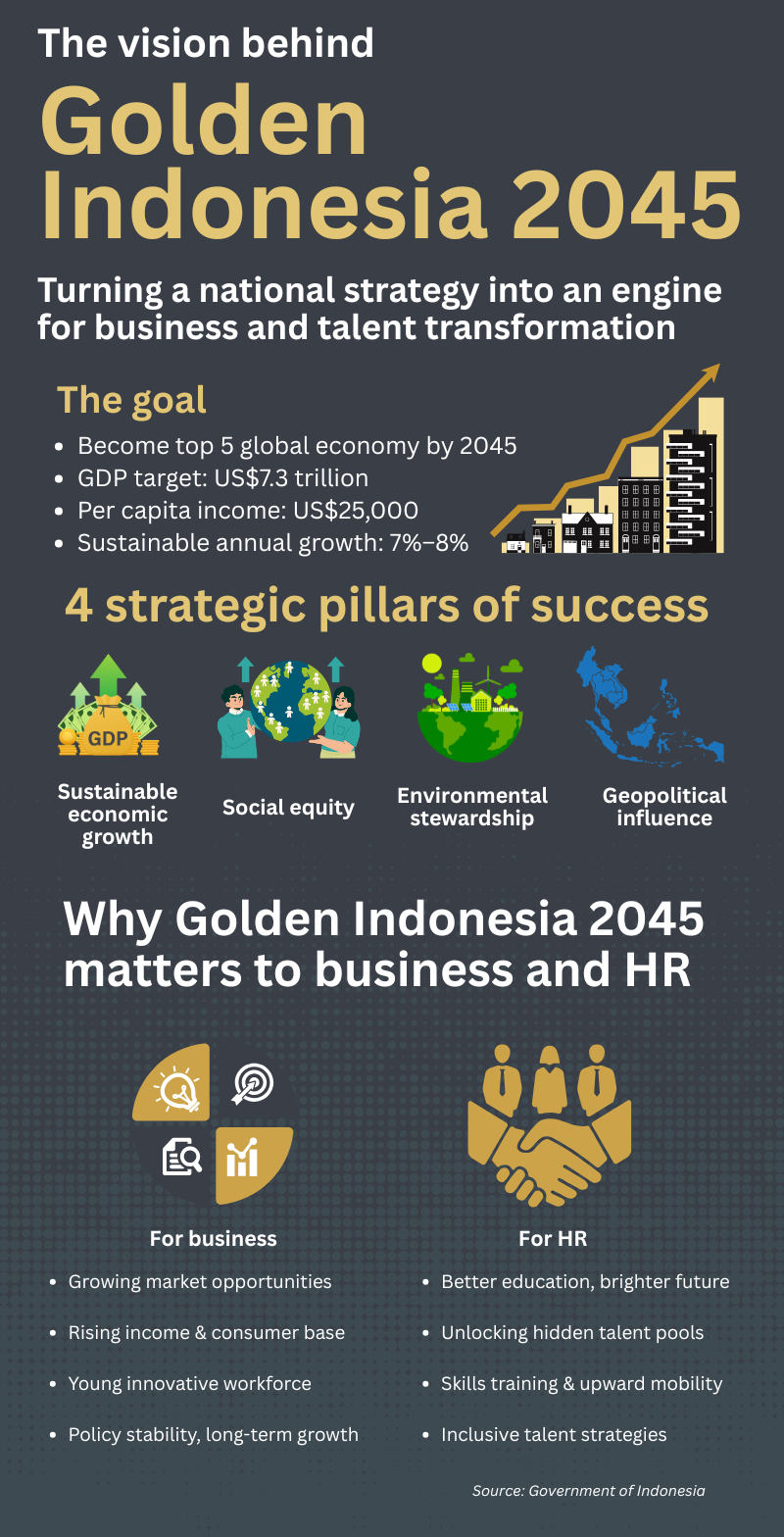
The enactment of Law 59/2024 on the National Long-Term Development Plan (RPJPN) for 2025–2045 established a legal compass for the nation’s future. However, the effectiveness of this roadmap relies on the synergy between government agencies and research bodies. Currently, the political landscape can influence the effectiveness of these institutions, sometimes resulting in policy that prioritizes elite interests over substantive, evidence-based decision-making.
To mitigate this, a more integrated ecosystem is required among several key state entities:
- Bappenas: Responsible for supervising planners.
- BRIN: Acts as the functional supervisor for researchers, engineers, and scientific data analysts.
- Kemdiktisaintek: Supervises lecturers and must expedite the role of universities as policy incubators.
- LAN: Supervises policy analysts and serves as a quality guarantor for national policies.
The role of think tanks is often compared to a “crab” in a tank of fish. In a documented method for transporting live fish to Moscow, a crab was added to the tank; the fish, fearing being pinched, swam constantly and arrived healthy. Similarly, think tanks must act as a strategic partner that keeps the government alert and prevents it from settling into a comfort zone. They serve as “idea factories” that provide the insights politicians may not yet realize they need.
A significant barrier to this intellectual mobilization is the current research budget. Indonesia’s allocation for research sits at just 0.3 percent of its gross domestic product. This figure is notably lower than that of other Asian neighbors, including Thailand, Malaysia, China, and India, limiting the ability of both state and non-governmental institutions to bridge the gap between academic theory and practical governance.
The transition from procedural democracy to substantive democracy remains an ongoing challenge for the republic. As the government moves toward the 2045 vision, the ability of institutions like the University of the Republic of Indonesia (URI) and various independent bodies to filter political interests through scientific rigor will determine the success of the nation’s social and economic transformations.

Six Killed in Krakow Mass Shooting as Three More Bodies Found at Suspect’s Home
Gunman kills six in Krakow market square as three more bodies found at suspect's home A 25-year-old Polish...

Israel President Tasks Gadi Eisenkot to Form New Government Amid Netanyahu Deadlock
Israeli President Isaac Herzog has selected Gadi Eisenkot to lead efforts in forming a new government, signaling a...
South China Sea Disputes: Geopolitical Claims and the Role of UNCLOS
The South China Sea Deadlock and the Limits of International Law The South China Sea has become the...

Bloody Sunday campaigner John Kelly dies after long battle with illness
A Tireless Voice for Justice Falls Silent in Derry John Kelly, the prominent campaigner who spent over five...