UNESCO recommends adding Kazakh traditions to global heritage list
The Salburyny hunting festival, traditional embroidery, and the ancient art of feltmaking are moving closer to official global recognition. According to a document published by UNESCO, the organization’s Evaluation Body has recommended adding these three Kazakh traditions to the Representative List of the Intangible Cultural Heritage of Humanity, The Astana Times reported.
This recommendation marks a significant step for Kazakhstan’s cultural diplomacy, placing these practices on a shortlist for formal inscription. The decision follows a rigorous review process where the Evaluation Body assessed 59 total nominations submitted this year. Of those, 56 were recommended for inclusion, while three were returned to their respective countries for necessary revisions.
The final verdict rests with the UNESCO Intergovernmental Committee for the Safeguarding of the Intangible Cultural Heritage. That committee is scheduled to meet from November 30 to December 5 in Xiamen, China, to make the official determinations.
The nomadic roots of Salburyny
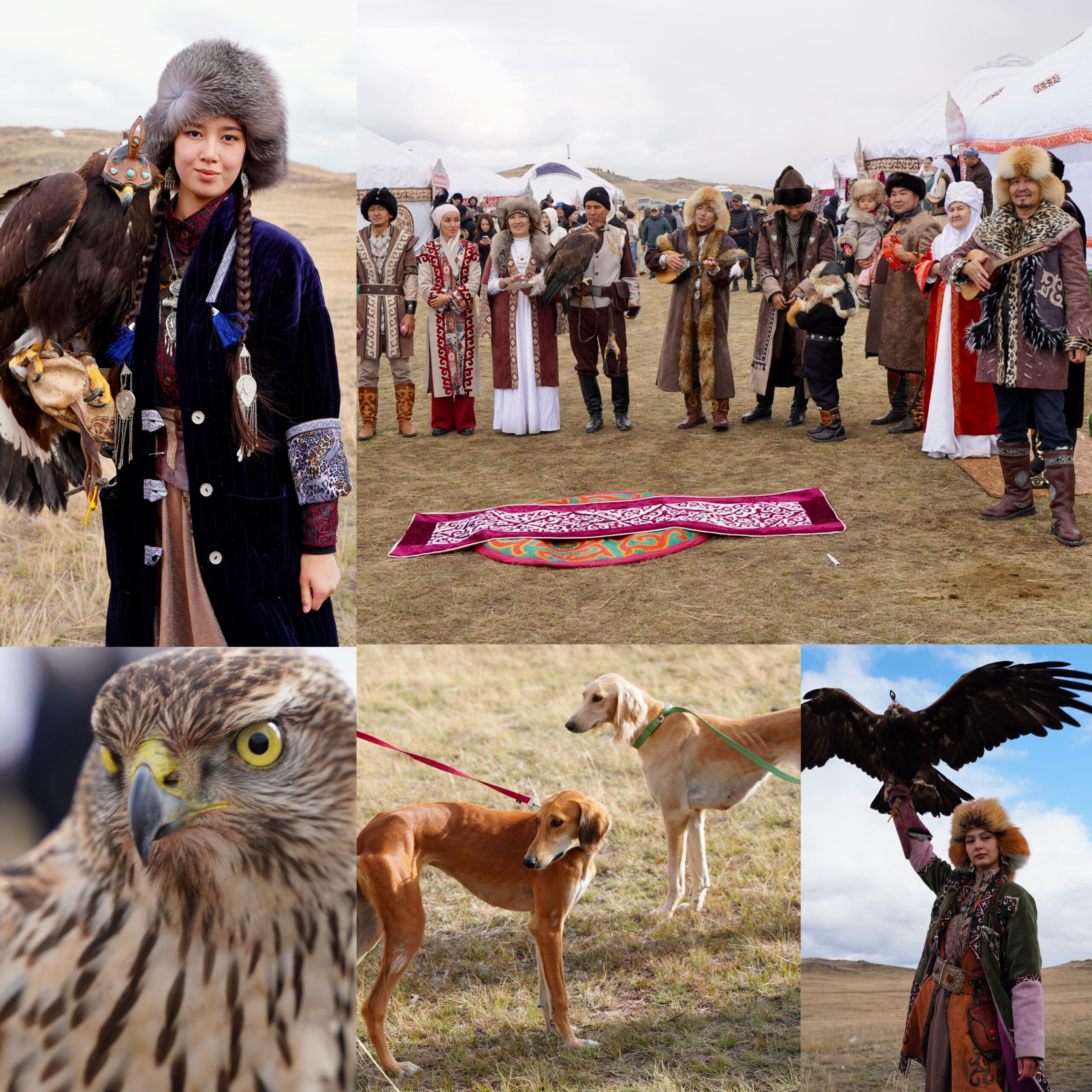
Salburyny is an annual equestrian festival that serves as a living link to Kazakhstan’s nomadic past. Typically held between late autumn and early winter, the weeklong celebration is a complex display of skill involving Tazy hunting dogs, golden eagle falconry, and horseback riding. It is more than a mere spectacle; the festival functions as a communal classroom where musicians, storytellers, and young people gather to preserve oral traditions and animal husbandry techniques.
🔴 BREAKING Orteke, traditional performing art in Kazakhstan: dance, puppet and music, has just been inscribed on the #IntangibleHeritage List. Bravo #Kazakhstan 🇰🇿! ℹ️ https://t.co/n5nd2HXmxB #LivingHeritage pic.twitter.com/m5deGUpJrt
The UNESCO document highlights that the inscription would do more than just honor the past. By recognizing Salburyny, the organization aims to raise awareness of a tradition that integrates falconry and dog breeding with a deep, close interaction with nature. This recognition is expected to bolster wildlife conservation efforts, encourage sustainable tourism, and provide a framework for intergenerational knowledge-sharing. While the festival has been part of Kazakhstan’s National List of Intangible Cultural Heritage since 2013, this move elevates its status to a matter of international significance.
The nomination for the festival was a collaborative effort involving the Kiran Federation, Zhalayr Shora, and the Kansonar Association.
Shared crafts and regional cooperation
While Salburyny stands as a distinct Kazakh tradition, the other two recommended practices represent a model of regional partnership. Kazakhstan submitted the nomination for traditional embroidery jointly with Tajikistan and Uzbekistan. This craft involves sewing symbolic, colorful patterns onto materials like cotton, wool, silk, and leather to decorate everything from clothing and headdresses to household textiles.
These patterns are rarely just decorative. They often draw on local mythology and nature, using flowers, animals, and celestial symbols to convey meanings specific to different communities. Because the craft is practiced primarily by women, both individually and in groups, it serves as a vital economic driver, providing a consistent source of income through the creation of textiles and accessories.
A similar spirit of cooperation defines the nomination for traditional feltmaking. Kazakhstan joined a multi-nation effort including Azerbaijan, Iran, the Kyrgyz Republic, Mongolia, Tajikistan, Türkiye, and Uzbekistan to advocate for this shared heritage. The process of making felt is notoriously labor-intensive, requiring the cleaning, dyeing, rolling, and drying of wool to create materials used for yurt coverings, carpets, and clothing.
The UNESCO Evaluation Body specifically praised the “exemplary cooperation” demonstrated by these nations. By submitting joint nominations, these countries are attempting to protect a cultural thread that transcends modern geographical borders, using the collective process of feltmaking to strengthen social ties and connect different generations across Central Asia and beyond.
The upcoming session in Xiamen will determine if these collaborative efforts result in permanent status on the Representative List.
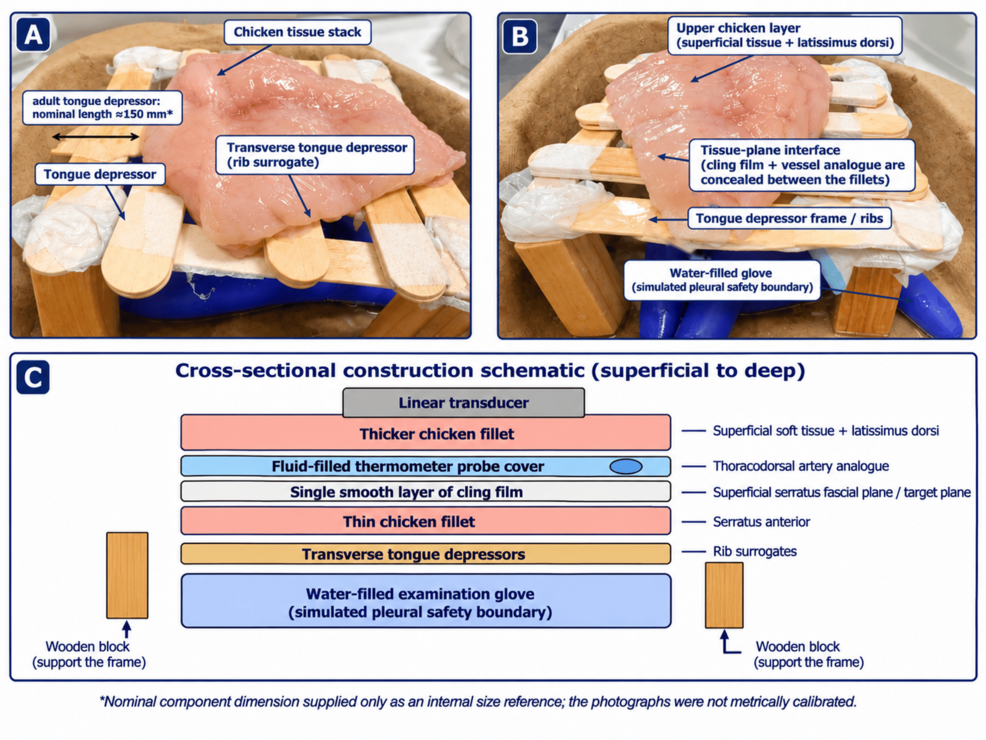
Low-Cost Ultrasound-Guided Serratus Anterior Plane Block Simulator and Training Pathway
A Low-Cost Training Tool for Rib Fracture Pain Management Researchers have developed a makeshift, low-cost simulator designed to...

Punjab Police Deport Wanted Gangster Gurwinder alias Afridi From Ethiopia After 10-Month Manhunt
Gurwinder, widely known as Afridi, landed at Delhi’s Indira Gandhi International Airport early Sunday morning, marking the end...

High-Dose Flu Vaccine Linked to Lower Alzheimer’s Risk in Older Adults
High-dose influenza vaccines may reduce Alzheimer's risk by nearly 55% A higher dose of the annual flu shot...

Locavore NXT in Bali tests zero-import dining and sustainability
The radical pursuit of zero imports in Bali In the heart of Ubud, a culinary experiment is testing...