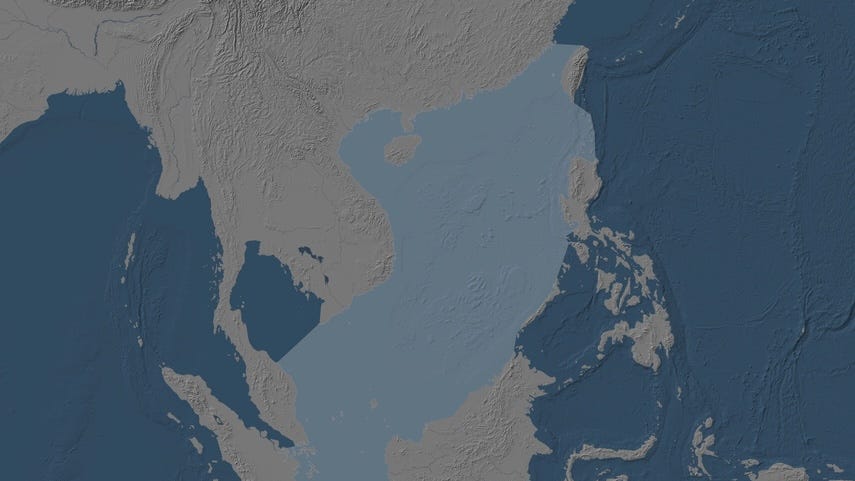
The South China Sea Deadlock and the Limits of International Law
The South China Sea has become the world’s most volatile maritime crossroads, where a web of overlapping territorial claims threatens global trade and energy security. While the United Nations Convention on the Law of the Sea (UNCLOS) serves as the primary legal framework for these disputes, its efficacy has been severely tested by competing assertions of historical rights and modern sovereign jurisdiction. As of November 2026, the region remains a flashpoint where international arbitration has yielded little success in curbing regional tensions.
Does the so-called South China Sea arbitration stand up to legal scrutiny? A report by the China Institute for Marine Affairs argues that the case was not simply an impartial legal judgment. It argues that a dispute over territorial sovereignty was reframed as one under the… pic.twitter.com/QpPGv1p9u4
According to Asian Territorial and Maritime Disputes: A Critical Introduction, published by E-International Relations, the stakes are immense. The area functions as a critical artery for the global economy, with approximately $5.3 trillion in annual trade traversing its waters. This volume accounts for one-third of all global maritime traffic and half of the world’s merchant fleet tonnage. For the United States, the stability of these shipping lanes is not merely a regional concern; it is a direct factor in the energy security of key allies, including Japan, South Korea, and Taiwan, which rely on the sea for the vast majority of their crude oil imports.
Energy Reserves and the High Cost of Control
Beneath the surface of this 1.4-million-square-mile expanse lies a wealth of natural resources that fuels the geopolitical friction. The U.S. Energy Information Administration has estimated the presence of 11 billion barrels of untapped oil and up to 500 trillion cubic feet of natural gas. However, those figures are dwarfed by more aggressive estimates from the Ministry of Geological Resources and Mining of the People’s Republic of China, which has suggested reserves could reach as high as 130 billion barrels.
This potential for resource extraction has driven claimant states—including China, Vietnam, Malaysia, the Philippines, and Brunei—to assert jurisdiction over waters that often fall within their respective Exclusive Economic Zones (EEZs). The competition extends to the biological wealth of the region, which hosts more than 3,000 species of fish. With over 12% of the global fishing catch originating here, the depletion of stocks—estimated as early as 2008 to be 50% fully exploited—has led to recurring clashes between fishing vessels and coast guard patrols, particularly between the Philippines and China.
Historical Claims Versus Modern Legal Frameworks
The primary legal friction stems from the clash between historical assertions and the 1982 UNCLOS guidelines. China continues to base its sovereignty claims on the “nine-dash line,” a demarcation first drawn by the Kuomintang in 1947. This map, which the PRC maintained after its 1949 ascent to power, encompasses the Spratly and Paracel Islands, despite their proximity to the coastlines of other Southeast Asian nations.
Other claimants have adopted varied strategies to solidify their positions:
- Vietnam: Employs archaeological evidence to assert a presence dating back to the 17th century and enacted maritime laws in 2012 requiring foreign naval vessels to register before transit.
- Malaysia: Shifted from a policy of quiet diplomacy to a more assertive stance in 2019, submitting claims to the UN Commission on the Limits of the Continental Shelf (CLCS) for areas beyond 200 nautical miles.
- Brunei: Maintains a neutral, cooperative stance, favoring collective maritime security while occasionally aligning with bilateral agreements to protect its economic interests.
The Arbitration Gap
The role of the Permanent Court of Arbitration (PCA) has been central to attempts at resolution, yet the enforcement of its findings remains a significant hurdle. While UNCLOS provides a mechanism for dispute settlement, the refusal of major powers to fully recognize the binding nature of these rulings has rendered the legal process largely performative. The 2009 joint submission by Vietnam and Malaysia to the CLCS marked a milestone in using international legal channels to define continental shelf limits, yet the commission has yet to issue recommendations that would effectively settle the overlapping claims.
For the average American consumer and taxpayer, the ongoing failure to resolve these disputes creates an environment of permanent economic uncertainty. Disruptions in these shipping lanes could trigger significant spikes in the cost of energy and consumer goods. As claimant states continue to invest in military and diplomatic posturing, the maritime law that was designed to provide order has instead become a stage for competing national interests, leaving the future of the South China Sea in a state of suspended, high-stakes conflict.

Bloody Sunday campaigner John Kelly dies after long battle with illness
A Tireless Voice for Justice Falls Silent in Derry John Kelly, the prominent campaigner who spent over five...
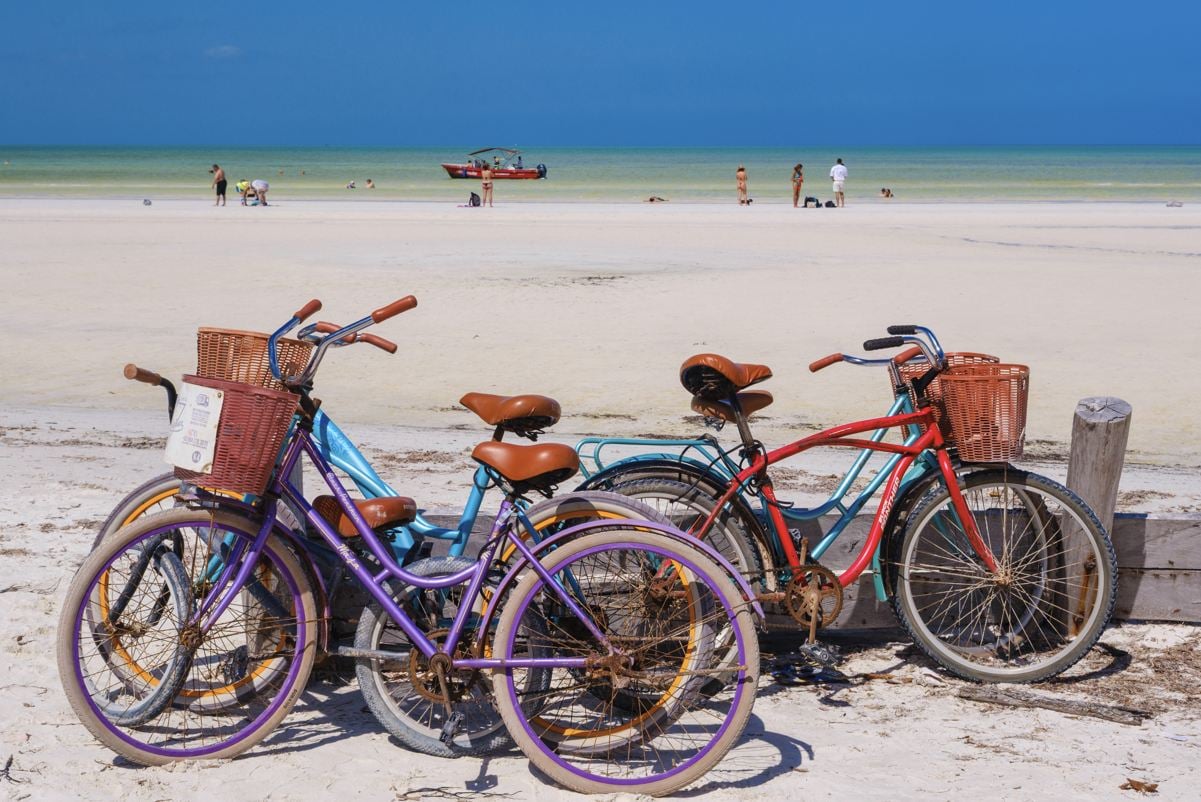
3 Incredible Car-Free Tropical Islands for Your Next Winter Escape
Caye Caulker, Isla Holbox, and Little Corn Island Eliminate Tourist Vehicle Congestion Travelers seeking a reprieve from the...

Five Dead and Dozens Injured in Mass Shooting in Krakow Market Square
Fatal Shooting Strikes Krakow Main Market Square A lone gunman in military-style fatigues opened fire in the heart...

British Soldier Court-Martialed After Sextortion Blackmail Attack
The Cost of a Compromised SIM: A British Soldier’s Legal Downfall A British soldier’s failure to adhere to...