As of noon Eastern time on Wednesday, November 4, 2026, The Associated Press has yet to call a handful of high-stakes Senate and governor races in Mississippi, Alaska, and Kansas, even as Democrats have flipped seats and secured control of both chambers of Congress. The uncalled contests include razor-thin margins that could trigger court-ordered recounts or ranked-choice tabulations.
WKMG reported that the narrow margins come as Democrats flipped seats in places Republicans comfortably won two years ago, locking in majority control of the House and Senate. In the House alone, 59 races where party control of the seat is at stake remained uncalled as of midday Wednesday. The AP does not make projections and will only declare a winner when it determines there is no mathematical scenario allowing trailing candidates to close the gap.
Mississippi Senate race hangs on a few dozen votes
In Mississippi’s Senate contest, Democrat Scott Colom holds a lead of only a few dozen votes over Republican incumbent Sen. Cindy Hyde-Smith. The state does not have an automatic recount process, but a challenger can seek a court order for one, setting up a potential legal battle if the margin stays this tight.
Alaska contests could go to ranked-choice tabulation
Alaska presents a more complex scenario with two major races still undecided. In the Senate race, Democrat Mary Peltola leads incumbent Republican Dan Sullivan by 626 votes with an estimated 74% of votes counted. Under Alaska law, if neither candidate secures more than 50% of the vote, the contest advances to ranked-choice tabulation.
The same rule applies to Alaska’s governor’s race, where Democrat Jonathan Kreiss-Tomkins holds a 20-percentage-point lead over Republican Bernadette Wilson. Kreiss-Tomkins had 49.2% of the vote with an estimated 74% of ballots counted, putting him just below the 50% threshold that would avoid another round of counting.
Holscher narrows Masterson’s lead
In Kansas, Democrat Cindy Holscher maintains a lead of less than one percentage point over Republican Ty Masterson in the governor’s race. Her 5,557-vote advantage with an estimated 98% of votes counted comes on the heels of a landmark Senate victory: Democrat Adam Hamilton became the first member of his party to win a Senate seat in the state in nearly a century. Both Holscher and Masterson currently serve in the Kansas state Senate, where Masterson holds the position of president.

Why these races matter now
The uncalled status of these contests matters because control of statewide offices shapes everything from election administration to redistricting. With Democrats already securing both chambers of Congress, these down-ballot results will determine whether the party can advance its legislative agenda at the federal level while also holding key governorships that oversee state-level implementation of federal policy.
The AP’s cautious approach reflects the high stakes of modern elections, where margins of a few hundred votes can determine which party controls the Senate and whether governors can veto legislation or appoint judges. Until every ballot is counted and the mathematical certainty threshold is met, these races remain officially undecided.
Worth a look
- Port of Seattle Wins IAP2 Program of the Year for Community Equity
- Cape May and Burlington Counties’ school funding proposals advance on ballots
- Estrogen Patch Labels Now Box Only Uterine Cancer; Clot Warnings Remain (daybreakwire.com)
- Keisha Lance Bottoms makes history as first Black woman governor (newsarchyuk.com)
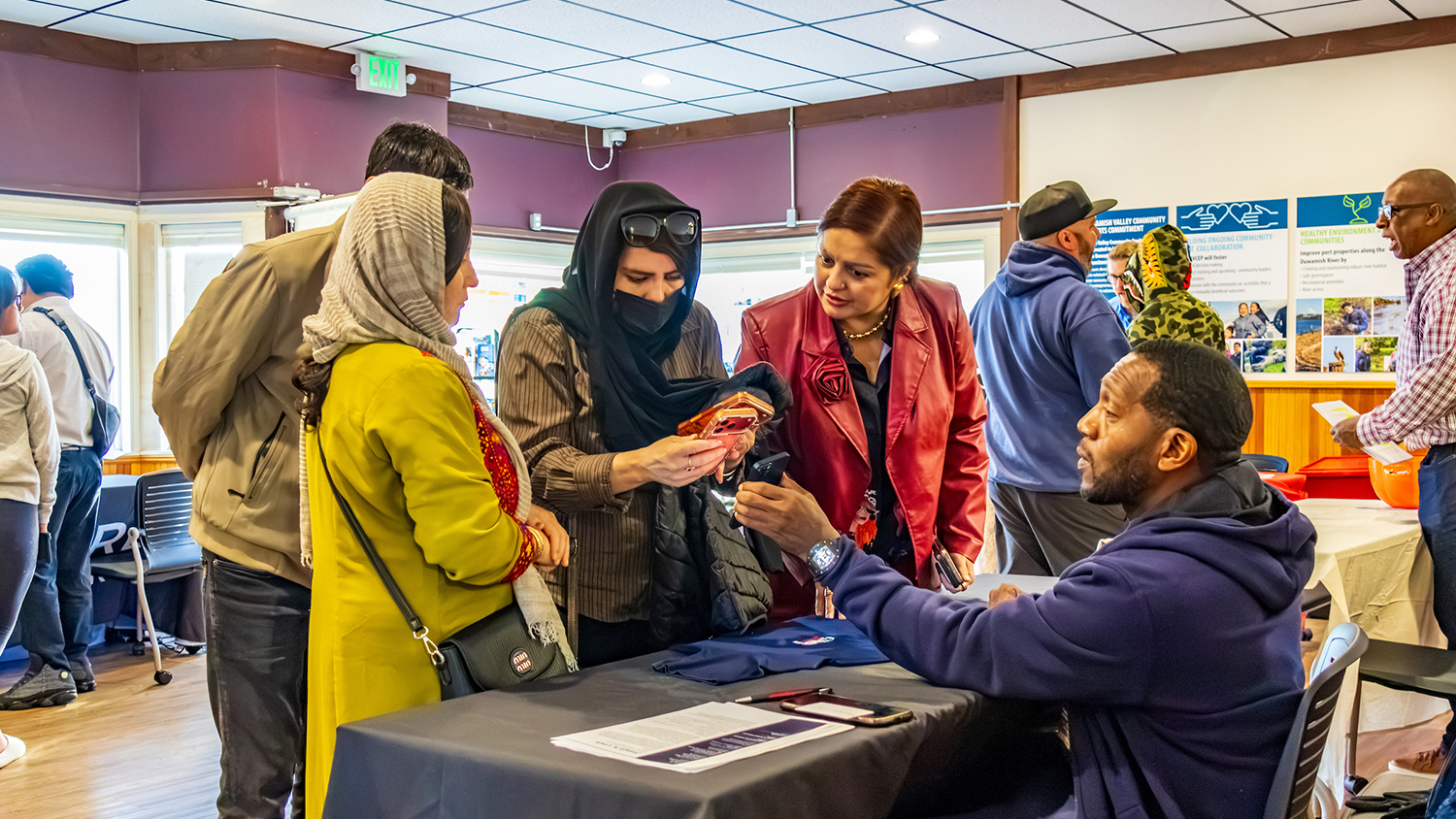
Port of Seattle Wins IAP2 Program of the Year for Community Equity
In October, at the International Association for Public Participation's North American Conference in Vancouver, B.C., the Port of...

Cape May and Burlington Counties’ school funding proposals advance on ballots
More than three-quarters of voters in the Avalon Stone Harbor School District backed a $1.5 million bond referendum...

Six new couples named to lead Church historic sites in February 2027
The First Presidency of The Church of Jesus Christ of Latter-day Saints has named six new couples to...

Writer argues Texas’s Republican identity may be giving way
In a column for The New Yorker, a Texas-based writer argues that the state's seemingly unchangeable Republican identity...