
Wilmington apartment demand defies North Carolina cooling trends
While many small cities across North Carolina are seeing their rental markets cool down, Wilmington is moving in the opposite direction. A new study by the apartment-related blog RentCafe indicates that the local rental market is becoming significantly more competitive, bucking a statewide trend that has seen other small cities experience a slowdown.
According to reporting from StarNews, Wilmington has climbed to the 30th hottest small rental market in the United States. The city’s competitiveness score rose to 78.2 on the Rental Competitiveness Index, up from 74.2 last year. This figure sits notably higher than the national average of 73.9. While cities like Asheville, Greenville, and Fayetteville saw decreases in their competitiveness scores, Wilmington’s demand continues to climb alongside the region’s growing population.
For those looking for a place to live, the data suggests a tightening window of opportunity. Apartment occupancy rates in Wilmington have risen to 93.1%, up from 92.4% last year. This means there are fewer empty units available, and those that do become available are being snatched up faster. The average time a unit sits vacant has dropped from 38 days last year to just 35 days this year.
The pressure on renters is compounded by rising costs. While some specific monthly listing prices have seen minor fluctuations, the long-term trajectory is steep. One study found that rents in Wilmington increased by 13% between 2023 and 2026—nearly double the statewide increase of 7%.

Conflicting data on monthly listing prices
While the RentCafe study highlights a tightening market and rising long-term costs, other data points suggest a slight recent dip in what landlords are asking for specific units. Analysis from the rental marketplace Zumper, reported by Touchdownwire, shows that median apartment listing prices in Wilmington saw a 4% decrease compared to August 2025 levels.
According to Russell Middleton, co-founder of Zumper, the median price for a typical apartment listed in August was $1,730, down from the $1,807 median seen in August 2025. This data, which includes new construction but excludes currently occupied units, provides a more granular look at specific apartment types:
| Apartment Type | August 2025 Median | August 2026 Median | Year-over-Year Change |
|---|---|---|---|
| One-Bedroom | $1,690 | $1,680 | -1% |
| Two-Bedroom | $1,860 | $1,750 | -6% |
| Overall Median | $1,807 | $1,730 | -4% |
Despite these month-to-month or year-to-year dips in specific listing prices, Wilmington’s rental landscape remains unique when compared to the rest of the state. Touchdownwire reports that the typical apartment listed in Wilmington is actually 8% below the state median. However, the one-bedroom market tells a different story, with those rentals listed at 9% above the state median.

The widening gap between demand and availability
The divergence between falling listing prices and rising occupancy rates reveals a complex economic environment. Even if the “asking price” for a two-bedroom apartment has dropped slightly since last August, the fact that units are sitting vacant for three fewer days suggests that the pool of available inventory is shrinking. When apartments move off the market faster, the leverage often shifts back to landlords, even if the initial listing price appears lower.
This trend is particularly impactful for specific demographics. As the cost of living rises, the competition for the remaining vacant units becomes a race. The rising demand is driven by Wilmington’s overall population growth, creating a scenario where the supply of housing is struggling to keep pace with the number of people moving to the area.
The economic stakes are high for the local workforce. With the general cost of living in North Carolina climbing—with some studies suggesting it now takes $90K+ to live comfortably in the state—the localized spike in Wilmington’s rental competitiveness adds another layer of difficulty for residents trying to balance housing costs with other essential expenses.
A question of long-term stability
The primary tension in Wilmington’s housing market lies in whether the recent, slight decreases in median listing prices reported by Zumper are a sign of a true market correction or merely a temporary lull in an otherwise aggressive upward climb. If the RentCafe data is the more accurate predictor of the market’s health, the high occupancy rates and rapid turnover suggest that the “hotness” of the market will continue to drive prices upward over the long term.
As the city continues to grow, the central question remains: will new residential construction arrive fast enough to lower occupancy rates, or will the increasing population continue to outstrip supply, keeping Wilmington’s rental market among the most competitive in the country?
Related reading

Manslaughter Suspect Arrested in Fatal Pearl Kai Robbery Case
Aiea robbery suspect in custody following fatal shopping center attack A 29-year-old man is in custody after a...

UMass Boston Women’s Soccer Scores Goal in Match Against ECSU
UMass Boston and Eastern Connecticut State University faced off on November 7, 2026, in a competitive women’s soccer...

Vehicle Crashes Into Lakewood Massage studio causing structural damage
A vehicle crashed into the Renew Massage Studio in the Denver metro area early Saturday morning, causing significant...
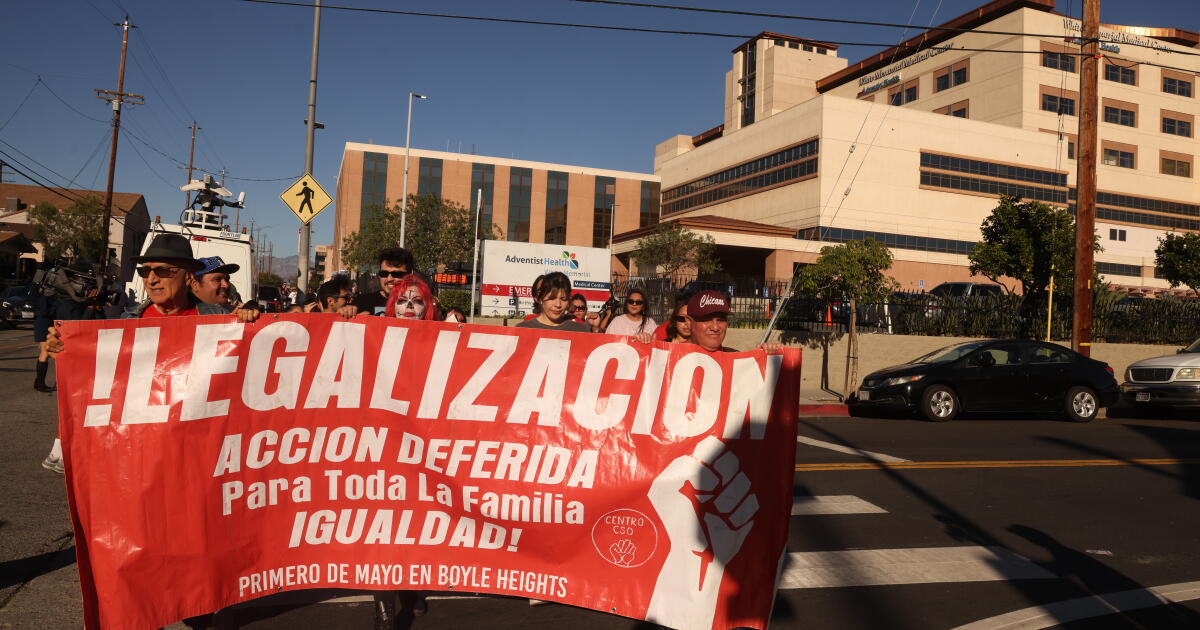
Two individuals were taken into custody by federal immigration officers late Friday evening during
Federal agents detain two people during protest at Boyle Heights hospital Two individuals were taken into custody by...