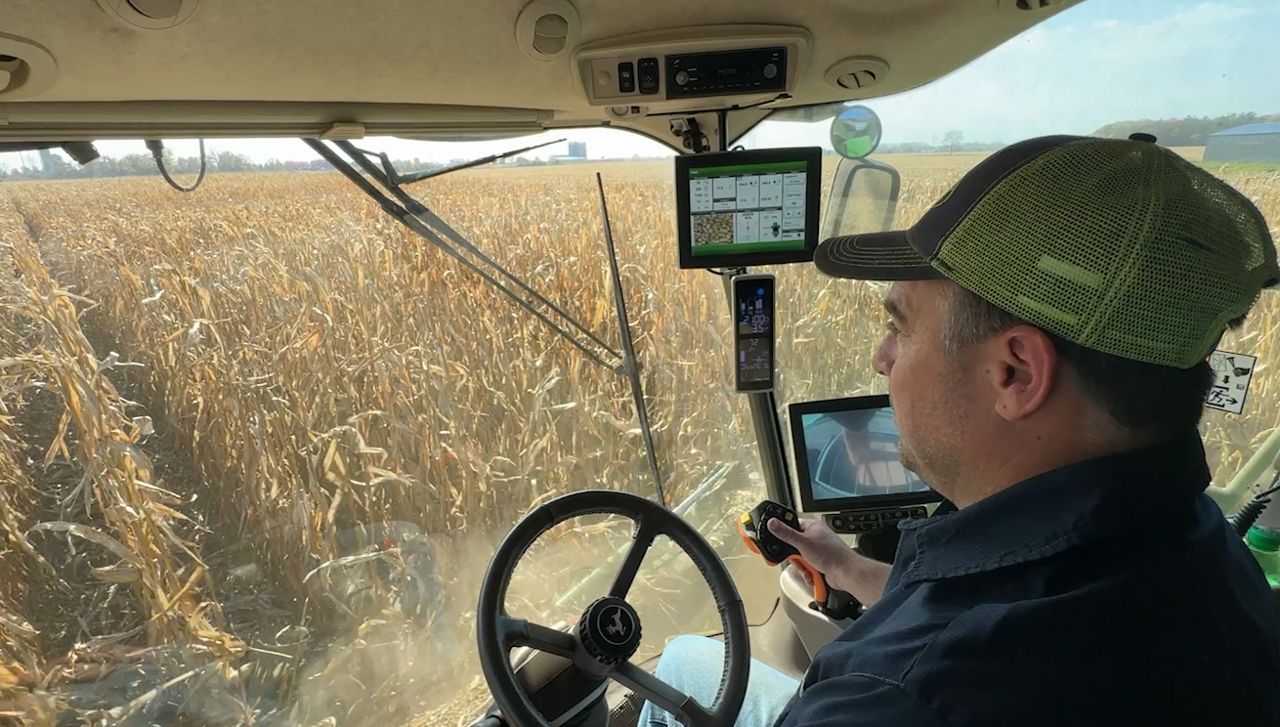
Wisconsin harvests face a split reality
“Yields are phenomenal so far,” said Jim Theunis of Tinedale Farms in Wrightstown, according to a report from Spectrum News.
As Wisconsin farmers enter the final weeks of the 2026 harvest, the state is grappling with a stark geographic divide. While some regions report high yields and early progress, others face drought and low crop volumes.
The season has been defined by these extremes. In northwest Wisconsin, exceptional drought conditions have directly impacted both crop yields and the quality of available pasture.
Northeast yields offset northern losses
In northeast Wisconsin, the outlook remains largely positive for many producers. Jim Theunis, a dairy farmer at Tinedale Farms, noted that his operation is currently running about two weeks ahead of the typical harvest schedule.
The drier conditions in certain areas may actually provide a silver lining for corn producers by lowering moisture levels. Theunis explained that if Mother Nature can dry the corn down to a target of 17%, it will help reduce the significant costs associated with mechanical drying.
Reducing these drying costs is vital as farmers struggle with the rising prices of essential inputs, including diesel and fertilizer.
However, the success in the northeast does not tell the whole story for the state. In northern Door County, the lack of rain has led to substantial setbacks for local growers.
Comparing regional crop performance
| Crop Type | Previous Year Performance | Current 2026 Performance | Primary Cause |
|---|---|---|---|
| Corn | 180 bushels | Approximately 80 bushels | Lack of rainfall |
| Soybeans | 50 bushels | Approximately 20 bushels | Lack of rainfall |
Mark Feuerstein, an agronomist with Rio Creek Feed Mill in Kewaunee County, observed these disparities firsthand. He noted that many farmers are facing “a lot of disappointments” due to the lack of precipitation in northern areas.
The squeeze on farm profitability
Even for those seeing healthy yields, the economics of the 2026 season remain precarious. While grain prices have seen some improvement compared to last year, the cost of production continues to outpace the revenue generated by sales.
“What’s hurting everybody is the price of grain,” Feuerstein told Spectrum News. He added that reaching a breakeven point is difficult when weighed against current input costs.
This financial pressure affects the entire agricultural supply chain, from individual family farms to the broader regional economy that relies on stable commodity prices and consistent production levels.
Preparing for the 2027 season
As the current harvest winds down, the focus for Wisconsin producers is already shifting toward the challenges of next year. The volatility of the weather and the unpredictability of market prices are forcing a move toward greater operational efficiency.
Farmers are learning to manage the inherent risks of a climate that can swing from drought to abundance within a single season.
“We just got to roll with it,” Theunis said. “We know everything is going to go up, so we’ve got to become more efficient with it and do what we’ve got to do.”
Related reading

NED Hurford Youth Fellows Program 2027: Applications Open for Emerging Leaders
The National Endowment for Democracy (NED) is accepting applications for the 2027 Hurford Youth Fellows Program, a funded...

Vivian Iwuchukwu Leads Florida Past Chattanooga 64-58
Vivian Iwuchukwu scored 19 points to lead the Florida women's basketball team to a 64-58 win over Chattanooga...

Democrats Secure Trifecta in Pennsylvania 2026 Midterms
Democrats secure Pennsylvania trifecta Governor Josh Shapiro has secured a decisive victory in the 2026 midterm elections, marking...
Community Science Expands Oklahoma Water Quality Monitoring
Community members across Oklahoma have begun conducting independent water testing to address significant deficiencies in the state's environmental...