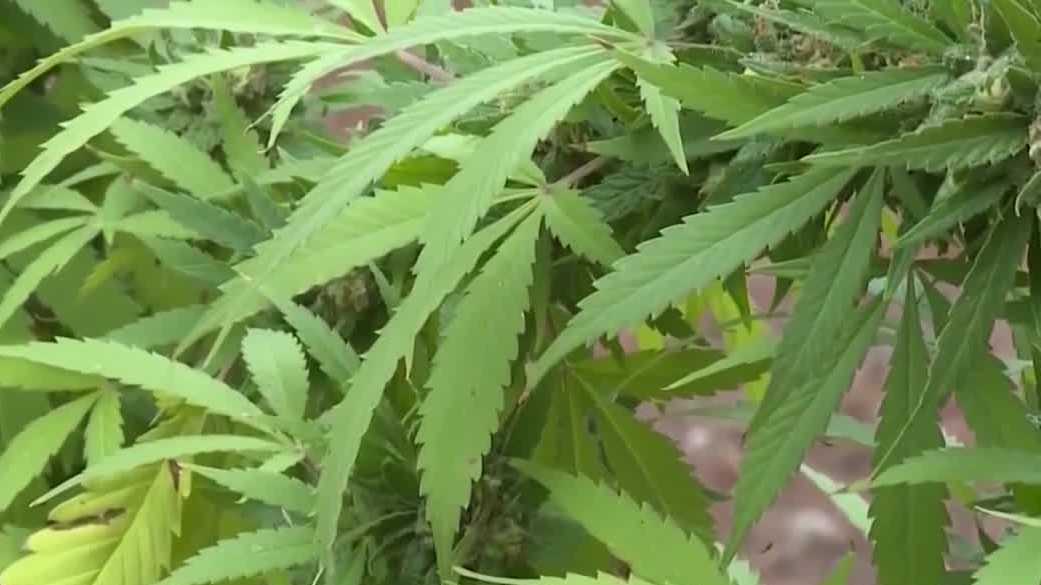
A shift in the Wisconsin legislature is setting the stage for what could be the state's most consequential policy change in decades: the legalization of recreational marijuana. Following years of legislative gridlock, Democratic lawmakers are positioning the issue as a top priority for the upcoming session beginning January 4, arguing that the state can no longer afford to remain an island of prohibition in a region where cannabis is increasingly normalized.
State Sen. Chris Larson of Milwaukee noted that Wisconsin is effectively hemorrhaging tax revenue to neighboring states that have already established functioning legal markets. “Most of the country has figured it out, and we are just giving away $40 million across the border for bad policy,” Larson said. The argument is simple: by maintaining a strict prohibition, Wisconsin is not stopping consumption, but rather ensuring that the economic benefits—and the associated tax dollars—flow elsewhere.
Lawmakers Propose Regulated Marketplace for Hemp Industry
The proposed legislative framework, introduced earlier this year by Rep. Darrin Madison, seeks to move beyond a simple decriminalization model. Instead, the proposal envisions a structured, regulated marketplace. This includes the creation of a Division of Cannabis Regulation within the Department of Agriculture, Trade and Consumer Protection, which would oversee everything from production and processing to transportation and testing.
For the state’s hemp industry, which estimates suggest is a $700 million sector, the legislation is viewed as a potential lifeline. With federal policy tightening around consumable hemp products, businesses like Wauwatosa-based Kelly’s Greens are looking to legalization as a way to transition into the broader cannabis market. Owner Erin Kelly emphasized that securing a legal path for these businesses is essential, noting that while full legalization takes time to implement, protecting the existing hemp infrastructure must be a primary concern to ensure that local operators—rather than out-of-state giants—remain the backbone of the industry.

However, the transition is not without its critics or complexities. Republican leadership in the Assembly has historically blocked such efforts, with Assembly Speaker Robin Vos previously characterizing marijuana as a dangerous drug and expressing skepticism toward broad legalization. While some Senate Republicans have shown interest in a narrower medical-only approach, the divide between the chambers remains a significant hurdle to any comprehensive reform.
Lessons from the Illinois Experience
Wisconsin lawmakers are actively looking toward Illinois as a case study, though they are also applying a critical eye to their neighbor’s successes and shortcomings. Illinois state Rep. Kelly Cassidy, who played a central role in her state’s legalization efforts, offered a cautionary note regarding taxation. “I would not have the highest taxes in the country, because until you have a mature market, you’re not really going to cut into that street market,” Cassidy told WISN.
Wisconsin state Sen. Mark Spreitzer (D) of Beloit said he knows that being an island of prohibition surrounded by legalization is not good for Wisconsin.
Beyond the fiscal debate, the proposed legislation includes provisions for social equity, specifically an amnesty program that would allow for the expungement of records for individuals previously convicted of low-level marijuana possession. This aligns with a broader push by advocates to address the long-term consequences of prohibition-era criminal penalties.
Worth a look
South Dakota voter turnout hits historic low in 2026 election
A Historic Lull: South Dakota Voter Plummets to 49% as Tax Shifts Fail South Dakota’s general election on...

Democrat Nancy Lacore Wins SC 1st District Congressional Race After Honeycutt Concedes
Democrat Nancy Lacore wins South Carolina 1st District after Honeycutt concession Mount Pleasant, S.C. — The Lowcountry's political...

IUP Softball Offers Winter Camps for Young Players
Indiana University of Pennsylvania (IUP) softball is looking to capitalize on the momentum of a landmark season by...
Anthony Mariorenzi wins first full term on North Providence School Committee
Anthony Mariorenzi secures District 2 seat in North Providence School Committee election Democrat Anthony Mariorenzi has won his...