Voters prohibit governor from using partial veto for taxes
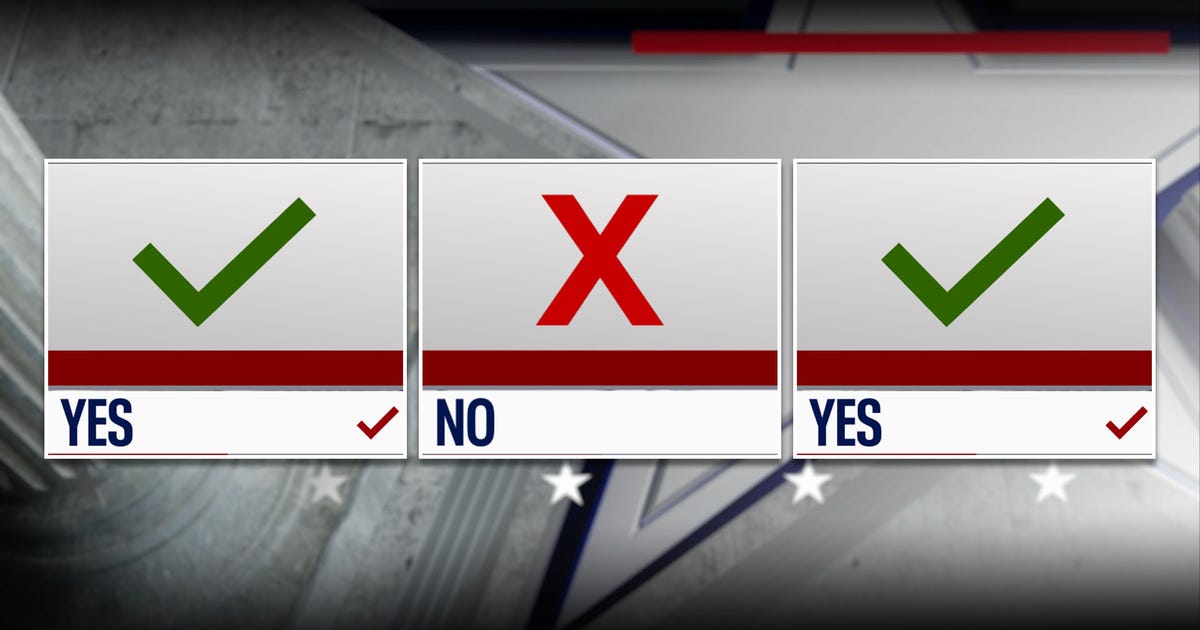
Wisconsin voters reached a definitive verdict on the scope of state government Tuesday, approving two constitutional amendments while rejecting a third. Voters approved a constitutional amendment to prohibit the governor from using the partial veto to create or increase any tax or fee. This measure was a direct response to a 2023 budget maneuver by Governor Tony Evers, who utilized his veto pen to strike out a “20” and a hyphen from a date, effectively extending school funding increases for 400 years. While the Wisconsin Supreme Court previously upheld the legality of that action, the legislature’s successful push for this amendment ensures that such creative use of the veto is now constitutionally barred.
Constitutional amendment prohibits discrimination in public sectors
In a move described by proponents as an “equality amendment,” Wisconsin voters also approved a measure to prohibit governmental entities from discriminating against or granting preferential treatment to individuals based on race, sex, color, ethnicity, or national origin. This change applies to public employment, public education, and public contracting.
State Representative David Murphy, a vocal supporter of the proposal, framed the amendment as a mechanism to restore fairness to the state’s administrative processes. “I call this constitutional amendment the equality amendment, because what it does is it restores merit, fairness and equality to government practices in Wisconsin all the way from the state capital all the way down to our school boards and everything in between,” Murphy said in January.
The amendment faced opposition from those who argued it would remove tools intended to support underrepresented groups. During the legislative debate, State Representative Russell Goodwin expressed concern that the change would diminish opportunities. “It’s going to be unfortunate, where they would have had an opportunity to get ahead. This is one more not, to knock people down,” Goodwin stated. “Whereas this was to benefit certain people, to help them in situations where they wouldn’t get this opportunity in some instances.”
Emergency church closures rejected
While voters moved to constrain executive fiscal power and alter public hiring practices, they rejected the proposed amendment aimed at religious liberty. The ballot measure would have prohibited the state or local governments from ordering the closure of or forbidding gatherings in places of worship during a state of emergency, including public health emergencies. The debate over this question was rooted in the controversies surrounding COVID-19 pandemic lockdowns, which sparked the debate. By rejecting this proposal, Wisconsin voters have opted not to codify an absolute exemption for religious gatherings during state-declared emergencies. These amendments represent the culmination of a legislative process that required approval in two consecutive two-year sessions, a path that does not allow for a gubernatorial veto.
More on Wisconsin
Related reading
- Olympia Personal Injury & Wrongful Death Lawyers | Ron Meyers & Associates
- GOP Redistricting Efforts Backfire as Democrats Win Key Seats
- Three years of imprisonment were requested by prosecutor Rossella Salvati on Wednesday, November 4 (world-today-news.com)
- ICJ's Myanmar Judgment Nov. 19: Three Outcomes and What Each Would Order (daybreakwire.com)

Olympia Personal Injury & Wrongful Death Lawyers | Ron Meyers & Associates
Ron Meyers & Associates Addresses Catastrophic Injury Claims in Olympia For residents of Olympia, Washington, the aftermath of...
GOP Redistricting Efforts Backfire as Democrats Win Key Seats
The Redistricting Gamble That Cost the GOP Congress In a series of aggressive maneuvers that were intended to...
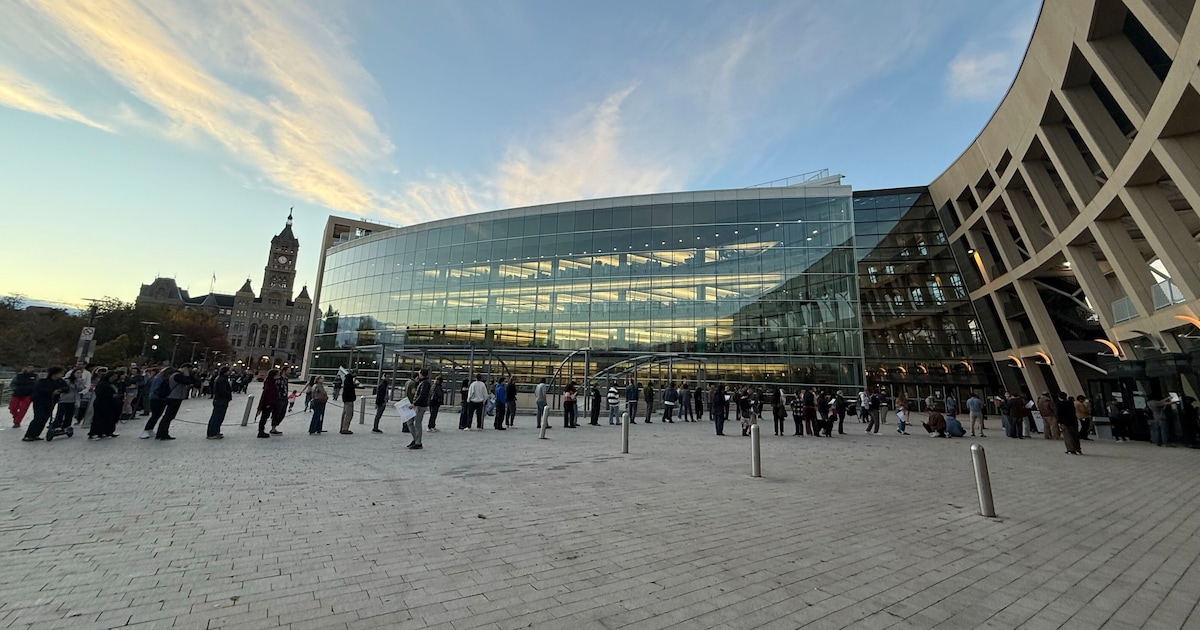
Salt Lake County Reports 65.1% Voter Turnout in 2026 Midterms
In the 2026 midterms, approximately 65.1% of registered voters in Salt Lake County cast ballots, according to figures...
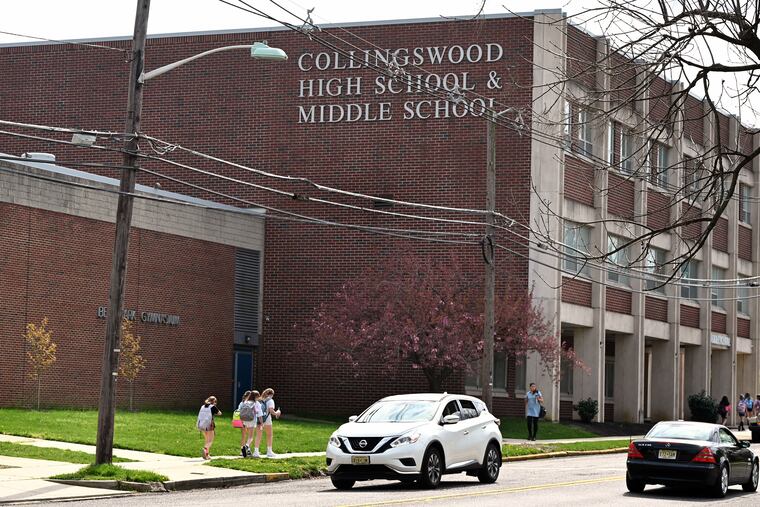
The Collingswood School District’s attempt to close a persistent structural budget deficit hit a
Collingswood Voters Reject $4.56 Million School Funding Bid The Collingswood School District’s attempt to close a persistent structural...