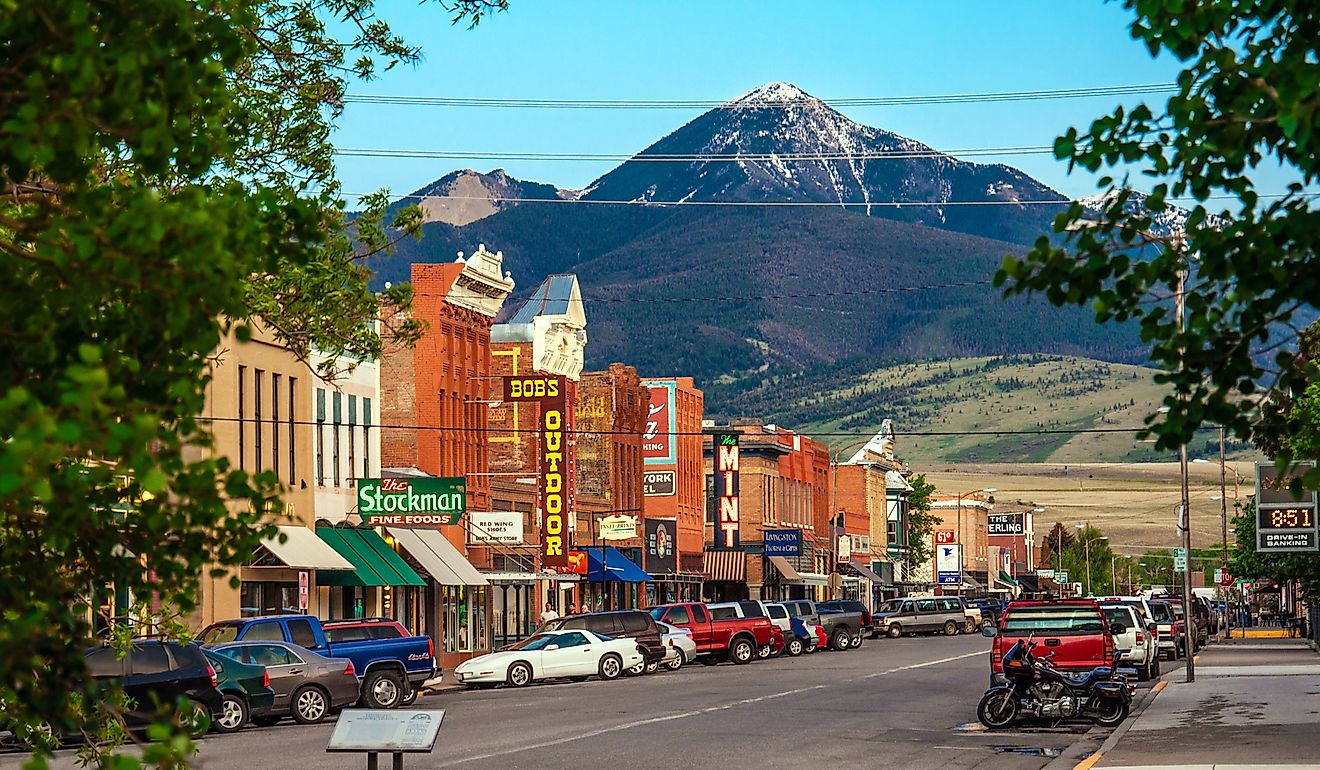
Montana’s Real Estate Shift: The 2026 Housing Landscape
For those looking to trade the high-density stress of urban centers for the rugged quiet of the Rocky Mountains, Montana’s housing market remains a study in contrasts. A new report from World Atlas identifies eight towns—Butte, Lewistown, Helena, Ennis, Livingston, Fishtail, Havre, and Laurel—that currently stand out for their blend of local culture, outdoor accessibility, and relative price stability. While the state average for home sales has climbed to approximately $513,000, these communities offer a range of entry points that suggest there is still room for diverse economic life in the Treasure State.
The decision to relocate is rarely just about the cost of entry. It is about the trade-off between the amenities of a state capital like Helena and the isolated, quiet charm of a town like Fishtail, which counts fewer than 90 residents. Understanding why these specific towns made the list requires looking at the intersection of local industry, geography, and the tangible cost of living that defines the 2026 landscape.
The Affordability Divide
When comparing median home sale prices, the disparity across Montana’s regions is stark. Havre, situated along the Hi-Line, offers the most accessible entry point among the group with a median price of roughly $200,000. This is significantly lower than the state average, providing a different reality for residents compared to the $484,500 median price found in the tiny, art-centric community of Fishtail.
| Town | Median Home Sale Price |
|---|---|
| Havre | $200,000 |
| Butte | $299,000 |
| Laurel | $335,000 |
| Lewistown | $395,000 |
| Ennis | $409,800 |
| Helena | $415,000 |
| Livingston | $438,700 |
| Fishtail | $484,500 |
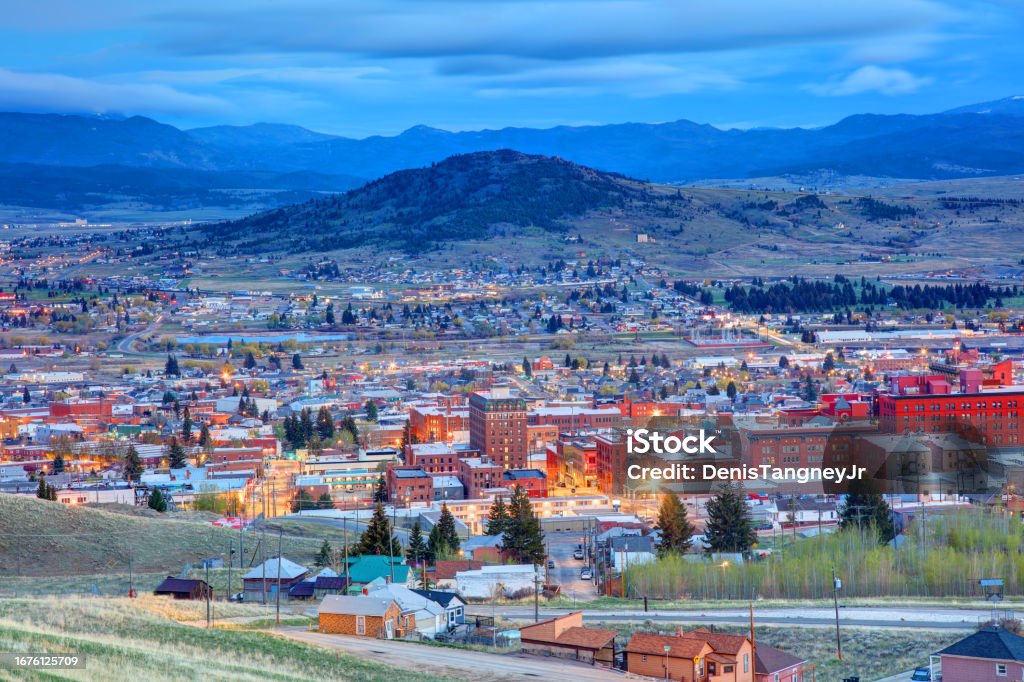
This data illustrates a clear split between the state’s industrial hubs and its more remote, specialized enclaves. In Butte, for instance, a population of nearly 35,500 supports a metro-adjacent lifestyle at a $299,000 price point, bolstered by its status as one of the largest National Historic Landmark Districts in the United States. The city’s ability to maintain these prices while offering proximity to Yellowstone and Glacier National Parks marks it as an outlier for those seeking both value and access.
Infrastructure and Economic Stakes
The “so what” for prospective residents lies in the infrastructure supporting these populations. In Lewistown, the economy is anchored by its role as a central hub with a population of 6,200, where the cost of living is tempered by access to natural resources like the spring-fed Big Spring Creek. Conversely, Helena’s status as the state capital brings a different set of economic drivers, including a more robust downtown economy centered around the Last Chance Gulch Walking Mall.
However, moving to these regions carries inherent economic risks. Small-town economies are often sensitive to shifts in tourism and local industry. While Livingston serves as a cultural hub with significant ties to the arts and proximity to Bozeman, its status as the windiest city in Montana is a practical reality that shapes its local lifestyle and indoor-focused social scene. Similarly, while Fishtail offers the unique cultural draw of the 10,000-acre Tippet Rise Art Center, its extremely limited housing inventory and small footprint mean that market fluctuations can be more pronounced than in larger cities.
The Reality of Remote Expansion
The appeal of these towns is often framed by a desire to “unlace your boots and unwind,” but the reality involves a commitment to smaller, often more isolated communities. For the worker looking to relocate, the proximity to larger airports—such as those serving Livingston via Bozeman and Billings—remains a critical factor for long-term feasibility.
Critics of this migration trend often point to the strain placed on local resources and the potential for rising costs to displace long-term residents. In towns like Ennis, where families have occupied the same land for five generations, the influx of new residents can change the social fabric of the community. Yet, the economic data provided by World Atlas suggests that for the time being, these eight locations are maintaining a balance between growth and the traditional, small-town identity that defined them for over a century.
Whether it is the historic mining roots of Butte or the rail-centric history of Livingston, these towns offer a glimpse into a version of American life that prioritizes local ownership and geographic connection over the rapid pace of the country’s major coastal metros. As of late 2026, the market in Montana continues to show that the trade-off for a “stress-free” life is often measured in the distance from a major city and the willingness to integrate into a tight-knit, localized economy.
Related reading
Marysville family searches for horse Cheyenne missing in Mount Adams Wilderness
For the Hoemann family in Marysville, Washington, the barn has felt significantly quieter since early October. A trail...

Virginia Morales Cedeño Obituary: A Legacy of Family and Passion
Virginia Morales Cedeño: A Life Defined by Family and Community Virginia Morales Cedeño, whose life spanned nearly a...

Phil Scott Victory Highlights Why Pre-Election Polls Failed
The 14-Point Discrepancy in Vermont’s Gubernatorial Race When the final ballots were tallied on Tuesday, the results in...

Senfronia Thompson Claims Enough Votes to Become Texas House Speaker
A Historic Shift in the Texas House State Rep. Senfronia Thompson, a fixture of the Texas Legislature since...