
The owners of WY Fresh Farm and Farmstand have decided to yield to the Cheyenne City Council’s annexation and rezoning plans, a move they say is necessary to sell their property and leave the city.
Co-owners David and Tommie Kniseley changed their long-standing opposition during a Monday meeting, stating that being part of the city would make the sale of their 8.61-acre property easier. As
The decision marks a bitter end to a multi-year struggle for the family, who purchased the land at 200 Walterscheid Blvd. in 2007 and opened their farmstand in 2022. On Saturday, the family announced via Facebook that the farmstand was “officially closed for good.”
A breakdown of the annexation battle
The tension between the Kniseleys and the local government peaked when the family submitted 143 questions to the city regarding how annexation would impact their agricultural operations. While the city provided answers on March 2, the family maintained that many details remained unclear or incomplete.
A scheduled vote on the property in March was delayed after a four‑hour discussion led the council to postpone the decision until November 9 to allow staff more time to refine city guidelines. That delay ended Monday with a vote for annexation and rezoning, following the owners’ request to proceed.

The emotional weight of the meeting was evident in the testimony provided by the owners. David Kniseley expressed anger toward the governing body and city staff, telling council members, “My intention tonight is that people give you hell for the way you treated us.”
“The farming way of life has no protections in city statutes. If we want to continue to farm, we will need to move.”
Tommie Kniseley echoed these sentiments, telling the council that “irreparable damage” had been done to their business throughout the forced annexation process. She argued that while the city might allow continued farming, it had stripped them of necessary legal protections.
The impact on local agriculture
The council’s decision to move forward with the annexation coincided with debates over updates to the city’s Unified Development Code (UDC). These amendments were intended to codify urban farm operations, including livestock regulations and electric fencing.
While some ordinances passed, others faced significant hurdles:
- Livestock and electric fencing: Passed.
- Agricultural regulations: Postponed for two weeks to allow for further review.
- Gravel parking: Failed due to concerns regarding drainage and accessibility.
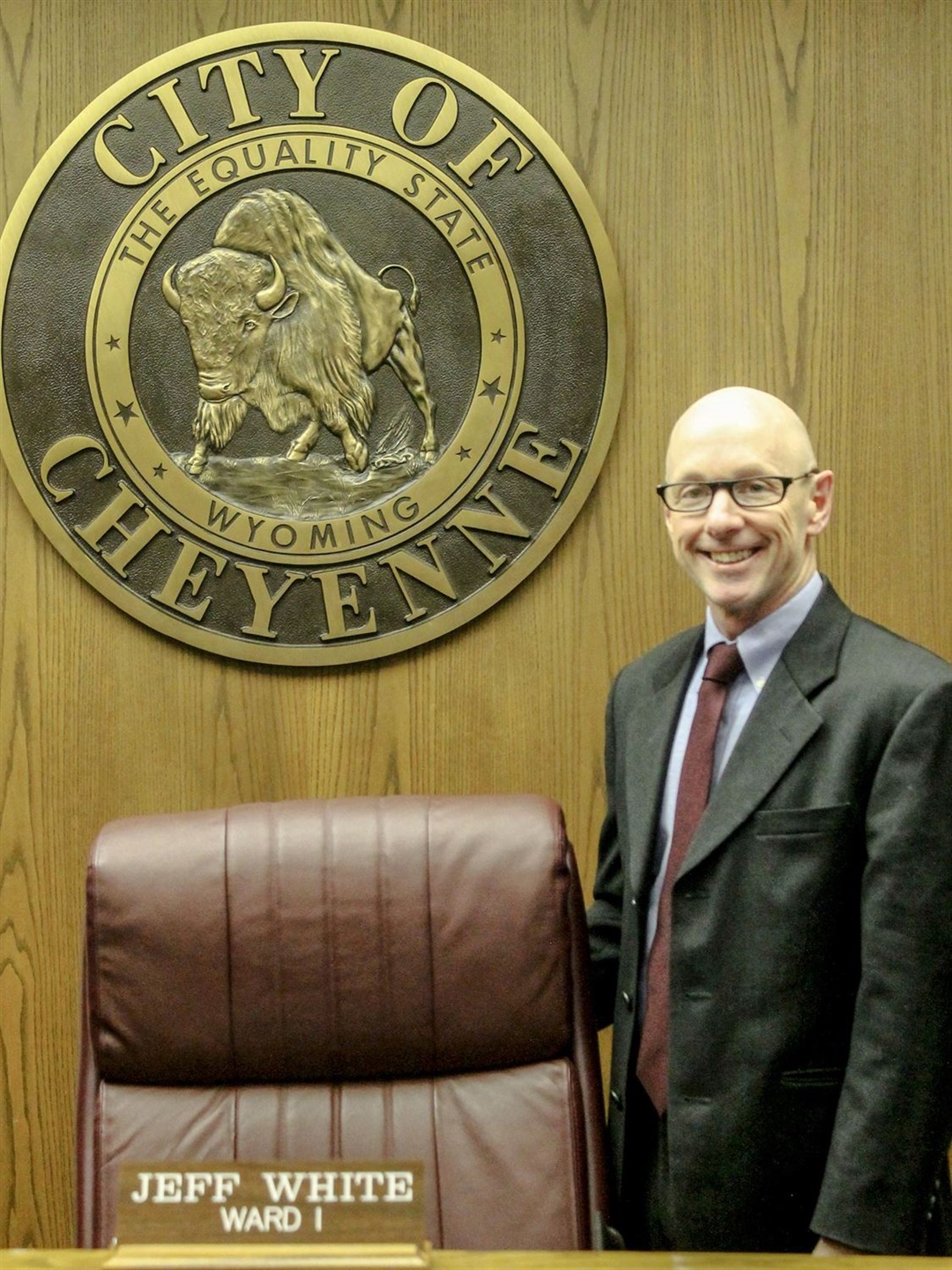
Councilman Jeff White noted that the agricultural regulations had not been updated in 20 to 25 years, expressing frustration that the process felt rushed. Meanwhile, the gravel parking ordinance was defeated by council members like Michelle Aldrich, who cited concerns about maintaining paved, accessible routes and preventing dirt runoff into Crow Creek and the city’s drainage systems.
The debate also highlighted a growing friction between urban expansion and the preservation of local agricultural businesses. Councilman Mark Moody, who had originally prepared to introduce a substitute to remove the WY Fresh property from the annexation group, criticized the council’s lack of flexibility.
“We hear about growth, being business-friendly,” Moody said. “But when a local agriculture business needs help, suddenly this flexibility disappears. This is not economic development, this is hypocrisy.” He warned that the council would be remembered for driving the farm out of town.
Councilman Tom Segrave addressed the atmosphere of the proceedings, noting that the council has faced disturbing threats on social media from community members. “Today there was a threat, ‘Let’s put them in the crosshairs.’ You know what? That’s beyond the pale,” Segrave said.
The annexation of the Kniseley property follows a pattern of systematic land acquisition by the city that has been ongoing since 2022.

Chargers Trade Linebacker Daiyan Henley to Denver Broncos
The Los Angeles Chargers have traded linebacker Daiyan Henley to the Denver Broncos in exchange for two draft...

Performance Manual Therapist – Department: Basketball Operations – Health & Performance
The Sacramento Kings are looking to expand their medical and performance staff with a new specialized role focused...

Leaders Applaud Governor Sanders’ Proposed Budget for Arkansas Education and Infrastructure
Arkansas leaders back Governor Sanders' proposed budget Governor Sarah Huckabee Sanders has unveiled a proposed 2027 state budget...

Cardinals Sign QB Joey Aguilar to Active Roster
The Arizona Cardinals are signing quarterback Joey Aguilar off the Jacksonville Jaguars' practice squad to their active roster,...