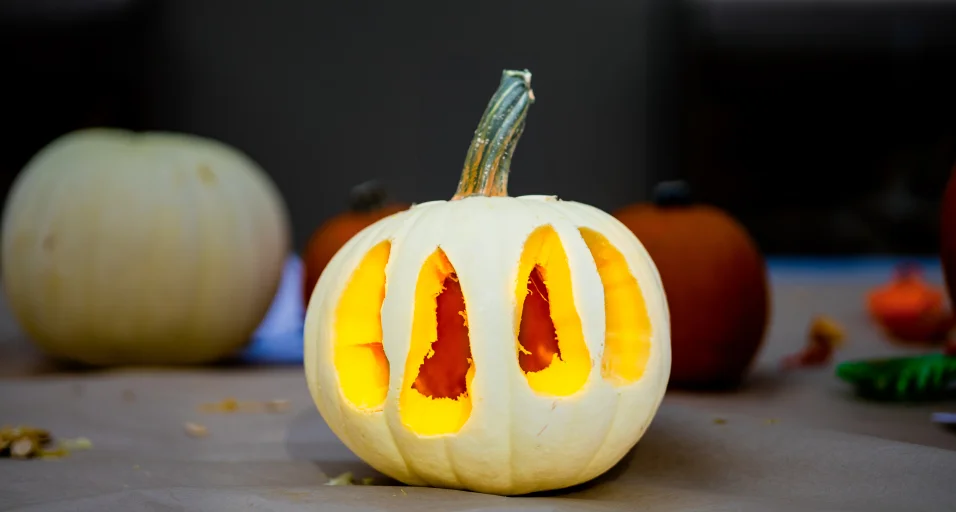
Wyoming wildlife face health risks from discarded Halloween pumpkins
As Halloween festivities conclude across the state, residents are being urged to secure their leftover pumpkins to prevent unintended harm to local wildlife, according to reports from Sheridan Media and the Wyoming Game and Fish Department (WGFD).
While a jack-o’-lantern might seem like a harmless seasonal snack, the Wyoming Game and Fish Department warns that these items can become a significant biological hazard for native species. The department is specifically advising the public to dispose of pumpkins in secure bins rather than leaving them outdoors where animals can access them.
The danger is not merely nutritional. The WGFD notes that discarded pumpkins often contain candle wax residue, which poses a direct threat to animals that consume them. Furthermore, these food sources can act as unintended attractants for scavengers and predators, including bears and raccoons, potentially altering natural behaviors and increasing human-wildlife conflict.
Biological consequences for mule deer
The impact on local ungulates is particularly concerning for biologists monitoring herd health. Mule deer, for instance, lack the physiological capability to properly digest pumpkin matter, which can lead to serious illness.
“This time of year the department gets many calls about sickly deer fawns, and much of this can be attributed to these deer eating foods that offer little nutritional value and having a difficult time digesting the unnatural food. This makes them susceptible to parasites and other diseases,” said Stan Harter, a WGFD wildlife biologist based in Lander.
This biological stress is compounded by the fact that these “unnatural” food sources provide almost no nutritional benefit to animals attempting to build fat reserves for the winter. Instead of sustaining them, the consumption of these items can weaken their immune systems, leaving them vulnerable to disease outbreaks during a critical seasonal transition.
Local ordinances and seasonal precautions
Beyond the biological risks, there is a legal dimension to how residents manage their holiday waste. The Wyoming Game and Fish Department points out that even if a resident does not intend to feed animals, leaving pumpkins out in the open may be classified as feeding wildlife under certain local ordinances. Because regulations vary by municipality, the department suggests that residents check with their specific city or county offices to review local laws regarding wildlife feeding.
To further mitigate risks during the transition into the holiday season, the WGFD has issued a broader set of recommendations for property owners and travelers to protect migrating species:

- Secure yard items: Pick up soccer nets, hammocks, and tomato cages, and ensure holiday lights are placed out of reach of animals.
- Manage pets: Keep pets on leashes or confined to prevent them from chasing wildlife.
- Maintain distance: Avoid approaching wildlife and allow them ample space to move naturally.
- Drive with caution: Slow down on roadways, particularly during the high-risk hours of dawn and dusk when migration activity is highest.
- Modify fencing: Where possible, make fences wildlife-friendly and leave gates open to facilitate easier movement for animals.
As the landscape shifts toward winter, the intersection of human holiday traditions and wildlife survival remains a delicate balance of community responsibility and biological necessity.
Worth a look

Democrats Projected to Take House Control by 21 Seats in 2026 Midterms
Utah’s 1st District shifts toward a Democratic stronghold “One day in the not too distant future, Republicans will...

Three $200,000 prizes remain in Texas Lucky 7 scratch-off game
Three $200,000 prizes remain in the Texas Lucky 7 scratch-off game Three of the four top prizes in...

West Ashley Retail Growth, SC Elections, and Bridge Closures
West Ashley prepares for retail expansion as Ben Sawyer Bridge closes tonight Drivers heading toward Sullivan's Island should...
Concord and Regional Partners Move to Level 1 Voluntary Water Conservation
Concord, Harrisburg, Kannapolis, and Landis implement voluntary water conservation The City of Concord, the Town of Harrisburg, the...