
The transition toward a new federal administration has brought a sharp, immediate conflict over the future of the American West.
The Department of the Interior's 2026-2030 strategic plan, unveiled this week, aims to reduce the federal land estate through sales to state, local, and tribal governments. The reaction from Wyoming’s political leadership was swift, unified, and largely skeptical of the plan’s viability and intent.
Gov.-elect Eric Barlow rejected the proposal in a statement to Cowboy State Daily, emphasizing that such a move is fundamentally out of step with the priorities of his constituents.
“The proposal to sell federal public lands outlined in the Department of the Interior’s new strategic plan is not what Wyoming wants regarding its federal lands,” Barlow said. He insisted that any alteration to the status of federal lands within the state’s borders must involve direct, close coordination with local authorities.
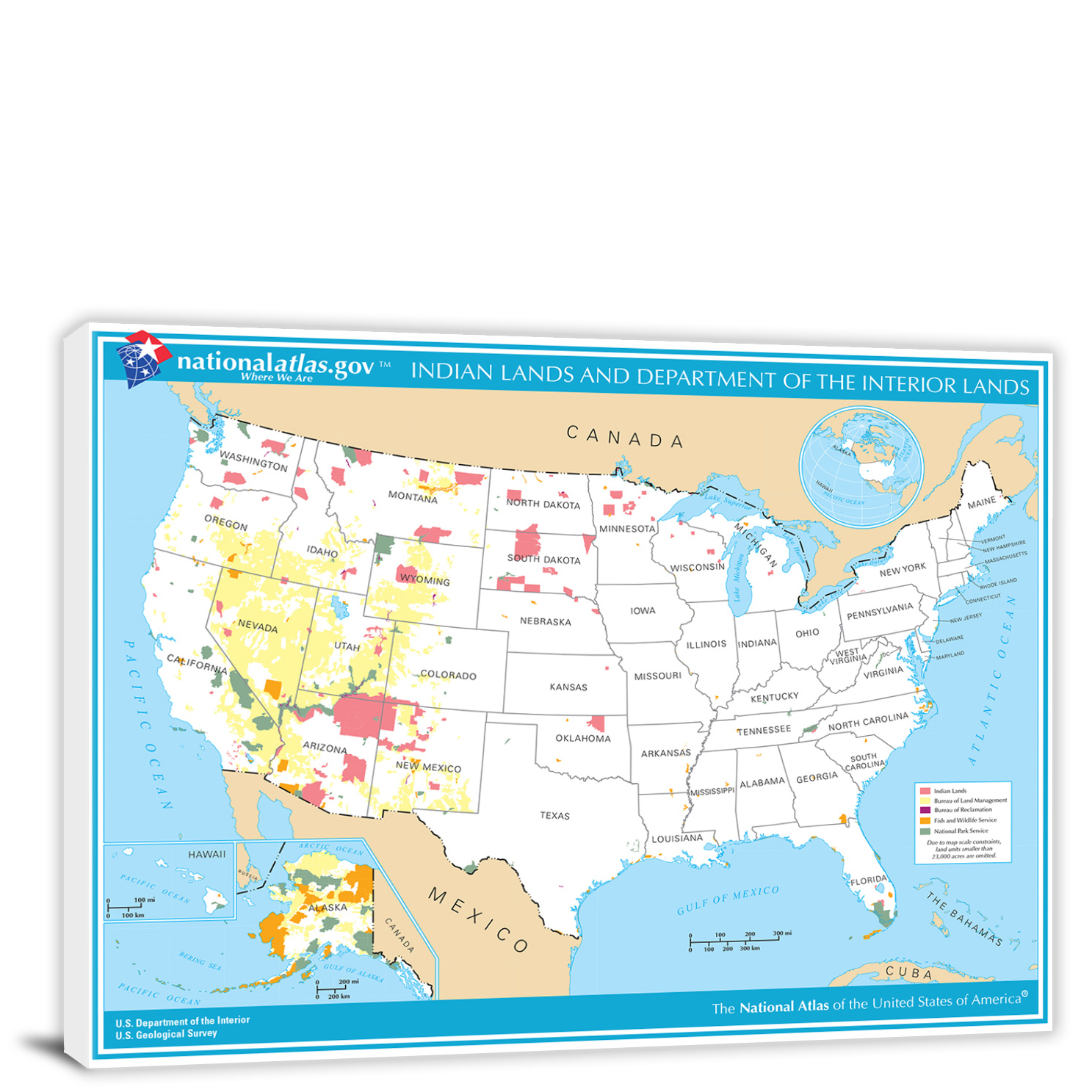
The stakes for the state are immense. The federal government currently holds roughly half of Wyoming’s surface estate, and the management of these acres dictates everything from local economic development to the ability of residents to access hunting and fishing grounds. As Barlow noted, his campaign was defined by constant feedback from hunters, anglers, and families who view these lands as essential to their way of life.
The Federal Rationale Versus Local Reality
The Department of the Interior justifies the proposed sales as a mechanism to streamline federal operations. According to the 2026-2030 land-management plan, the department intends to sell off portions of its 500 million acres to “focus its resources on primary federal responsibilities and nationally significant federal lands.” The plan argues that these sales would decrease the financial burden on taxpayers while simultaneously providing funds for conservation projects elsewhere.
However, this top-down approach faces complex politics in Washington. While the current administration is pushing for a shift in land ownership, the legislative window to enact such a policy is rapidly closing. Because Democrats secured control of both the Senate and the House in the recent general election, the Republican-led Congress will conclude its session on January 3, leaving little time for the controversial proposal to gain momentum.
Rob Wallace, a former assistant secretary of the Interior who served during the first Trump administration, said that the plan is unlikely to survive the transition to a Democratic-controlled Congress.
In an interview with Cowboy State Daily, Wallace pointed to the intense public backlash against similar proposals in recent years. He specifically referenced the 2025 plan by Senator Mike Lee to sell swaths of public lands in the West, which ignited immediate, cross-party opposition.
“I don’t know that I’ve ever seen so many people come together so fast to oppose a proposal,” said Wallace. “And I haven’t seen anything that suggests that disapproval of that idea has changed.”
Congressional Perspectives on Land Management
Wyoming’s federal delegation—Sens. John Barrasso and Cynthia Lummis, along with Rep. Harriet Hageman—has expressed a cautious approach, focusing on the legal requirements for land transfers. With Lummis retiring and Rep.-elect Chuck Gray preparing to take Hageman’s place, the conversation in Washington is shifting toward how existing laws like the Federal Land Policy Management Act (FLPMA) can be utilized.
Rep.-elect Chuck Gray maintained a firm stance throughout his campaign, telling Cowboy State Daily, “I have been very clear on this: I will continue to be focused on keeping public lands in public hands — period.”
Others, like Rep. Harriet Hageman, emphasized the need for the federal government to act as a “good neighbor” by prioritizing local input and the “multiple use and sustained yield” approach to land management. Senator Lummis pointed to the Recreation and Public Purposes Act, which already provides a pathway for the federal government to sell land to local entities for public use.
She expressed interest in working with Interior Secretary Doug Burgum to address long-standing issues, such as the “checkerboard” land formations that often leave public parcels trapped and inaccessible to the people who wish to use them.
The contrast with the previous administration’s approach is stark. While former Interior Secretary Deb Haaland’s plans focused heavily on renewable energy integration, such as wind farms, the current proposal prioritizes a broader spectrum of domestic energy, including oil, gas, and advanced nuclear technologies.
As the clock ticks toward the January transition, the debate remains centered on whether these lands will be opened for development, locked away in federal vaults, or transferred into the hands of the states that manage them daily.
Worth a look
- New Traffic Signals and Fiber Upgrades Coming to US 24 in Colorado Springs
- Jiandong Chen Sentenced to 6 ½ Years for $27 Million Fraud Scheme
- Israeli spy chief in D.C. as Netanyahu presses Trump to resume war (newsarchyuk.com)
- Toyota's Scion Kei Truck Is Limited to 25 MPH by a Federal Rule (daybreakwire.com)
New Traffic Signals and Fiber Upgrades Coming to US 24 in Colorado Springs
Construction is set to resume on a $1.89 million safety project on Wednesday, Nov. 18, bringing new traffic...
Jiandong Chen Sentenced to 6 ½ Years for $27 Million Fraud Scheme
Jiandong Chen, a 42-year-old Chinese national known as “Little Tiger,” was sentenced in federal court today to 6...

Arkansas Library Board Revises Proposed Rules on Sexually Explicit Materials
Following objections from parents and librarians on Friday that the guidelines could limit educational resources, the Arkansas State...

Suns Rumored to Have Interest in Dejounte Murray as He Seeks Trade
Dejounte Murray’s public frustration with his role in New Orleans has sparked immediate speculation about a potential move...