Alabama Secures 141 Federal Opportunity Zone Designations for 2027
Governor Kay Ivey announced on Friday that the U.S. Treasury Department and the Internal Revenue Service have officially approved Alabama’s Opportunity Zones 2.0 nominations. This federal green light clears the way for a fresh wave of tax-incentivized investment aimed at 141 specific census tracts across the state, with the new designations set to take effect on January 1, 2027.
The program, which spans 66 of Alabama’s counties, includes a mix of 65 rural and 76 non-rural tracts. By design, these zones are intended to lure long-term private capital into economically distressed communities. Under the current framework, these designations will remain in place for a 10-year period, providing a stable window for developers and business owners to deploy resources where they are needed most.
From Tax Cuts to Permanent Policy
The Opportunity Zones initiative traces its roots back to the Tax Cuts and Jobs Act of 2017, a congressional effort to spur private-sector investment in both urban and rural areas nationwide. While the original program established the concept, it was the Working Families Tax Cuts Act of 2025—signed by President Trump—that cemented the program’s permanence. This shift to “Version 2.0” is not merely a continuation; it represents an evolution in how the government oversees these investments.
U. S. Treasury approves all 91 Colorado Opportunity Zones https://t.co/ozHfSgqCJ6

According to the Governor’s office, the updated framework is built to prioritize transparency and accountability. The goal is to move beyond simple real estate development by encouraging investment in operating businesses, thereby fostering more direct job creation and measurable economic growth in high-need areas. The Alabama Department of Economic and Community Affairs (ADECA) managed the nomination process, gathering local recommendations from across the state before submitting the final list to federal authorities in September.
This updated version of the Opportunity Zones Program will provide greater possibility for private investment within 141 census tracts in Alabama, said Governor Ivey. My Administration has worked to promote and build economic growth in our great state, and this program is another tool available to continue that growth well into the future.
The Economic Stakes for Local Communities
For the residents and business owners in these 141 tracts, the stakes are tangible. By lowering the tax burden for investors who commit to long-term projects, the state hopes to revitalize areas that have historically struggled to attract traditional financing. ADECA Director Kenneth Boswell noted that the agency would continue to support the Governor’s economic growth strategy as these zones come online in the new year.
Critics of the Opportunity Zone model have long argued that such tax incentives run the risk of accelerating gentrification or subsidizing projects that would have occurred without government intervention. However, the 2.0 version attempts to address these concerns by strengthening reporting requirements related to community development outcomes. Whether these changes will result in more equitable growth remains the central question for policymakers and local leaders alike as the January 1, 2027, start date approaches.
To see how these designations land on the ground, the U.S. Treasury Department has provided an interactive national map that details the specific census tracts selected for Alabama. A full spreadsheet of the designated zones is also available for those tracking the specific geographic distribution of the program.
Keep reading

Juneau Paratransit Reliability Issues Impact Seniors and Residents With Disabilities
The Cost of Lower Bids: Juneau Seniors Face Transit Barriers For the residents of Juneau’s Pioneer Home, a...

U.S. Bancorp to Resume Share Buybacks and Expand Capital Markets via BTIG Acquisition
U.S. Bancorp, the Minneapolis-based banking giant, is preparing to resume share buybacks as its capital markets division gains...
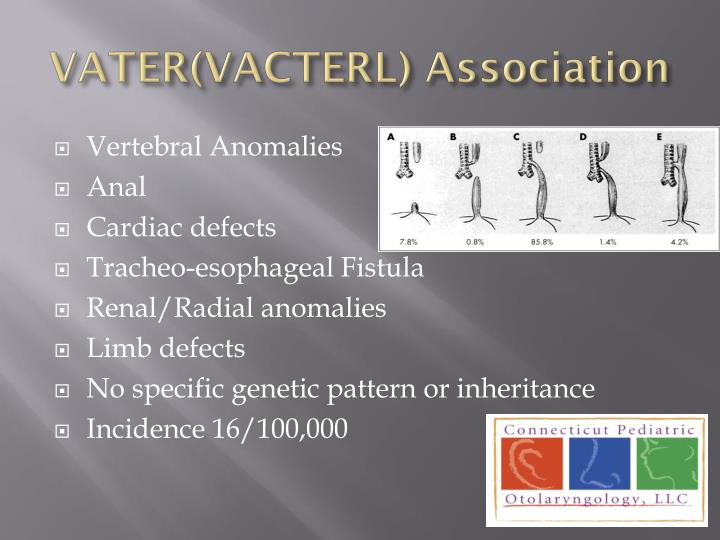
Seattle Children’s Hospital explains VATER and VACTERL association
Understanding the VATER Association at Seattle Children’s Hospital For families navigating a new diagnosis of VATER—or the more...

Vermont Arts Council Awards Over $300,000 for Cultural Facility Improvements
Vermont Arts Groups Secure $307,322 for Facility Upgrades For many of Vermont’s cultural institutions, the line between fostering...