
U.S. Bancorp, the Minneapolis-based banking giant, is preparing to resume share buybacks as its capital markets division gains traction following the acquisition of BTIG. Executives confirmed the shift in strategy during a recent industry conference, signaling that the bank has moved past the temporary pause in repurchases that characterized the previous quarter. The decision follows a period of heavy growth in risk-weighted assets and the integration of a significant Amazon small-business credit card portfolio, which had previously necessitated a conservative approach to capital management.
The Bottom Line:
- U.S. Bancorp plans to restart share repurchases as it approaches its target capital levels under Category II regulatory requirements.
- The bank aims for a payout ratio of 70%–75% of total capital through a combination of dividends and share buybacks once targets are met.
- The BTIG acquisition has bolstered the bank’s capital markets fees, which now account for 8% of overall earnings, with a stated goal of exceeding 10%.
Capital Markets Expansion Through BTIG Acquisition
The acquisition of BTIG, which officially closed on June 1, 2026, serves as the primary engine for U.S. Bancorp’s current growth strategy in investment banking and equities. According to Stephen Philipson, vice chair and head of wealth, corporate, commercial, and institutional banking, the deal provided capabilities that the bank could not have developed organically. The combined operation now generates approximately $2.5 billion in annual fees, with fixed-income services contributing roughly $1.6 billion of that total.
U. S. BANCORP $USB — RECORD REVENUE, EPS UP 22%. BUT CAN THE BTIG DEAL DELIVER LASTING OPERATING LEVERAGE? U. S. Bancorp delivered strong Q2 2026 results, with higher loan balances, expanding margins and growing fee income. But the BTIG acquisition introduces an important question… pic.twitter.com/40UDWxHCM2
The integration has already yielded measurable cross-selling success. U.S. Bank teams have initiated over 220 referrals to BTIG, while BTIG teams have responded with more than 130 referrals back to the bank. Philipson noted that three of BTIG’s highest revenue days in history occurred in the months immediately following the deal’s closure, driven largely by equity issuance and at-the-market programs. The bank also reported that a legacy BTIG media client, referred for acquisition financing, is projected to add $12 million in incremental revenue this year alone.
Regulatory Thresholds and Capital Management
Chief Financial Officer John Stern highlighted that the bank is nearing the $700 billion asset threshold, a milestone that will trigger Category II regulatory status. Under current projections, U.S. Bancorp expects to reach this level in the first quarter, with the formal transition to Category II status likely occurring in the third quarter of 2027. Despite the impending regulatory shift, Stern emphasized that the bank’s growth strategy—focused on interest-rate derivatives, foreign exchange, and repurchase agreements—does not require a material expansion of the balance sheet.
“The bank’s ability to maintain positive operating leverage while integrating a specialized firm like BTIG suggests a disciplined approach to capital allocation. Investors should look closely at how the firm manages its risk-weighted asset density as it hits the $700 billion mark, as this will dictate the sustainability of their 75% capital return target,” noted a senior analyst monitoring regional bank capital structures.
Impact on the Retail and Institutional Landscape
For the average American, these boardroom maneuvers are felt through the stability and product offerings of their local banking institutions. As U.S. Bancorp deepens its footprint in institutional markets and capitalizes on its credit card portfolios, the bank maintains its commitment to a broad range of consumer services, from digital banking to mortgages. The resumption of buybacks is a signal to shareholders that management views the bank’s current liquidity and capital buffer as sufficient to support both aggressive growth and investor payouts.
However, the broader market sentiment remains cautious regarding the “Category II” transition. While the bank has dismissed the likelihood of being labeled a global systemically important bank (G-SIB) in the near term, the increased regulatory scrutiny associated with crossing the $700 billion asset threshold will likely necessitate higher compliance costs. The bank’s ability to double its current 1.6% share of the $150 billion addressable capital markets market will be the ultimate test of whether the BTIG acquisition delivers long-term shareholder value or merely a short-term revenue boost.
The market is currently reacting to stable interest rates, which have provided the necessary breathing room for the bank to pivot back to share repurchases. October performance in fixed income and derivatives provided a strong start to the fourth quarter, though executives cautioned that single-month performance is not an indicator of quarterly results. With the bank’s focus on long-term growth in equity swaps and institutional services, the coming quarters will clarify whether the firm can successfully scale its capital markets business without compromising its operating margins.
Disclaimer: The information provided in this article is for educational and market analysis purposes only and does not constitute financial, investment, or legal advice. Always consult with a certified financial professional before making investment decisions.
Keep reading

Blue Compass RV Acquires Cheyenne Camping Center in Iowa
Blue Compass RV Expands into Quad Cities Blue Compass RV has acquired Cheyenne Camping Center, a family-owned dealership...

Florida Defies National Blue Wave to Protect Conservative Principles
Florida’s Conservative Pivot Amid a National Blue Tsunami As the dust settles from the November 3, 2026, general...
Pinball Castle Brings Retro Gaming Resurgence to Berkeley Springs
From Server Racks to Pinball Cabinets in Berkeley Springs In the quiet Appalachian town of Berkeley Springs, West...
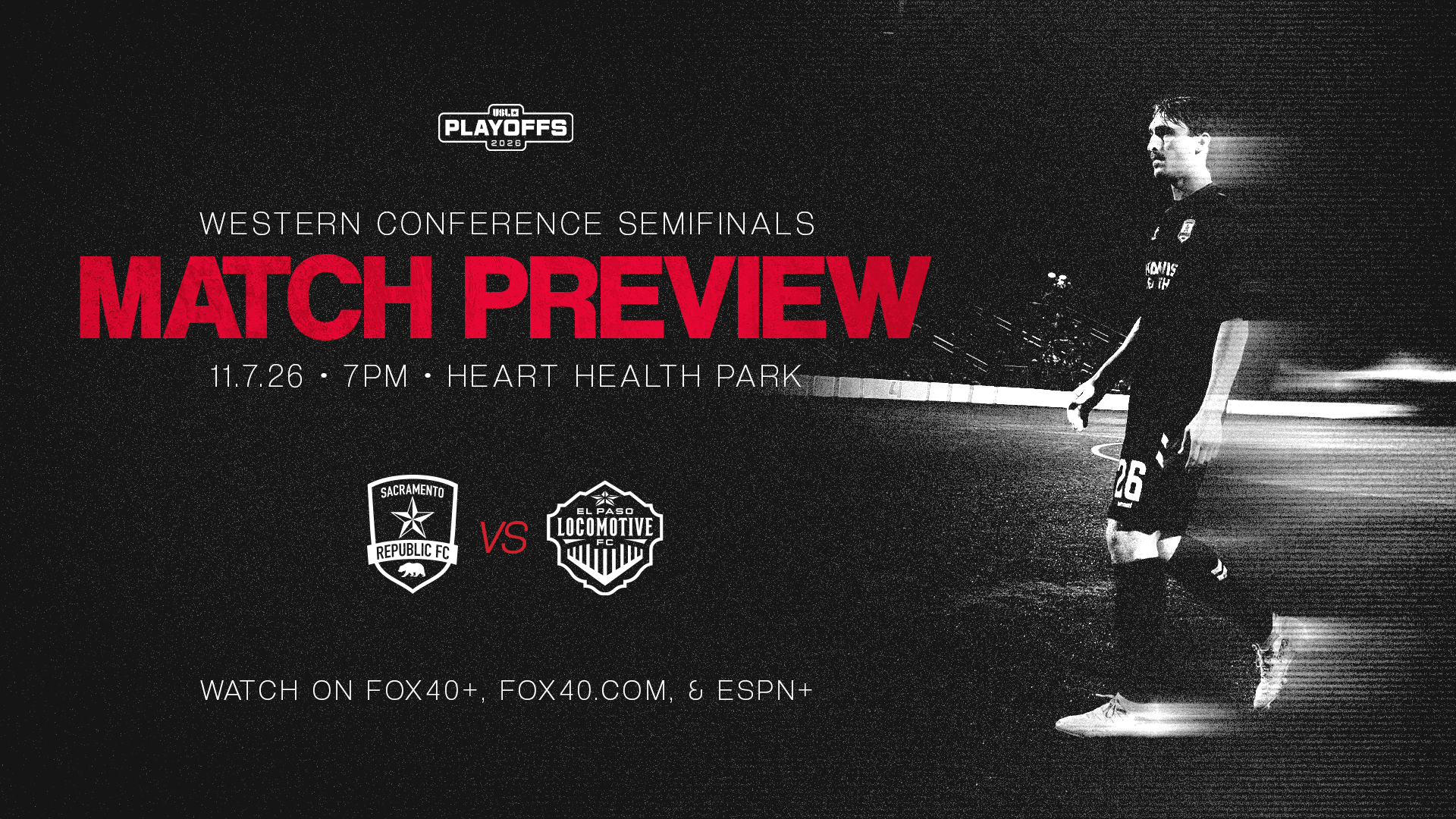
Sacramento Republic FC vs. El Paso Locomotive FC: USL Championship Conference Semifinals Preview
A High-Stakes Return to the Western Conference Semifinals Sacramento Republic FC heads into a pivotal Western Conference Semifinal...