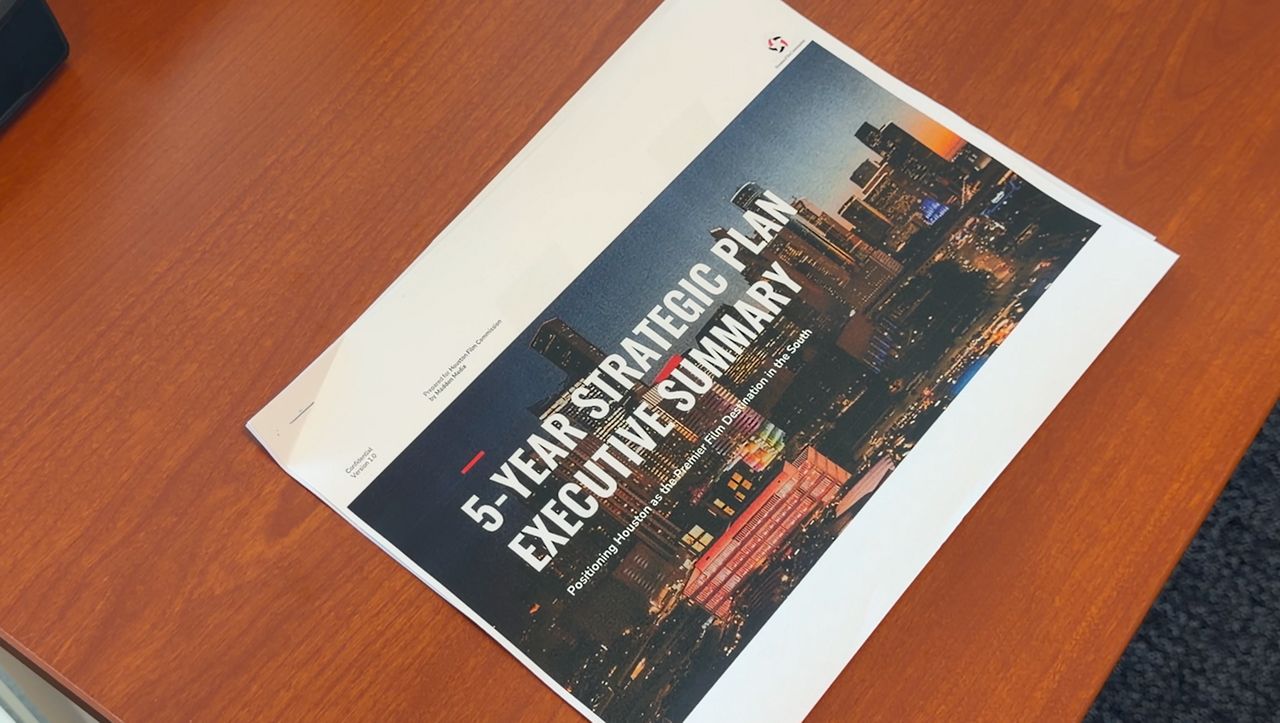
Houston’s Five-Year Push to Become a Texas Film Hub
Houston is betting big on the silver screen. As of November 2026, the city’s tourism and convention agency, Houston First, has formalized a five-year strategic plan aimed at transforming the city into the premier film capital of Texas by 2030. The objective is clear: shift the state’s creative center of gravity by leveraging a potent combination of state-level tax relief and a new, targeted municipal incentive program.
The strategy arrives as Houston attempts to gain ground on established production markets like Austin and Dallas. While Austin has long held a reputation as a hub for independent and creative media, and Dallas has managed film incentives on a case-by-case basis, Houston is now positioning itself as a high-volume, cost-effective alternative for major television and feature film productions.
The economic engine driving this ambition is anchored by Texas Senate Bill 22, which took effect in September 2025. This legislation significantly bolstered the state’s film incentive program, allowing qualifying productions to receive up to 31% back on eligible expenditures. According to reporting by Spectrum News, this state-level support is being paired with a localized Houston incentive—a 10% rebate on qualifying expenses for local cast, crew, and vendors, capped at $100,000 per project.

If you could make the same movie in Houston for half of what you would have spent in Atlanta, it’s really a no-brainer, right?
— Michelle Mower, Houston producer
Mower, who has been instrumental in bringing major projects like a recent Tyler Perry Studios film to the city, argues that the city’s industrial diversity—spanning the medical, space, and energy sectors—needs a dedicated cultural counterpart. The goal, according to those leading the charge, is to build a “film culture” that sustains consistent employment rather than relying on one-off production cycles.
The Economic Stakes of Localized Production
The financial incentives are not merely for show; they are designed to capture a larger share of the multi-billion dollar film industry. Houston First reports that seven productions have already utilized the city’s incentive program, accounting for more than $60 million in local economic impact. Proponents suggest that with the right infrastructure, this industry could eventually contribute $1 billion to the regional economy.
For the local workforce, the stakes involve more than just temporary production jobs. Alfred Cervantes, director of the Houston Film Commission, envisions a future where the volume of work justifies the construction of a permanent, dedicated studio facility. The current strategic plan includes aggressive marketing campaigns targeting producers in Los Angeles and New York, alongside expanded training programs for local workers looking to transition into film and television careers.
Competitive Hurdles and Industry Reality
While the ambition is high, the path to becoming a film capital is not without friction. Critics and fiscal conservatives often point to the inherent risks of government-backed incentives, questioning whether tax rebates offer a sufficient return on investment when compared to other municipal priorities. Furthermore, competing cities are not standing still. Austin, while currently offering less than 3% back on qualifying local wages, maintains a deep-rooted infrastructure and a long-standing reputation that is difficult to replicate overnight.
The “so what?” for the average Houstonian is the potential for a more diversified local economy. If the strategy succeeds, it creates a pipeline for skilled labor—electricians, carpenters, sound engineers, and creative talent—that remains in the city rather than migrating to coastal hubs. However, the success of this transition depends on the city’s ability to scale its training programs to meet the demands of major productions that expect high-level technical support on demand.
By 2030, Houston First aims to double the annual count of major film and television productions filmed within city limits. Whether the combination of state-backed rebates and local caps is enough to lure big-budget studios away from established markets remains the primary test for the commission. For now, the city is betting that the combination of lower production costs and a new, aggressive marketing stance will be enough to turn Houston into the next major player in the American film landscape.
Worth a look

PA Attorney General Sues JC Home & Construction for Consumer Violations
Pennsylvania Attorney General Sues JC Home & Construction Management Attorney General Dave Sunday announced a lawsuit on November...

Oklahoma School Report Cards Show Low Academic Achievement Scores
Oklahoma’s Academic Report Card Reveals Deep Stagnation Oklahoma’s public school system finds itself at a difficult crossroads as...

North Dakota and Minnesota probate limits depend on estate value
Probate becomes a legal requirement in North Dakota and Minnesota when a deceased person leaves behind real estate...
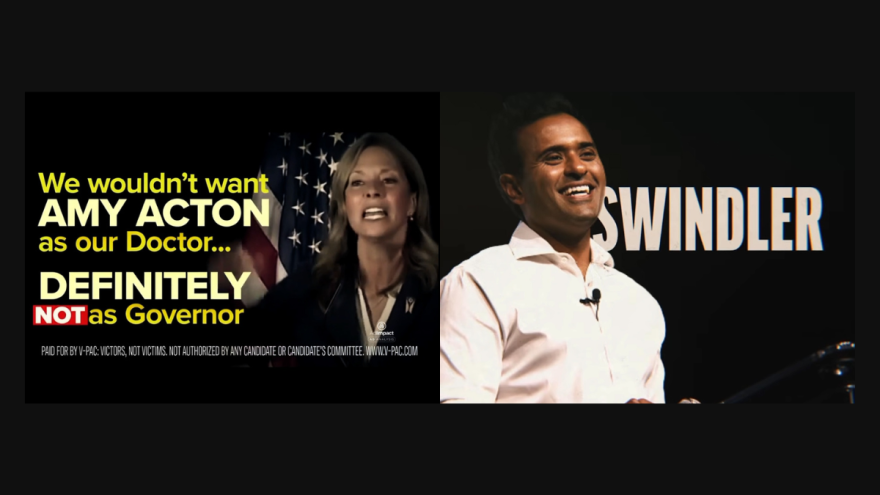
Vivek Ramaswamy Faces Backlash Over Amy Acton Attack Ad
The Political Fallout of the Ramaswamy Ad Campaign In the final stretch of the 2026 Ohio gubernatorial race,...