A Bridgeport Confronts Reality: The $230,000 Question of Urban Homeownership
In the quiet corners of Bridgeport, Connecticut, a new listing for a two-bedroom apartment at 2370 North Avenue #10B has quietly hit the market, priced at $230,000. On the surface, it’s just another entry in the sprawling digital catalog of real estate.
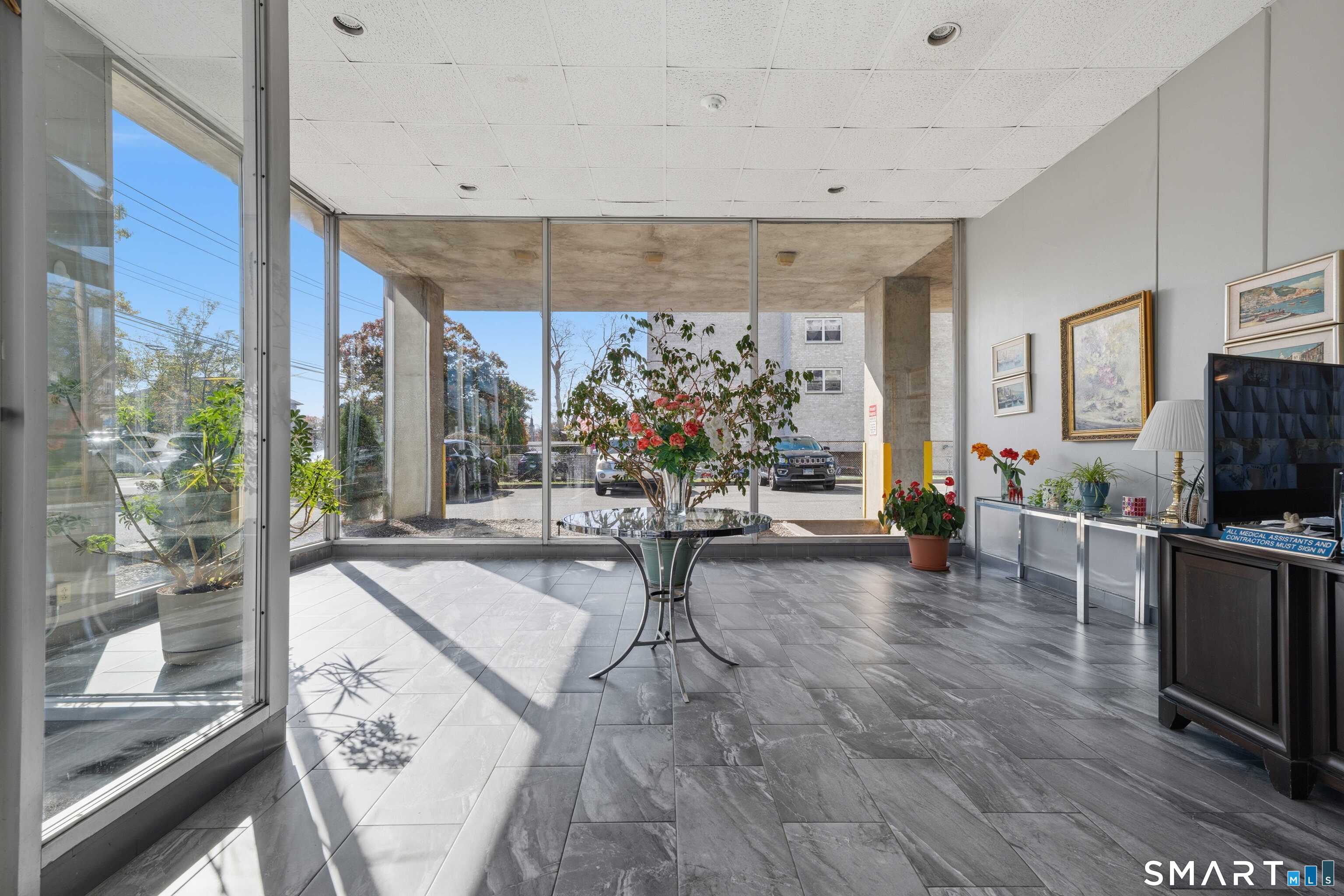
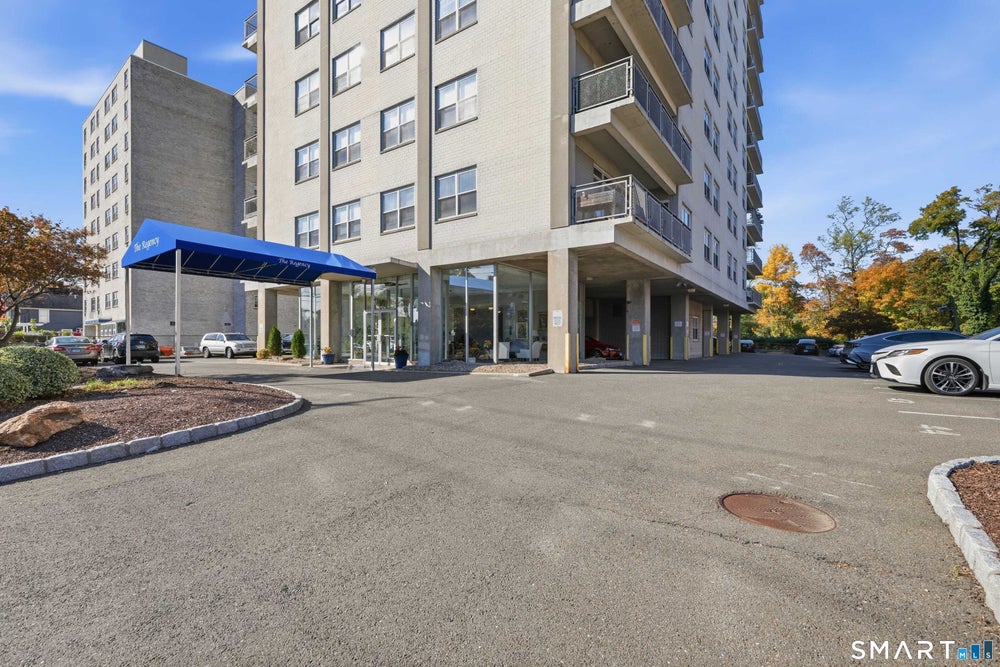
The listing, which entered the system just one day ago, is for a unit in The Regency, a 1962-era brick apartment complex nestled in the Brooklawn neighborhood. It’s a place of city views and level lots, a structure that has stood for over six decades. The American dream, for many, is rooted in such places—solid, historic, and rooted in a community. But the numbers attached to this particular dream are forcing a conversation about what that dream really costs in 2026.
The Math of Modern Urban Living
The initial price of $230,000 for the 1,096-square-foot unit might seem like a foothold on the property ladder. But the true financial picture emerges when you look beneath the surface. The listing details a monthly Homeowners Association (HOA) fee of $922. This single figure is more than a line item; it’s a monthly subscription to a shared reality. That fee, as noted by the listing, includes security, grounds maintenance, trash pickup, snow removal, heat, water, sewer, property management, and even insurance. It’s a comprehensive package, one that promises convenience and a buffer against the unexpected.
But the math doesn’t stop there. We also have to consider property taxes. The listing specifies the tax year from July 2026 to June 2027, though the exact annual levy isn’t broken down in the public listing. And then there’s the assessment amount, listed as $55,900. For a potential buyer, the financial calculus shifts dramatically. The conversation is no longer just about a mortgage; it’s about the total cost of entry into a specific way of life.
A Fairfield County-based real estate analyst who requested anonymity due to client confidentiality explains that the HOA fee is a significant factor in modern condo living because it bundles various costs of upkeep into a single payment.
This is where the dream collides with the reality of aging infrastructure. The building was constructed in 1962. While its brick exterior speaks to a certain durability, the systems within—the heating, plumbing, and electrical—are approaching or have surpassed typical replacement cycles. The $922 monthly fee isn’t just for mowing the lawn; it’s for the slow, steady, and expensive work of keeping a 60-year-old building viable. It’s a cost shared by all residents, a collective responsibility that defines community living.
A Tale of Two Cities: The Bridgeport Paradox
Bridgeport presents a fascinating paradox. As the largest city in Connecticut, it offers the density and amenities of an urban center, often at a fraction of the cost of its more affluent neighbors like Fairfield or New Canaan. Yet, this lower price point comes with its own set of challenges. The city’s tax base, historically strained, often leads to higher property tax rates. The appeal of a $230,000 apartment is undeniable in a region where single-family homes can easily push past hundreds of thousands. But the hidden costs—the HOA fees, the potential for special assessments—can erode the initial savings.
The location itself is a key part of this story. The driving directions provided by the listing take you on a journey that blurs the line between Bridgeport and its neighbor, Fairfield. You turn onto Jackman Ave in Fairfield, follow it to Stratfield Rd, and then loop back into Bridgeport via Brooklawn Ave. This geographic dance is a perfect metaphor for the city’s position: caught between the affluence of the suburbs and the grit and opportunity of the urban core. The Brooklawn neighborhood, where this unit is located, is described as having “city views,” a reminder that even in this quieter part of town, the pulse of the city is never far away.
This leads to the crucial question: who is this property for? It’s not the first-time buyer looking for a bargain-basement entry point. The $922 monthly HOA fee, before a mortgage or taxes, pushes the monthly carrying cost into a range that competes with a modest mortgage payment in other parts of the country. This unit is likely aimed at a specific demographic: the urban professional who values the lock-and-leave convenience of apartment living, the security of a managed building, and the access to city life, but who is also willing to pay a premium for that lifestyle.
The Devil’s Advocate: The Value of the Bundle
Of course, to paint a purely negative picture would be to miss the other side of the coin. The HOA fee, for all its heft, buys something invaluable: peace of mind. The owner of this unit won’t wake up to a broken furnace in the dead of winter and face a significant bill. They won’t have to negotiate with neighbors over who is responsible for repaving the parking lot. The fee covers all that. It transfers the burden of maintenance from the individual to the collective, a system that, when run well, provides a level of security and predictability that is the very essence of community living.
In a market where housing supply is perpetually tight, a well-run condo building like The Regency offers an alternative to the single-family home that is increasingly out of reach for many. It provides a way to own a piece of the city, to build equity, without the overwhelming responsibilities of a standalone property. The value proposition, then, becomes a trade-off: sacrificing absolute control and financial flexibility for a managed, secure, and community-oriented living environment. For some, that’s not a compromise at all; it’s the preferred model.
Ultimately, the story of 2370 North Avenue #10B is more than a real estate listing. It’s a microcosm of the larger American conversation about housing, community, and the cost of stability. It’s a snapshot of a city in transition, where the dream of homeownership is being redefined not by grand architecture or sprawling lawns, but by the quiet, steady hum of a shared boiler and the collective agreement to maintain the place we call home. The question isn’t just whether someone can afford the $230,000 price. The real question is whether they can afford the life that comes with it.
Keep reading

Nashville Mayor O’Connell releases statement on election results
Nashville Mayor O'Connell Responds to State Election Shifts Nashville Mayor Freddie O'Connell issued a statement on the midterm...

Victoria Chang on Poetry, Nature, and Her National Book Award-Finalist Tree of Knowledge
A Portland Tree’s Fall Ignites a National Book Award-Finalist Conversation Across the street from her home, a towering...

NYC to Ban Horse-Drawn Carriages in Central Park by 2028
A Vote to End a 160-Year Tradition The legislation, named Romanch's Law after an 18-year-old Indian tourist who...

How Columbus Hospitals Use Art for Healing
Art Becomes Medicine in Columbus Hospitals Walk into a hospital in Columbus, and you might find a pianist...