
Art Becomes Medicine in Columbus Hospitals
Walk into a hospital in Columbus, and you might find a pianist filling the lobby with music, a child creating art from a hospital bed, or a patient with a neurological condition finding a new way to express their thoughts. These moments of comfort, healing, and normalcy are becoming a planned part of the hospital experience across the region’s four major health systems, a shift toward integrating creativity into care. This transformation is changing the nature of healing for patients and families.
The idea is simple but powerful: creativity is a fundamental part of being human, and it can have a major effect on health and well-being. For a patient undergoing cancer treatment, it might mean a few quiet minutes in an art gallery or listening to a live performance. These programs are not just about filling time; they are about addressing the profound stress and worry that comes with illness.
Across the different health systems, the approach to using art as a healing tool varies, but the goal of providing respite remains constant. At Nationwide Children’s Hospital, creativity is woven into the fabric of care through music therapists, child life specialists, creative engagement coordinators, sibling liaisons and gaming technology. Children might encounter musicians or painters during larger events or participate in art and music at their bedside.
Choice and Control in a Clinical Setting
One of the most significant benefits of these programs is that they give patients something especially valuable in a hospital: a sense of choice and control. According to Karen McHugh-Fornadel, director of patient and family engagement at Nationwide Children’s, parents often see a noticeable difference. “This is the first time they’ve smiled today or were themself,” she says. These creative endeavors also help young patients open up. “When children or teens’ hands are busy, they tend to talk more and are able to express how they’re feeling about things,” McHugh-Fornadel explains.
For adults, art therapy offers a unique form of expression. At OhioHealth’s Dempsey Family Education and Resource Center at Riverside Methodist Hospital, art therapist Jen McHale leads groups for people affected by neurological disease or trauma. Participants use adapted materials like paint, markers, and colored pencils to create projects, focusing on the process rather than the product. “The idea of art therapy is not to make people better artists, but for them to feel the joy of how expressing themselves can be another form to communicate their thoughts and feelings,” McHale says.
Many of her participants face communication challenges or mobility limitations that can lead to isolation. Newcomers are often apprehensive, worried they’re not “good at art.” McHale offers a simple reassurance: “Well, you don’t have to be.” The focus is on expression, not artistic skill.
A Prescription for Peace
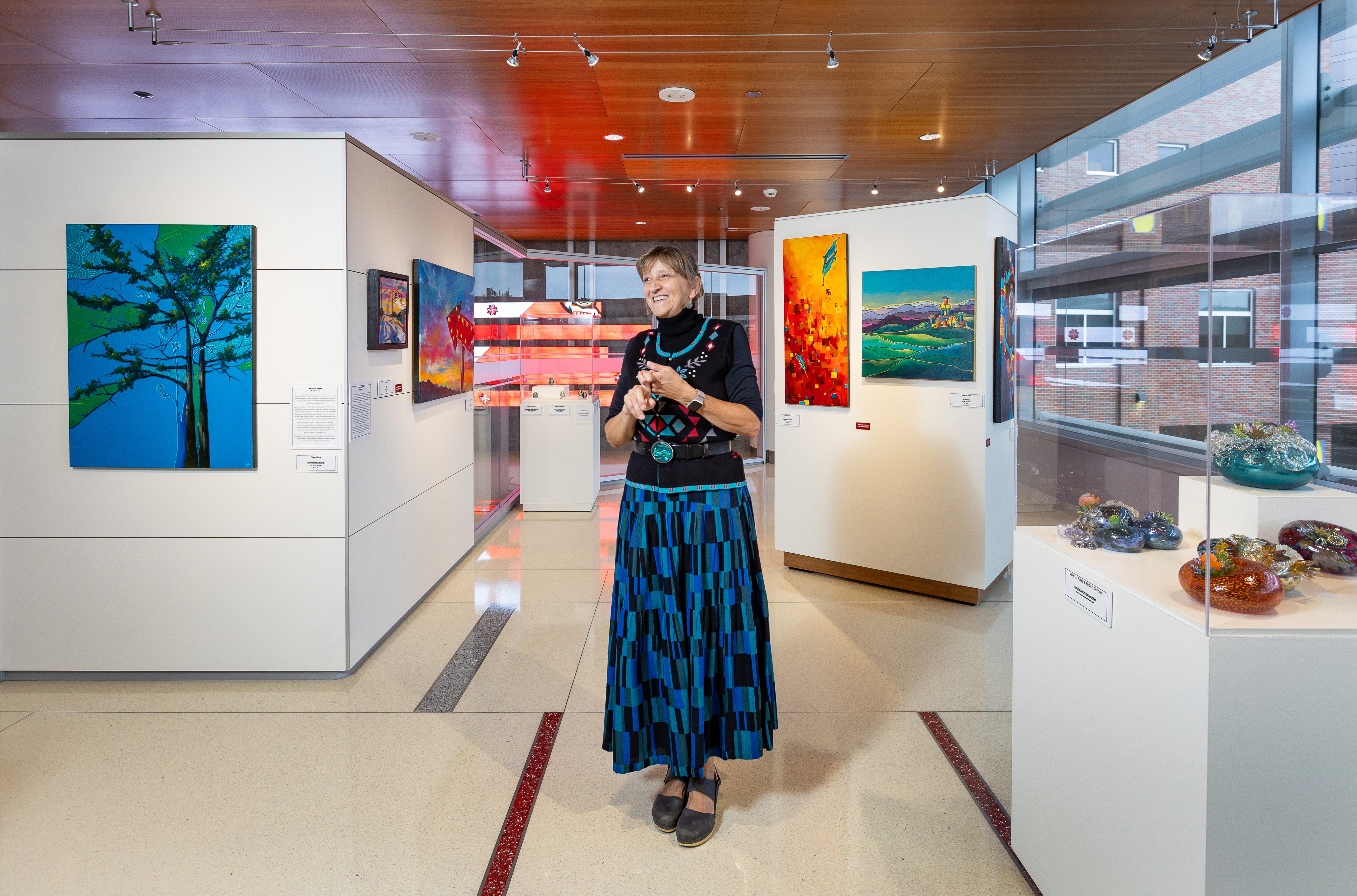
At the Ohio State University Wexner Medical Center’s Arthur G. James Cancer Hospital and Richard J. Solove Research Institute, the stress is palpable. Peggy Kohler, the performing and visual arts manager, says everyone who comes through the door is stressed out and worried. To counter this, Kohler organizes about 50 live performances each month and curates The James Art Gallery, which hosts seven shows a year. The gallery features a mix of two- and three-dimensional work, from paintings to ceramics and glass.
The impact is measured in more than just numbers. Kohler receives about 20 comment cards a week in the gallery, each showing the program’s effect. She remembers one patient who would come down to listen to music for two hours at a time. “He said the music just made the pain go away,” she says.
Many of these programs rely on the dedication of volunteers. At The James, most musicians are volunteers, and some have participated since the program began in 2015. The Ohio State University School of Music also contributes through an initiative called FERMATA—Fostering Empathy and Resilience Through Music and Therapeutic Arts—which is supported by grant funding. At Nationwide Children’s, programs are run primarily by staff, supplemented by volunteers, and are free to patients and families thanks to hospital budgets and donors.
Susan Treer, a piano teacher and church musician, has been volunteering her time at Mount Carmel St. Ann’s for nearly 15 years. Twice a month, she plays in the hospital’s main lobby for about 90 minutes. “I love being able to encourage people through music, to offer comfort and peace, to give an emotional boost, sometimes a smile,” she says. She recalls a doctor who sat near the piano during a particularly tough day, closing their eyes as she played. They later told her they’d just come off a difficult case and had needed the music.
These moments of connection, while small, are what hospital leaders say matter most. A hospital stay is made up of hundreds of individual moments, and art cannot change all of them. But as McHugh-Fornadel puts it, “While we can’t change all the difficult moments, we can really intentionally create moments of connection and joy, normalcy and hope throughout their entire journey.”
The push to integrate arts into healthcare is part of a broader movement toward treating the whole person, not just the disease. For patients and families dealing with some of the most difficult times of their lives, art offers a chance to feel a little more like themselves in a place that feels anything but normal.
For now, in Columbus, the answer is being painted, played out, and performed one note, one brushstroke, and one moment at a time.
Keep reading
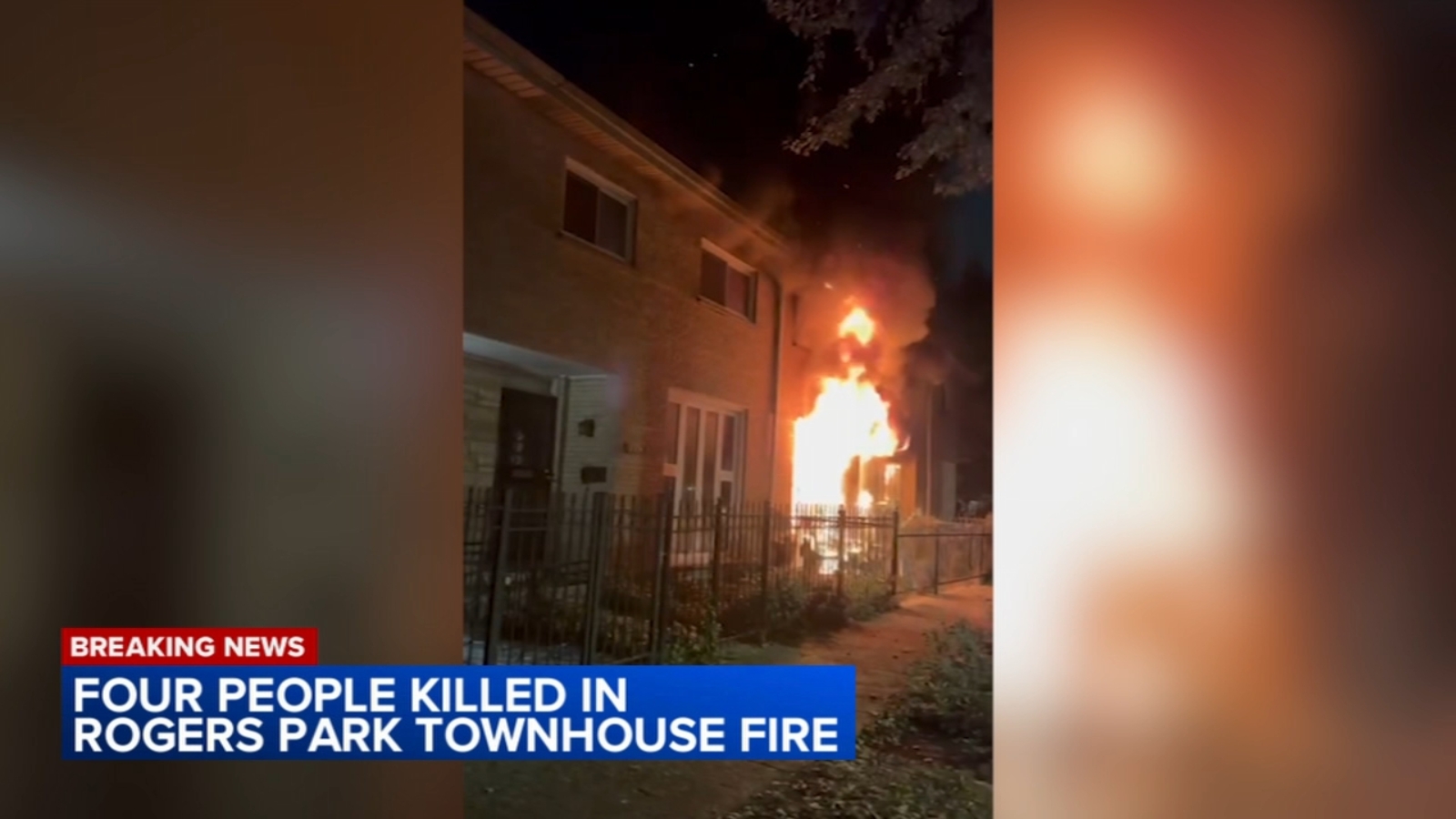
Four die in Rogers Park fire, according to authorities
Four Lives Lost in Early Morning Rogers Park Fire A predawn fire in Chicago's Rogers Park neighborhood claimed...

Honolulu City Council to debate Bill 53 shopping cart ordinance
Bill 53’s Cart Crackdown: Honolulu’s Shopping Cart Battle Hits a Crossroads On a Tuesday morning at Honolulu City...
More than 27,000 crashes on Delaware roads in 2025
More than 27,000 crashes on Delaware roads in 2025. That’s a number, but it represents thousands of moments...
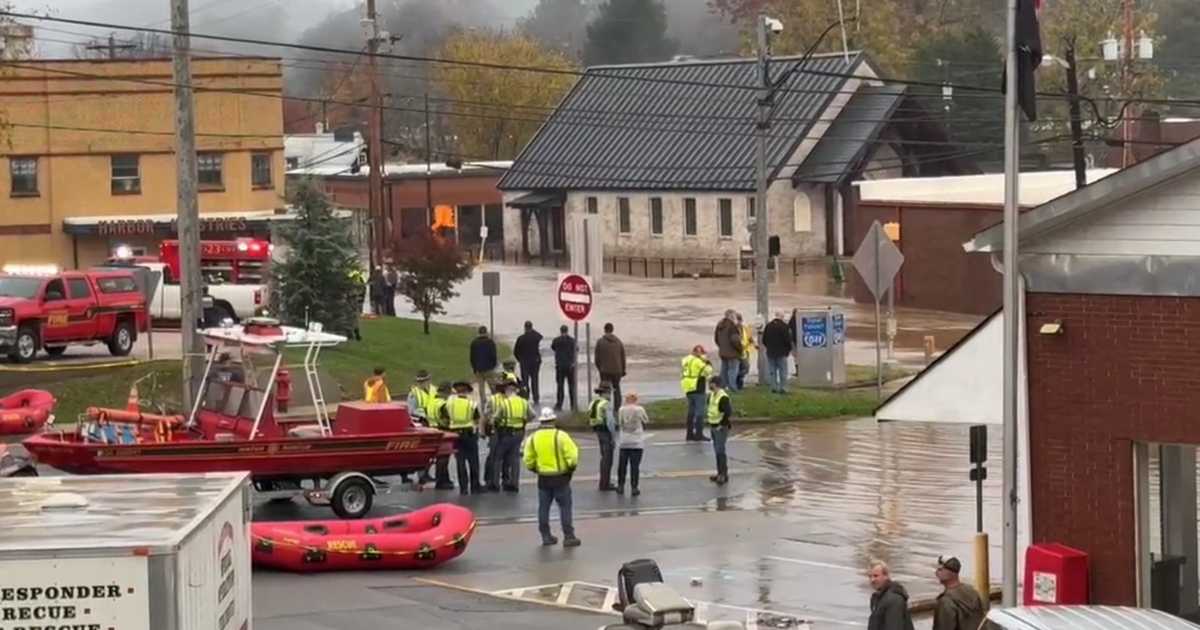
Record Flooding in McCaysville: Toccoa River Overflows, Dozens Rescued
McCaysville Underwater as Record 18-Foot Floodwaters Trap Dozens Emergency crews in McCaysville, Georgia, are conducting boat rescues after...