
Pennsylvania Unleashes $427 Million Lifeline for Municipal Pensions
Pennsylvania has injected more than $427 million into its municipal pension systems in 1,441 communities, a lifeline for retired police officers, firefighters, and other public servants. The Department of the Auditor General, reporting on the distribution, confirmed the staggering figure: $427,788,682.09 has been dispersed to support the retirement promises made to those who spent decades serving their towns and neighborhoods.
This isn’t just a routine disbursement; 2026 marks a turning point. For the first time since 2002, this year’s municipal pension allocation includes a cost-of-living adjustment, or COLA, for municipal police and firefighters. A two-decade wait for this increase is over, and the financial relief is tangible. Beaver County Radio noted the announcement was made in Moon Township by Auditor General Timothy L. DeFoor, alongside State Sen. Devlin Robinson and State Rep. Valerie Gaydos, a supporter of this bipartisan effort.
A Funding Source Rooted in Shared Risk
Where does this massive sum come from? It’s a story of shared responsibility. The funding is generated by a 2 percent tax on fire and casualty insurance policies sold in Pennsylvania by out-of-state companies. This mechanism ensures that while the benefit is local, the burden is shared broadly, reducing the strain on local taxpayers who would otherwise foot the entire bill for these critical retirement benefits. The amount available fluctuates year to year, but the commitment to Pennsylvania’s public servants remains steady.
The sheer scale of the aid reveals the deep financial entanglement between state and local governments. To put the number in perspective, the Southeast/Greater Philadelphia region alone received $181,856,819.10, more than the combined total of the other five regions. The Greater Pittsburgh region followed with a significant $90,178,161.01, demonstrating the aid’s wide reach across the state’s population centers.
“State pension aid helps to make sure municipalities can keep their promises to retired employees who spent decades serving their communities, often performing very dangerous work,” DeFoor said. “This funding also helps to reduce burdens on local taxpayers.”
The human stakes are immense. For retirees who dedicated their careers to protecting others, these funds are more than just numbers on a ledger. They represent dignity and security. The aid is designed to ensure the systems they paid into remain solvent, allowing for the payment of earned benefits. The state’s role here is that of a backstop and a stabilizer, stepping in to prevent local pension funds from collapsing under the weight of their obligations, especially in smaller municipalities with fewer taxpayers.
Transparency and the Path Forward
Ensuring this money is used as intended is paramount. The Department of the Auditor General maintains a rigorous audit process for every pension plan that receives state aid. Municipalities must prove the funds are spent in strict accordance with state law. This layer of oversight is crucial for maintaining public trust and preventing mismanagement. The audits are not a formality; they are a public safeguard, accessible to any citizen through the Audit Report Center.
Looking ahead, the distribution of this aid is not the end of the story but a single chapter in a long-running saga of public finance. The state’s commitment to its retirees is clear, but the challenges of funding future pensions remain. Local governments will continue to balance providing competitive benefits for employees with managing taxpayer dollars responsibly. For now, though, thousands of retired public servants can breathe a little easier, knowing the promise they earned with their decades of service is being kept.
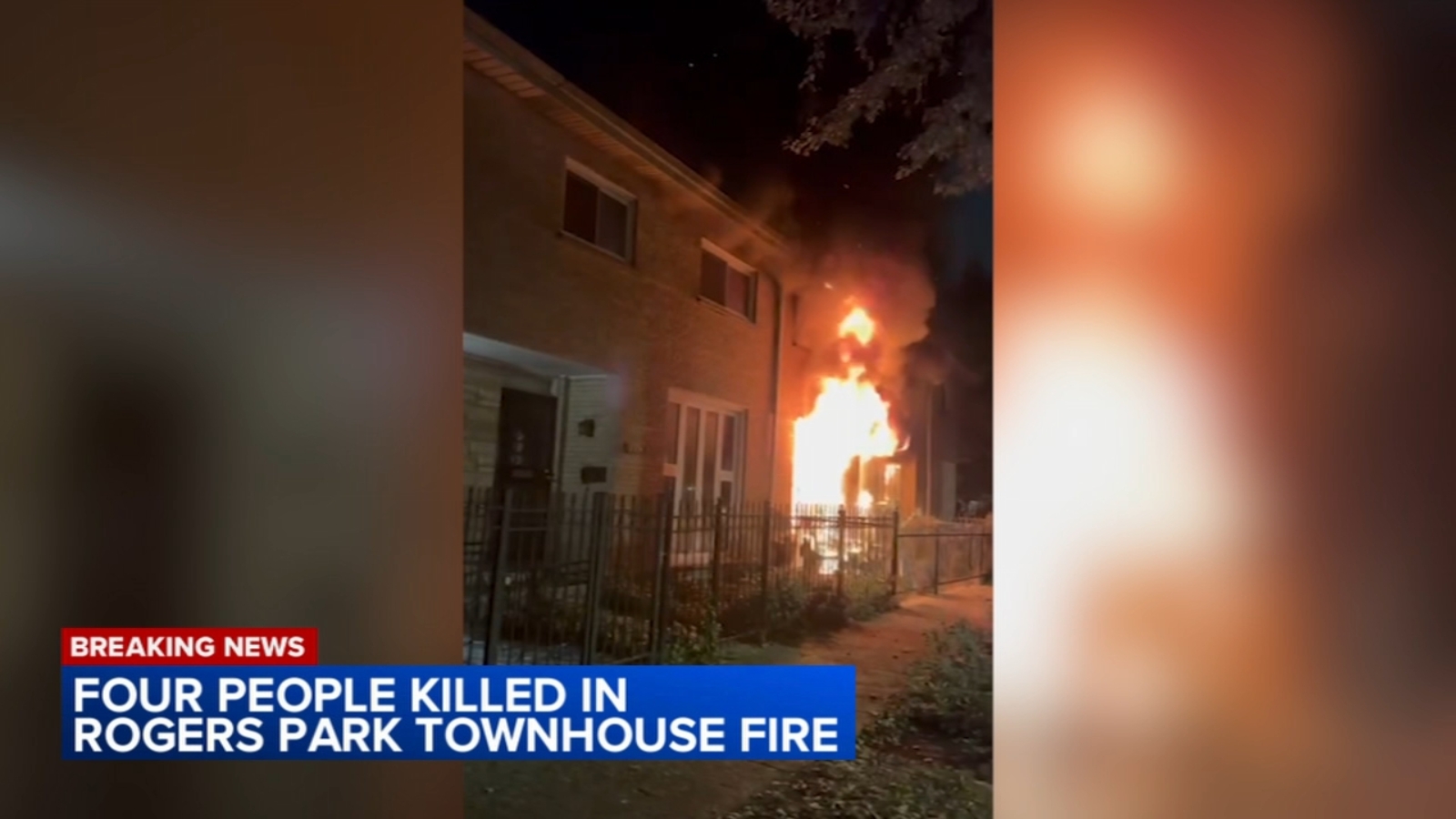
Four die in Rogers Park fire, according to authorities
Four Lives Lost in Early Morning Rogers Park Fire A predawn fire in Chicago's Rogers Park neighborhood claimed...

Honolulu City Council to debate Bill 53 shopping cart ordinance
Bill 53’s Cart Crackdown: Honolulu’s Shopping Cart Battle Hits a Crossroads On a Tuesday morning at Honolulu City...
More than 27,000 crashes on Delaware roads in 2025
More than 27,000 crashes on Delaware roads in 2025. That’s a number, but it represents thousands of moments...

Record Flooding in McCaysville: Toccoa River Overflows, Dozens Rescued
McCaysville Underwater as Record 18-Foot Floodwaters Trap Dozens Emergency crews in McCaysville, Georgia, are conducting boat rescues after...