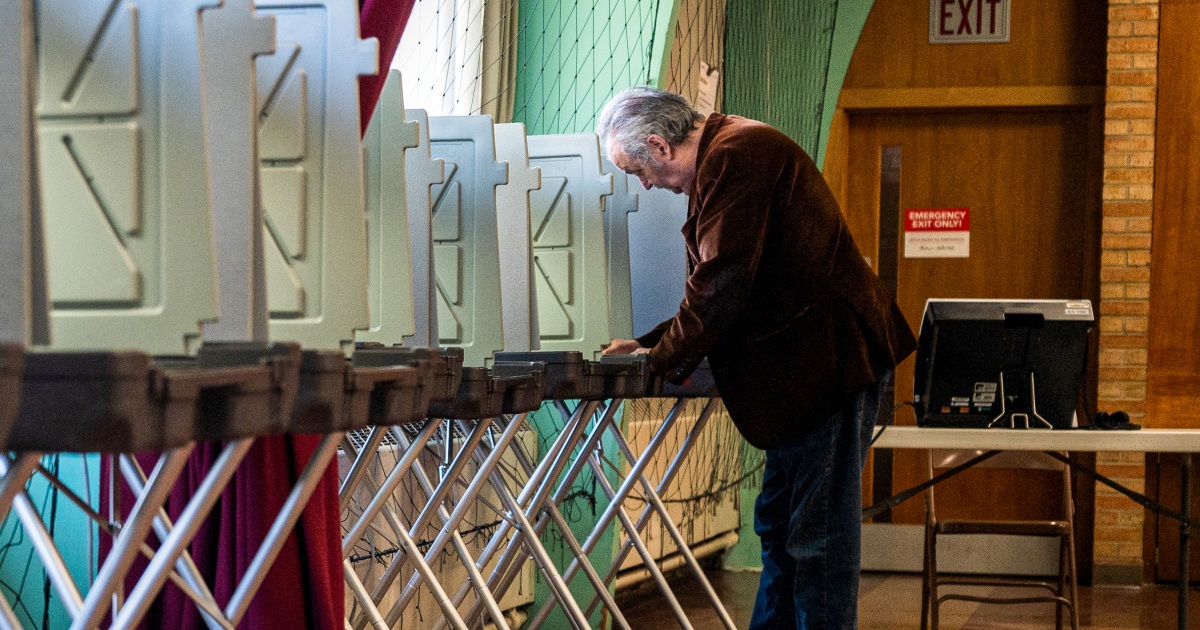
As millions of Americans head to the polls for the midterm elections, the central question echoing across kitchen tables is whether household finances have improved over the last two years. NBC News reported that the economy ranks as the single issue that matters most to voters, with a majority expressing deep frustration with President Donald Trump’s handling of financial matters. Five core economic indicators—spanning inflation, energy costs, borrowing expenses, real estate values, and equities—explain the persistent pinch felt by households nationwide.
The Bottom Line:
- Consumer price inflation outpaced wage growth for six consecutive months leading into the midterms, hitting 3.7% in September against a 30% wage increase, according to the Bureau of Labor Statistics data cited by NBC News.
- Energy shocks sparked by the war with Iran pushed regular gasoline well above $4 a gallon and diesel past $6, driving up transport and supply chain costs throughout the broader economy.
The S&P 500 index has soared by more than 26% during Trump’s second term, reflecting a broader divide between Wall Street wealth and Americans who find it hard to keep up month to month.
Inflation Outpaces Paychecks as Living Costs Surge
At the outset of Donald Trump’s second term, paychecks were climbing faster than consumer prices. That dynamic reversed abruptly following the onset of the war with Iran. In September, consumer inflation jumped to 3.7%, while wages rose just 3% from a year earlier, according to Bureau of Labor Statistics figures reported by NBC News. CNN’s reporting from households across the country underscored a parallel reality: prices have risen 6.8% since December 2024, while average hourly pay increased 5.9%. In Tampa, Phebie White told CNN her rent climbed from $850 to $1,250 while her Social Security check remained flat, reflecting annual cost-of-living adjustments that failed to keep pace with rising expenses.
Basic living expenses—including housing, insurance, food, childcare, and electricity—have climbed relentlessly, leaving many households one minor emergency away from a crisis. Symeria Hudson, CEO of United Way Miami, noted that financial hardship is steadily creeping up on the middle class. Nearly 41% of the 132 million households in the United States fall below United Way’s ALICE threshold, representing working individuals whose incomes fail to cover basic necessities like food, housing, and healthcare. Kyler Daugherty, a 43-year-old healthcare worker in Fort Lauderdale, told AFP that soaring costs forced him to cut back on necessary medications, remarking that everything from food to transportation has become unaffordable.
Energy Shocks Propel Fuel Prices to Record Highs
Spiking energy costs resulting from the conflict with Iran served as a primary driver behind rising consumer prices. Regular gasoline averaged $3.12 per gallon when Trump started his second term and sat at $2.98 right before the war, according to AAA data cited by NBC News. By the autumn elections, prices cleared $4 per gallon, marking the highest regular gas prices recorded just before an election. In Florida, where residents rely heavily on automobiles, a 9.1% jump in gas prices in September alone added significant pressure to household budgets, as detailed by AFP.
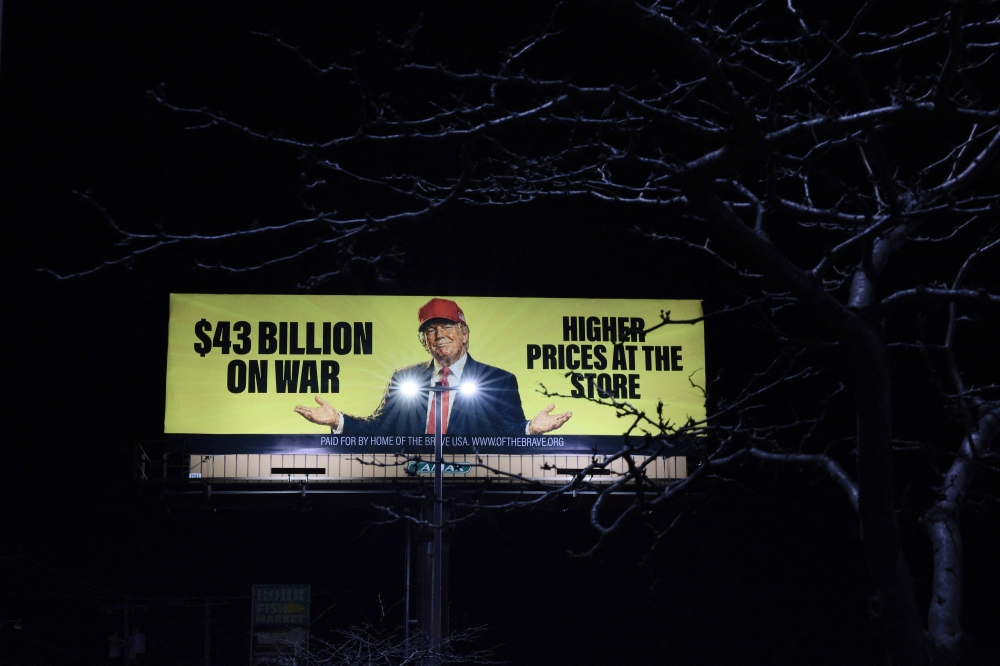
Diesel prices experienced an even steeper ascent, surging to all-time highs in the weeks leading up to the vote. Averaging $3.63 at the start of the presidential term and $3.75 when the Iran war began, diesel prices climbed well past $6 per gallon. Because diesel powers the trucks, trains, and tractors moving goods across the nation, those elevated transport expenses inevitably spilled into retail prices for food and consumer goods. Matthew Moore, a 63-year-old attorney in Florida, noted to AFP that the transport squeeze affected everything from freight shipping to holiday air travel.
Mortgage Rates and Real Estate Pressures
Borrowing costs followed a volatile path over the course of the administration. Mortgage rates topped 7% in January 2025 before easing during the first year of the term, with the 30-year fixed rate dipping below 6% just prior to the Iran war, according to Freddie Mac figures reported by NBC News. Following the outbreak of hostilities, mortgage rates climbed back well above 7%, while the 15-year fixed rate spiked above 6%. Paired with average single-family home prices that jumped 57% since January 2020 to reach $422,700 in September, according to the National Association of Realtors, the elevated borrowing rates have priced many prospective buyers out of the housing market.
Equities Reach Record Highs Amid Economic Divergence
The broader stock market performed strongly during Trump’s second term, with the S&P 500 index soaring by more than 26%. Although the market absorbed temporary pullbacks following the announcement of “Liberation Day” tariffs in 2025 and during the initial weeks of the Iran war, artificial intelligence spending and robust corporate earnings propelled major indexes to record highs. William Galston, a senior fellow at the Brookings Institution, told AFP that two executive decisions—launching the war on Iran and implementing trade tariffs—directly contributed to the cost pressures facing ordinary consumers.
The divergence between asset holders and wage earners highlights a widening economic split. Wall Street investors and established homeowners benefited from surging equity portfolios and rising property values. Conversely, millions of Americans continue to find it difficult to keep pace month to month, framing the choice at the ballot box around personal stewardship, household budgets, and the immediate cost of living.
Disclaimer: The information provided in this article is for educational and market analysis purposes only and does not constitute financial, investment, or legal advice. Always consult with a certified financial professional before making investment decisions.
Worth a look
Spaulding, Marre take individual titles at Simpson tournament – Central College Athletics
Central College Wrestlers Claim Individual Titles at Luther Hill Open The Central College men's wrestling season kicked off...

Another sloppy Patriots performance, but another divisional win – NBC Sports Boston
The 2026 New England Patriots secured another divisional victory despite a sloppy performance against the Miami Dolphins, escaping...

Four Lock Haven wrestlers go 3-0 at Navy Classic
Four Lock Haven Wrestlers Go Unbeaten at Navy Classic Opening Day Four Lock Haven wrestlers finished their matches...

Collins, Jackson make their closing appeals in Maine’s pivotal US Senate race
Maine US Senate Race Reaches Final Hours With Record Spending and Divergent Closing Strategies With more than $260...