
Maine US Senate Race Reaches Final Hours With Record Spending and Divergent Closing Strategies
With more than $260 million pumped into Maine’s U.S. Senate race, setting a new state record that eclipses the $200 million spent during the 2020 matchup between incumbent Republican Susan Collins and Democrat Sara Gideon, the contest has entered its final stretch ahead of the Nov. 3 election, the Maine Morning Star reported.
That staggering financial figure underscores an increasingly polarized electorate and two fundamentally different arguments for who best represents a state boasting the nation’s oldest median age and a heavy tax burden. On one side, Senator Collins is banking on decades of constituent service and federal funding streams. On the other, Democratic challenger Troy Jackson is leaning on anti-establishment momentum, targeting Collins’ alignment with Donald Trump and her judicial votes.
Earmarks and Emergency Infrastructure in Winthrop
For Collins, the closing message relies heavily on tangible local investments. During a campaign stop in Winthrop, the senator highlighted a federal earmark securing just over $1.1 million to overhaul local emergency dispatch communications. Town managers and local law enforcement had warned that previous equipment was failing almost daily, endangering roughly 18,000 residents across Kennebec County.
Favorability numbers from the CNN/SSRS Poll Net Favorability (Change from August)🟦Jackson: -7 (-1) 🟥Collins: -12 (-2)Presidential Approval🟥Trump -35 (+1)Parties🟦Dem: -6🟥GOP: -26#MEpolitics https://t.co/YrMxcoNLdx
“It’s not a want. It’s a need,” Paul Ferland, police chief of both Monmouth and Winthrop, said after giving Collins a tour of the department, noting that local taxpayers could not have shouldered the multi-million dollar burden independently.
Collins defends her legislative footprint by pointing to broader totals, telling reporters she has steered roughly $1.5 billion to Maine for similar community projects. Campaigning alongside figures like West Virginia independent Joe Manchin, she highlights her ability to bring federal funding to the state.
Jackson Rallies Working-Class Voters and Veterans
Jackson has countered by questioning whether federal appropriations offset overarching economic pressures. Flanked by high-profile surrogates including Arizona Senator Mark Kelly during an event at Flight Deck Brewing in Brunswick, Jackson framed the choice around economic equity and democratic norms.
“People that think that Senator Collins has been doing all this, bringing in all this money, I mean, look, it’s a pittance compared to what we’re losing,” Jackson told supporters, asking voters directly whether they felt the current government is working for them.
The Democratic nominee’s closing pitch has resonated with voters like Bill Jefferson, a Buxton resident and Vietnam veteran who attended the Brunswick event. Jefferson voiced frustration over foreign conflicts and modern federal immigration enforcement, echoing Jackson’s opposition to U.S. involvement with Iran and support for universal healthcare.
High-Stakes National Surrogates and Ad Wars
National political heavyweights have descended upon Maine to shore up both campaigns in the final days. While Vice President JD Vance praised Collins during an August visit, and former Senator Manchin hit the campaign trail with her, Jackson has drawn support from progressive leaders including New York Representative Alexandria Ocasio-Cortez, Vermont Bernie Sanders, and Massachusetts Elizabeth Warren.
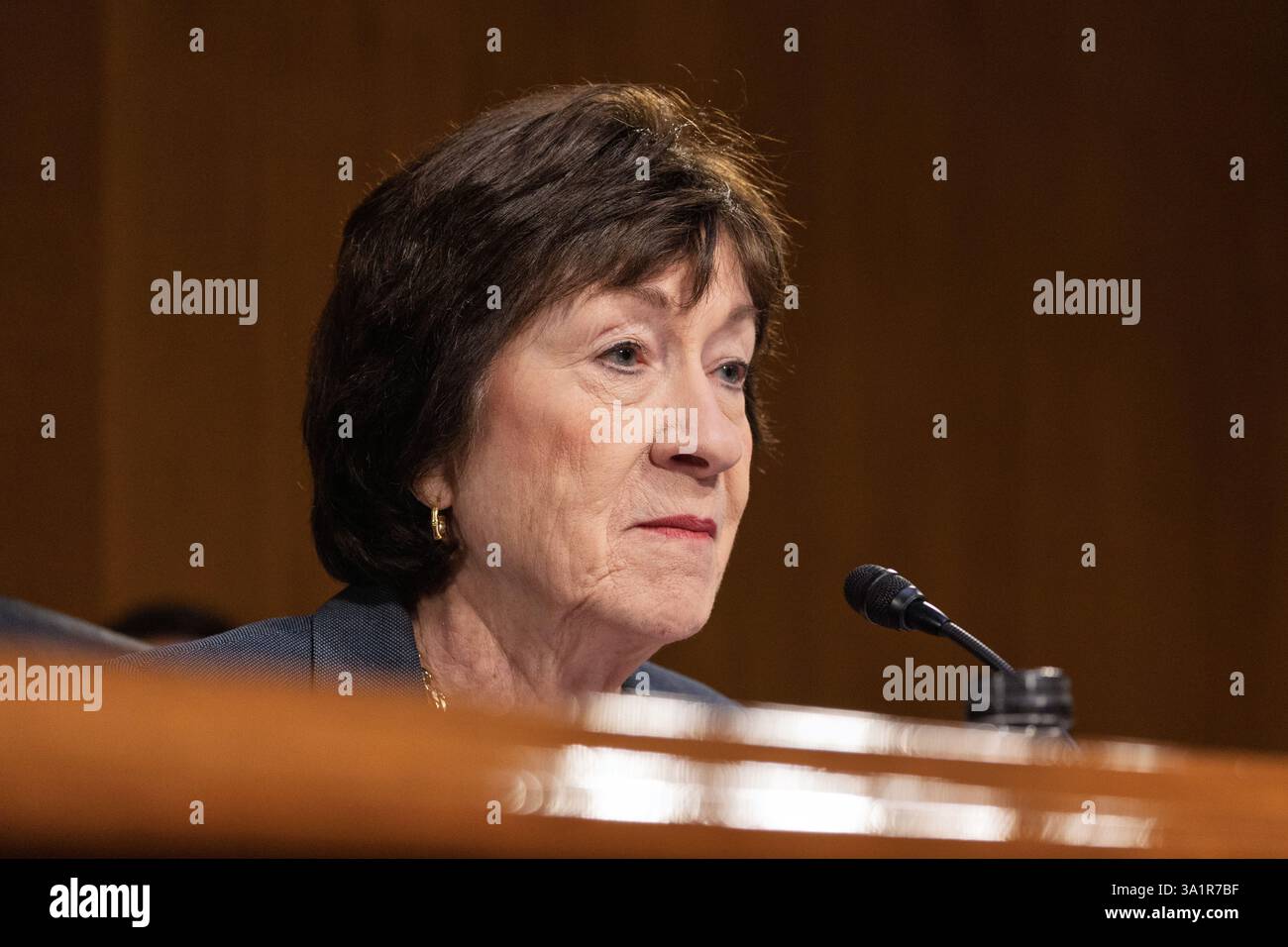
At the same time, the airwaves and digital platforms have been flooded with late advertising.
As voters head to the polls on Nov. 3, the contest boils down to whether Mainers prefer Collins’ veteran appropriations record or Jackson’s promise to upend the status quo.
Worth a look

Foraging for knowledge: Mushroom clubs search for overlooked species – Bay Journal
The Vast, Unmapped Fungi Kingdom Professional mycologists face a daunting ratio in the field. Scientists estimate there are...

Oregon Zoo elephant calf is being treated for dangerous disease – OPB
Veterinary teams at the Oregon Zoo are fighting to save a young Asian elephant calf named Tula-Tu, who...

Oklahoma State University hosts second annual drone search and rescue championship
Stillwater Skies Host Student Rescue Drones High school teams from across Oklahoma are gathering at Lake Carl Blackwell...

Build a Custom Home on Your Land in Ohio – Diyanni Homes
Building a custom home across Ohio requires navigating starkly different regional landscapes, from the Lake Erie shoreline in...