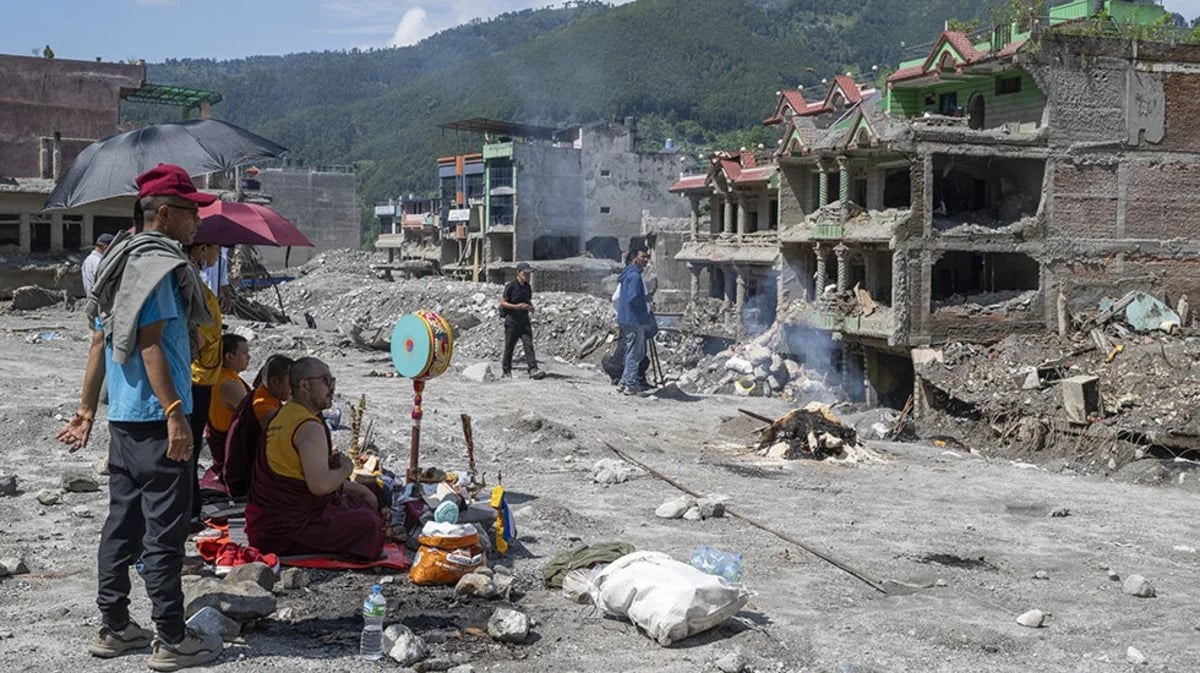
Nepal has concluded active search operations for victims of the catastrophic August 26 floods, leaving 5,285 people still missing and sparking sharply mixed reactions from families seeking either continued rescues or expedited death certificates to secure legal compensation and property rights.
Weeks after flash floods originating near the Nepal-Tibet border devastated northern and central Nepal, the office of Prime Minister Balendra Shah decided to transition resources away from active rescue work.
Government Shifts Funds Toward Reconstruction
The government estimates that overall recovery will cost $4.77 billion, with nearly 33,000 people affected and approximately 7,500 homes damaged or destroyed. Authorities have redirected personnel toward rehabilitation and reconstruction, focusing heavily on remote areas where damaged infrastructure has severely hindered aid delivery. Field inspections, alongside recommendations put forward by the District Security Committee, District Disaster Management Committee, and National Disaster Risk Reduction and Management Authority, directly preceded the choice to suspend active operations. Hopes for finding living survivors had flared briefly when rescuers pulled two Nepalese workers from an underground tunnel at the Trishuli hydropower project on September 4, followed two days later by the rescue of a Chinese man from the exact same location.
Those discoveries have done little to soothe families whose relatives remain missing.
I am so angry at the government for giving up on search and rescue with thousands of people still missing.
Usha Khatri, citizen searching for her husband
Khatri has spent weeks checking photographs of recovered bodies buried temporarily for preservation for identification. Mahesh Shrestha, whose brother worked as an engineer at an impacted hydropower plant, insisted Our family demand they continue looking for him.
Other relatives echo that frustration over the abrupt halt. Shrestha also stated that authorities had abandoned them and should not have stopped looking. In the Hindu tradition, families unable to recover bodies have begun performing symbolic cremations, noting that performing the ceremony even without a body provides a sense of spiritual release.
Lawmakers Propose Fast-Tracked Death Certificates
Nirajan Poudel, who lost five family members in the flood and noted that they were sure none of their family members survived and were just looking for a closure, welcomed the decision while seeking government-issued death certificates. Under the current Civil Code in Nepal, a disappearance typically requires a 12-year waiting period before a person is presumed dead only after 12 years, preventing relatives from claiming property inheritance, insurance payouts, or relief funds, although Section 40 offers an exception allowing courts to declare a death if someone vanished without warning or likely perished in a disaster.
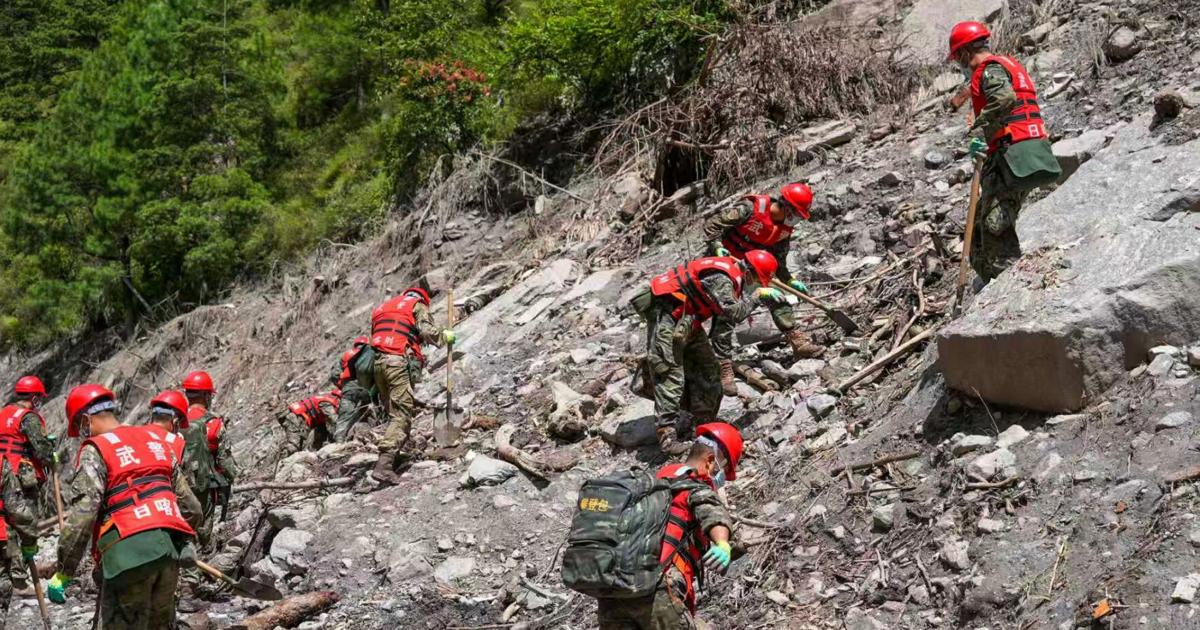
While search protests continue, other families welcomed the end of rescue operations because it forces progress on official paperwork. Nepal’s government is preparing fast-track amendments to the Disaster Risk Reduction and Management Act and the National Identity Card and Registration Act, alongside ordinance proposals advanced by Law Minister Sovita Gautam because parliament’s regular session has ended. Ministry officials including Law, Justice and Parliamentary Affairs Ministry Joint Secretary Subash Kumar Bhattarai and Home Ministry Secretary Kedar Nath Sharma detailed the legislative changes at a parliamentary special committee meeting, noting that existing legal provisions were insufficient to facilitate the declaration and registration of deaths for people missing in the disaster.
Families Abroad Seek Relief for Missing Relatives
Malaysia Solidarity Families in Hope (MASFIH), representing families of 54 Malaysians missing in the disaster, welcomed a proposal to shorten the missing-persons declaration period to 45 days. The crisis extends beyond Nepal’s borders.
AmBank became the first institution to offer financial aid through its foundation, and Bank Negara Malaysia agreed to meet with family representatives. MASFIH has requested meetings with Malaysian Prime Minister Datuk Seri Anwar Ibrahim and the Attorney General’s Chambers regarding legal protections, while engaging financial institutions for loan moratoriums.
AmBank became the first institution to offer financial aid through its foundation.
More on Balendra Shah
Groups: Israeli Forces Kill or Wound Palestinians Every 90 Minutes in Gaza
One year after a ceasefire agreement mediated in October 2025, humanitarian groups and international organizations report that Israeli...

Ethiopian Drones Strike Eritrean Forces Near Adigrat in Tigray Escalation
Ethiopian government forces launched drone strikes against Eritrean military positions near the northern town of Adigrat this week,...

Oxford and Mastercard Foundation Offer Fully Funded MBA Scholarships for Africans
Oxford University and the Mastercard Foundation have established up to three fully funded graduate scholarships for African nationals...

Donald Trump Demands Lower Interest Rates as Mortgage Costs Climb
US President Donald Trump demanded lower interest rates on Wednesday, criticizing Federal Reserve policymakers as average 30-year mortgage...