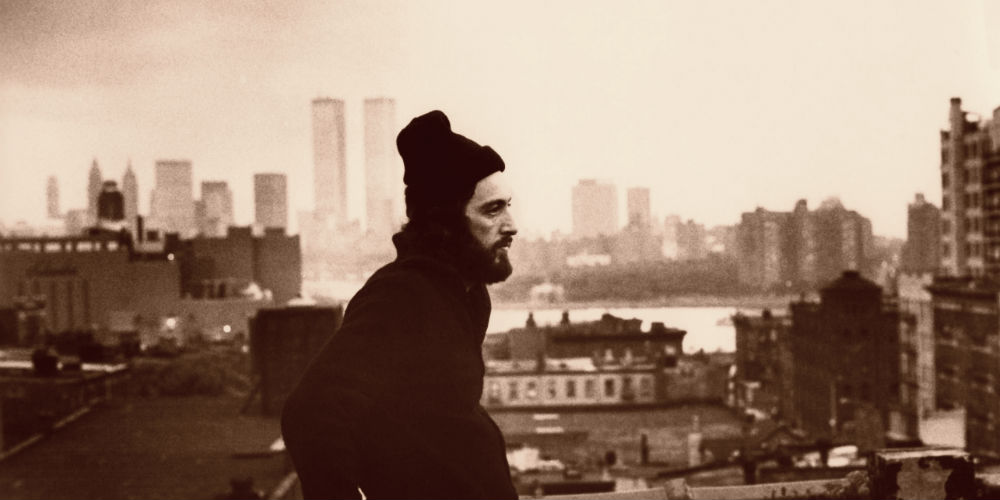
The 1970s New York City Noir Canon
The 1970s in New York City remains a distinct epoch in the American cultural imagination, defined by a specific brand of urban decay and political cynicism. Crime Reads recently highlighted how this era birthed a unique literary and cinematic style—a gritty, fatalistic noir that mirrored the real-world volatility of the city. While the genre traces its roots back to the works of Dashiell Hammett and Raymond Chandler, the 1970s NYC iteration is grounded in a specific, lived-in harshness that refuses to look away from the moral ambiguity of the time.
7 essential 1970s NYC noir books and films https://t.co/gv4GtPjECt
For those navigating the landscape of 1970s fiction, these stories are more than just thrillers; they are historical artifacts. They capture the personal struggles and systemic rot of a decade marked by fiscal crisis and social upheaval. As Crime Reads notes, these narratives often conclude with a sense of operatic tragedy, reflecting the chiaroscuro world where light and dark remain in constant, uneasy tension.
Police Corruption and the Idealism Gap
The institutional instability of the NYPD serves as a recurring backdrop for this era. In the 1972 novel Report to the Commissioner by James Mills, the narrative is structured as a fictional police report. It follows Bo Lockley, a young detective in Times Square whose idealism is systematically dismantled by the cynical veteran culture surrounding him. The 1975 film adaptation, directed by Milton Katselas and featuring Michael Moriarty and Yaphet Kotto, captures this same thematic weight, illustrating the inability of a single individual to combat the overwhelming tide of crime and corruption.

This atmosphere of internal rot reached a fever pitch in the real-world narrative of Frank Serpico. Peter Maas’s 1973 book, Serpico: The Classic Story of the Cop Who Couldn’t Be Bought, functions as a vital historical account of systemic law enforcement corruption. Sidney Lumet’s 1973 film, starring Al Pacino, stands as one of the most accurate visual representations of that period. These accounts provide the essential context required to understand the cynicism that saturated the noir fiction of the decade.
The Triangle of Pressure in Across 110th Street
The 1970 novel Across 110th Street by Wally Ferris explores the intersection of organized crime, drug lords, and law enforcement. The plot hinges on a botched payroll robbery that traps its characters in a fatalistic cycle. With no easy way out, the story serves as a piece of historical testimony regarding the city’s power dynamics. The 1972 film adaptation, directed by Barry Shear, is noted for its exceptional pacing and the performances of Yaphet Kotto and Anthony Quinn.
Personal Collapses and Domestic Noir
Noir was not limited to the streets; it permeated the domestic and working-class spheres of the city. Judith Rossner’s 1975 novel Looking for Mr. Goodbar, later adapted into a 1977 film starring Diane Keaton, tracks the life of a woman from the Bronx whose path is marked by trauma and poor decision-making. It offers a stark look at the isolation of the era, focusing on a teacher whose search for connection leads to a tragic conclusion.
Similarly, Richard Price’s 1976 novel Bloodbrothers examines the life of eighteen-year-old Stony, who struggles to find an identity within the rigid, macho world of construction labor. The 1978 film, directed by Robert Mulligan and featuring Richard Gere, highlights the internal and external pressures of family life in a city on the brink. Vincent Patrick’s 1979 novel The Pope of Greenwich Village continues this thread, following two cousins living on the periphery of organized crime, struggling with the weight of their own poor decisions. The 1984 film adaptation, directed by Stuart Rosenberg, is particularly memorable for the early performances of Mickey Rourke and Eric Roberts.
The Matthew Scudder Series
Perhaps no work defines the NYC 1970s noir experience more than Lawrence Block’s Matthew Scudder series. Starting with The Sins of the Fathers in 1976, Block introduces a protagonist who is an ex-cop, an alcoholic, and a man operating in the grey areas of the law to pay his rent. The series is essential reading for anyone seeking to understand the seedy, forgotten fringes of 1970s New York. While other works in the series have been adapted, none have captured the exquisite, gritty essence of the original novels as effectively as the books themselves.

The enduring appeal of these stories lies in their refusal to provide tidy resolutions. They reflect a time when the city’s future felt precarious and its moral center seemed to have shifted. Whether through the lens of a fictional police report or the quiet desperation of a Bronx teacher, these stories remain the definitive map of a lost New York.
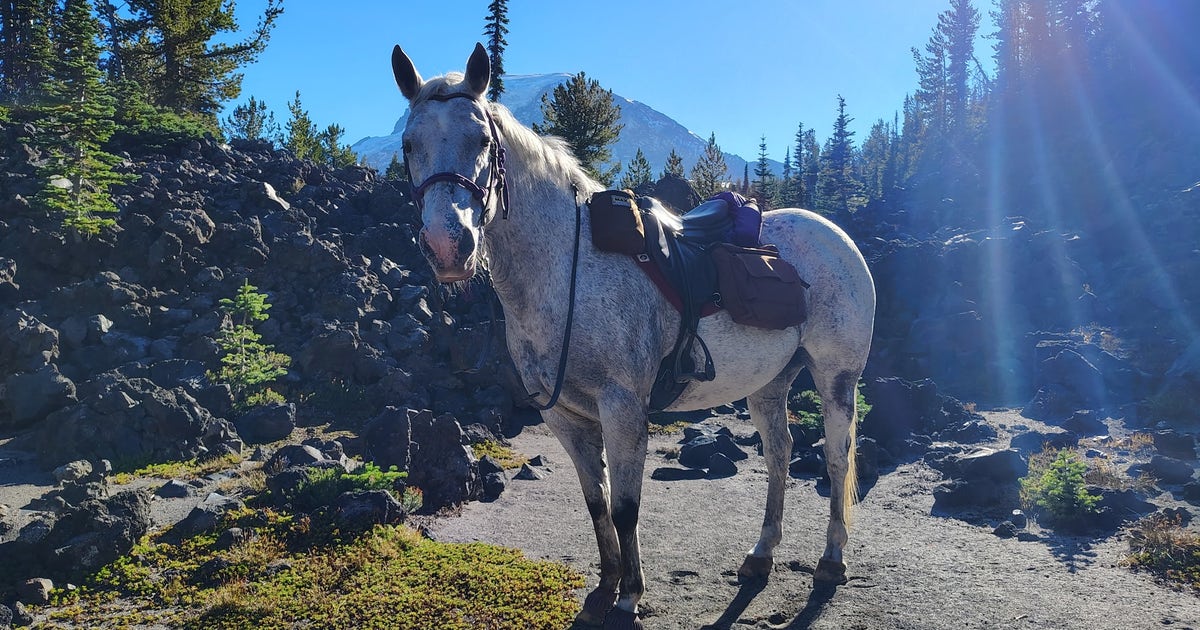
Marysville family searches for horse Cheyenne missing in Mount Adams Wilderness
For the Hoemann family in Marysville, Washington, the barn has felt significantly quieter since early October. A trail...

Virginia Morales Cedeño Obituary: A Legacy of Family and Passion
Virginia Morales Cedeño: A Life Defined by Family and Community Virginia Morales Cedeño, whose life spanned nearly a...

Phil Scott Victory Highlights Why Pre-Election Polls Failed
The 14-Point Discrepancy in Vermont’s Gubernatorial Race When the final ballots were tallied on Tuesday, the results in...
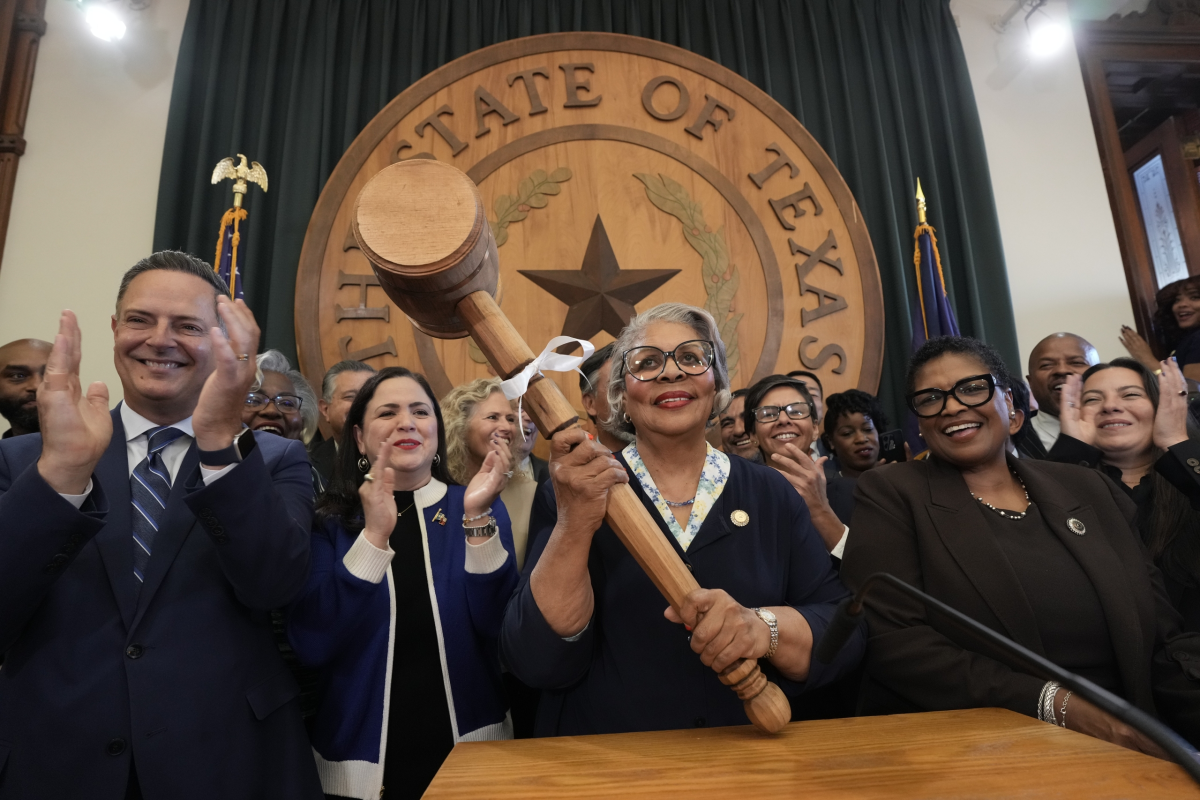
Senfronia Thompson Claims Enough Votes to Become Texas House Speaker
A Historic Shift in the Texas House State Rep. Senfronia Thompson, a fixture of the Texas Legislature since...