
The Boundary That Built a Relationship
In a recent column for the Los Angeles Times, writer and journalist Natalie Rose chronicles the decision to prioritize her own geographic boundaries over the potential for romantic compromise. The essay, which details her transition from a nomadic lifestyle to settling in Los Angeles, explores the friction between personal autonomy and the traditional expectations of long-distance dating.
Rose, who writes about food, identity, and culture, recounts a pivotal moment in her relationship with her now-husband, Matt. After months of maintaining a long-distance connection through digital communication, she realized she had to be explicit about her future: she would not return to New York City, where Matt had been living for years. For Rose, this was not merely a logistical preference but a fundamental shift in her approach to relationships. Having spent her 20s in New York frequently compromising her own identity, religion, and personal standards to accommodate partners, she arrived at a point where she refused to erode her own needs for someone else’s convenience.
From Guatemala to Los Angeles
The path to this realization was circuitous. In 2012, while recovering from a difficult breakup, Rose moved to Guatemala. There, she lived in a homestay, learned Spanish, and began her career as a freelance writer for food and travel publications. Her professional trajectory eventually led her to a journalism program in Maine, with a brief, necessary stopover in New York to earn money. It was during this time that she first met Matt, a fellow freelancer who shared her desert upbringing. Despite a mutual attraction, the timing was misaligned. Rose was focused on her nomadic path, and the two parted ways.

The connection remained dormant until a series of events brought Rose to Los Angeles. While attempting to return to Guatemala, she was delayed at Los Angeles International Airport due to visa complications. According to the Los Angeles Times, a friend hosted her for a week in January, during which Rose explored the city, hiked the urban wilderness of Mulholland, and discovered that many of her former New York acquaintances had already relocated to the West Coast. This brief residency convinced her that her next chapter belonged in California.
The Digital Foundation of a Partnership
The relationship gained momentum when Matt reached out via Facebook after visiting Los Angeles and finding himself similarly enamored with the city. As reported by Yahoo Lifestyle, the couple transitioned from initial outreach to frequent email exchanges, eventually moving to texts and phone calls. Rose notes that this period of distance actually served as a catalyst for intimacy rather than a barrier. Because they were not physically together, the pressure to conform vanished, allowing her to present her authentic self without fear of judgment.
When the conversation turned to the reality of their distance, Matt’s response was decisive. When Rose cautioned him that she had no intention of moving back to New York, he did not demand she reconsider. Instead, he acknowledged her boundary and suggested that he was open to relocating himself, citing his own appreciation for the Los Angeles lifestyle. This mutual alignment on their living situation—and the shared values discovered during their months of digital correspondence—formed the bedrock of their commitment.
A year after their initial, long-distance “dates,” Matt moved to Los Angeles. Today, the couple lives in Studio City with their children. The story serves as a reflection on the evolving nature of modern courtship, where the ability to maintain personal boundaries can paradoxically lead to a more stable and lasting union.
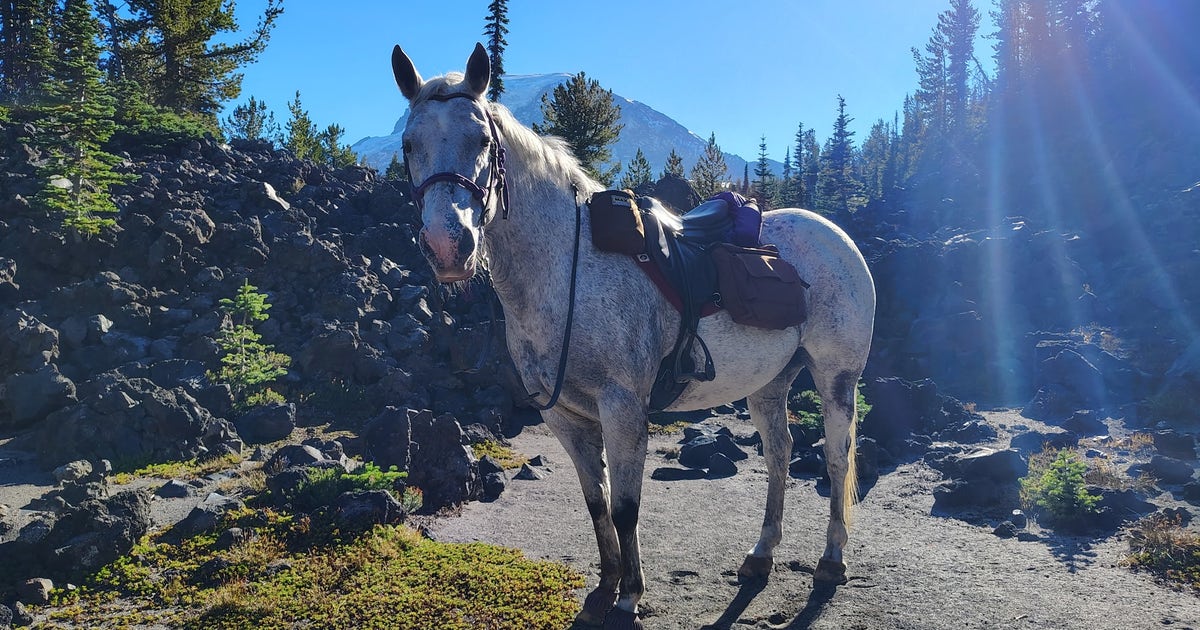
Marysville family searches for horse Cheyenne missing in Mount Adams Wilderness
For the Hoemann family in Marysville, Washington, the barn has felt significantly quieter since early October. A trail...
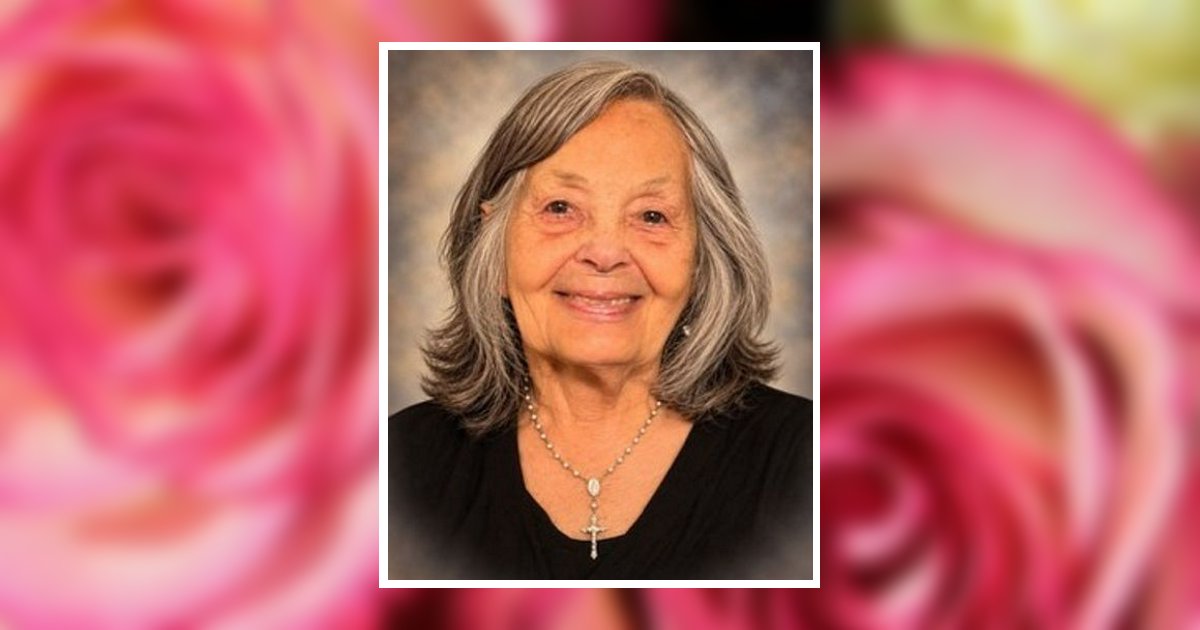
Virginia Morales Cedeño Obituary: A Legacy of Family and Passion
Virginia Morales Cedeño: A Life Defined by Family and Community Virginia Morales Cedeño, whose life spanned nearly a...

Phil Scott Victory Highlights Why Pre-Election Polls Failed
The 14-Point Discrepancy in Vermont’s Gubernatorial Race When the final ballots were tallied on Tuesday, the results in...
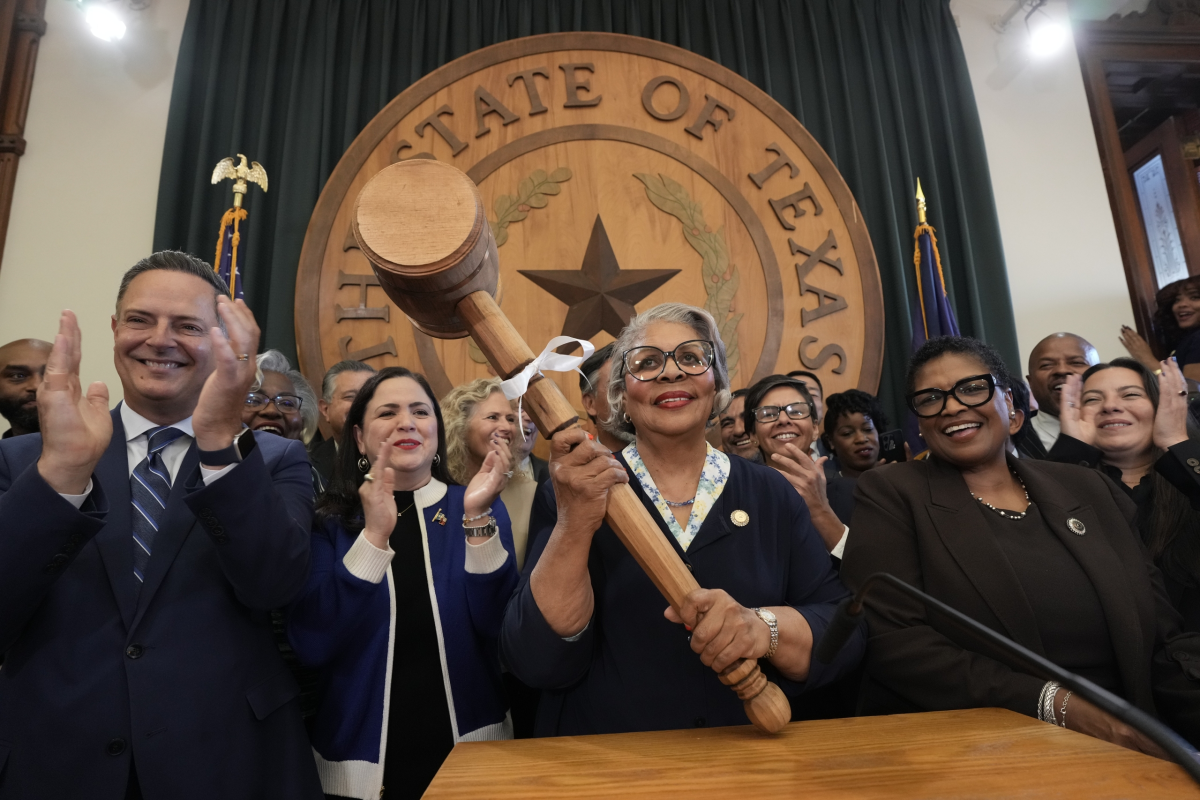
Senfronia Thompson Claims Enough Votes to Become Texas House Speaker
A Historic Shift in the Texas House State Rep. Senfronia Thompson, a fixture of the Texas Legislature since...