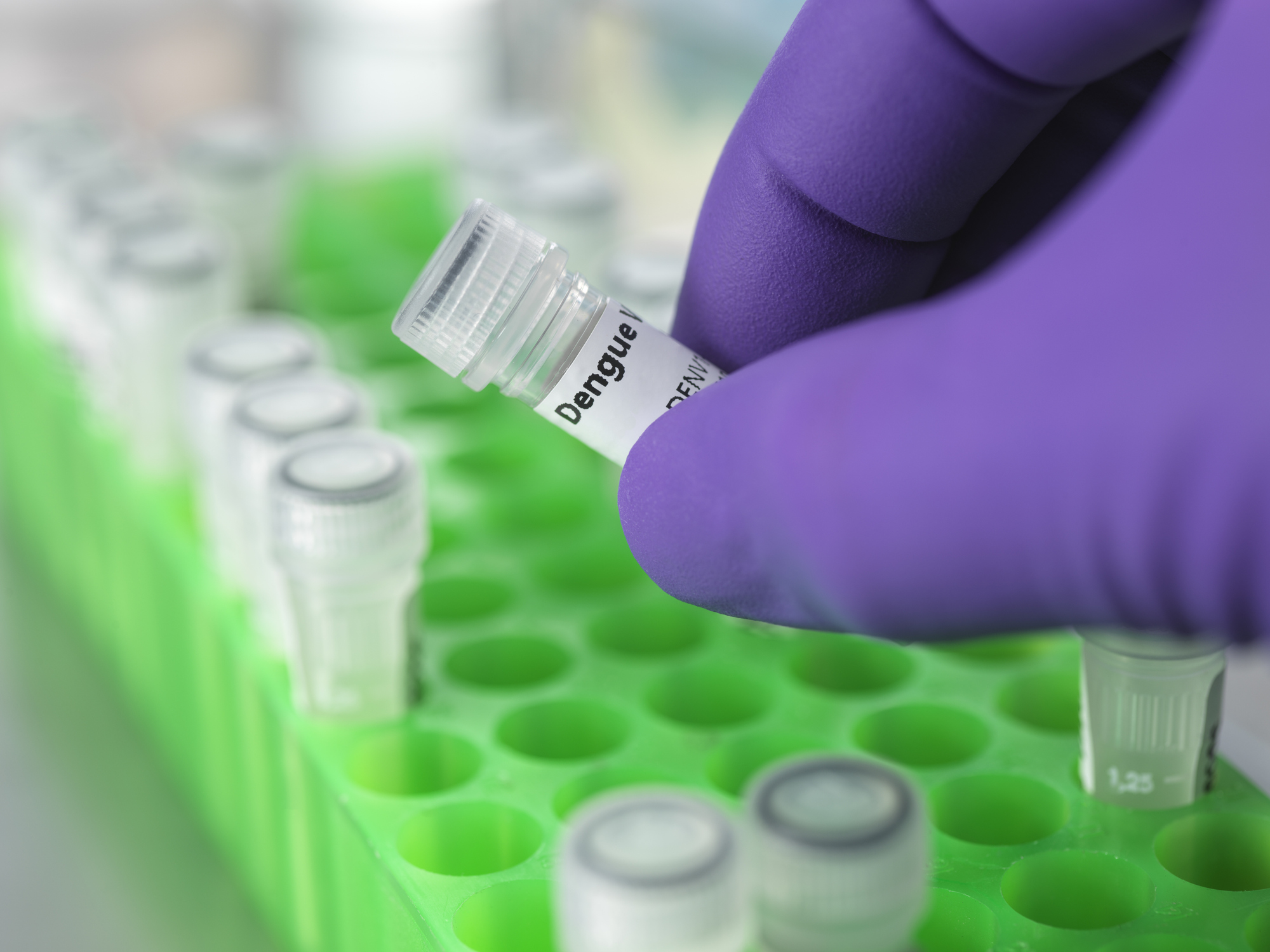
The Central Drugs Standard Control Organisation has granted marketing authorisation for Qdenga, India’s first approved dengue vaccine, for individuals aged 4 to 60. Developed by Takeda, the two-dose, live-attenuated vaccine provides protection against all four dengue serotypes and does not require pre-vaccination screening, marking a significant milestone in India’s public health response.
Regulatory Approval and Vaccine Specifications
The Drug Controller General of India (DCGI) officially cleared Qdenga (TAK-003) for use following a comprehensive scientific evaluation. The vaccine is a live, attenuated tetravalent product designed to combat all four dengue virus serotypes (DENV-1 through DENV-4).
Unlike previous vaccines, such as Dengvaxia, which required blood testing to ensure a patient had prior exposure to the virus, Qdenga is approved for administration regardless of a person’s previous dengue infection status. The regimen consists of two 0.5 ml doses administered via subcutaneous injection, spaced three months apart.
Clinical Evidence and Global Efficacy Data
The approval rests on a massive clinical development program comprising 19 trials involving more than 28,000 participants.

- 12 months post-second dose: 80.2% efficacy against virologically confirmed dengue.
- 18 months post-second dose: 90.4% efficacy against dengue-related hospitalisation.
- 4.5 years of follow-up: 84.1% efficacy against hospitalisation.
In addition to the global trials, the vaccine’s safety and immunogenicity in the Indian population were confirmed through a specific Phase III clinical trial (DEN-302) involving local participants aged 4 to 60. The vaccine has already secured regulatory clearance in 43 countries, including the UK, Switzerland, and several nations across Latin America and Southeast Asia, and holds World Health Organization (WHO) prequalification.
Public Health Stakes and Manufacturing Partnerships
India currently bears nearly one-third of the global dengue burden, with cases increasing 11-fold over the last two decades.

“Dengue is a growing public health challenge and India needs sustained, evidence-based prevention. The latest seven-year data for Qdenga show continued protection against dengue infection and hospitalisation across all four serotypes — an important milestone for communities and health systems.”
Dr Mahender Nayak, head of Intercontinental Markets, Takeda
To address supply and cost concerns, Takeda has established a manufacturing partnership with the Hyderabad-based firm Biological E. This collaboration is intended to produce up to 50 million doses annually.
Integration into Existing Disease Control Strategies
Health officials emphasize that the vaccine is intended to complement, not replace, existing vector control measures. Dr Goh Choo Beng, Medical Affairs Head for the Southeast Asia and India Cluster, stated that the vaccine is a vital addition to a comprehensive approach that includes disease surveillance, community awareness, and effective case management.
While the private market is expected to be the initial access point, the potential for inclusion in government-led immunisation programmes remains a topic for future policy decisions. For now, the vaccine serves as a new preventive tool for individuals and healthcare providers navigating high-transmission regions.
Monitoring Commercial Availability and Pricing
As of July 21, 2026, the specific timeline for market entry and the final price per dose have not been finalized. Takeda has indicated that it is currently coordinating with Indian regulatory authorities and healthcare stakeholders to plan the rollout. Prospective users are advised to monitor official announcements from the company and consult their healthcare providers regarding the suitability of the two-dose regimen for their specific health needs.
Sources: Ddindia.
Related reading

Eating Jetlag Linked to Higher Heart Disease Risk in Men, Study Finds
Men who eat on shifting schedules between workdays and weekends face a significantly higher risk of cardiovascular disease...

Aerobic Exercise Boosts Executive Function in Post-Menopausal Women
Post-menopausal women engaging in regular aerobic exercise experience greater improvements in executive function—such as task-switching and error management—than...

Alzheimer’s Linked to Gut Bacteria
The connection between gum disease and Alzheimer’s has gained renewed attention after a study published in Science Advances...

Peppermint Oil Lowers Blood Pressure in New Clinical Trial
High blood pressure remains a major global health challenge, significantly increasing the risk of heart attacks, strokes, and...