Beginning 1 January 2027, the government will implement a new £2 bus fare cap for participating operators outside London. This policy, which aims to assist passengers in rural and coastal regions, will be funded in part by reallocating £454 million from the Department for Energy Security and Net Zero.
Funding the £2 Fare Cap Extension
Shadow Chancellor Mel Stride expressed concerns regarding the transparency of the government’s fiscal planning. That is a worrying sign, we need to have a government which is on top of the public finances, not one that is making lots of spending commitments without explaining where the money is going to come from,
Stride told BBC Breakfast. The government maintains that these funds will supplement existing allocations already earmarked for bus services, though critics remain focused on the broader impact of such reallocations on departmental budgets.
Historical Performance of Bus Fare Schemes
The push for a £2 cap is informed by evaluations of previous efforts to lower transit costs. An assessment covering the first ten months of a prior scheme—the results of which were finalized in 2025—revealed that fare caps contributed 5% of the 13% rise in total bus usage during that period. Despite this growth, the report noted that the policy did not achieve high marks for overall value for money.
During those initial ten months, the government spent millions on the scheme, which remained under the budget originally set aside for the program.
Regional Impacts and Passenger Benefits
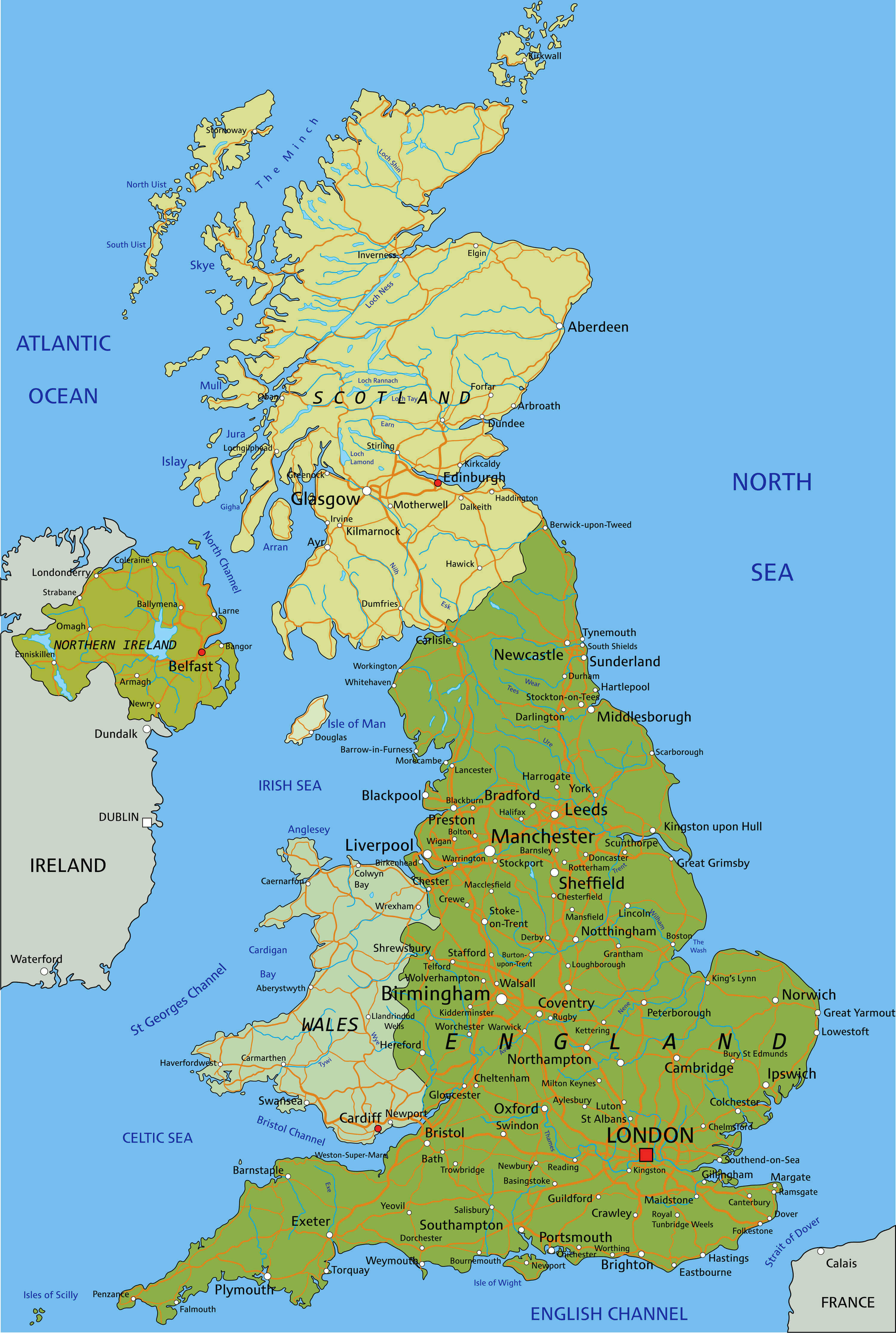
The Burnham government has highlighted the £2 cap as a vital tool for residents in rural and coastal areas, where single bus fares have historically been higher than the national average. By standardizing the cost at £2, the policy seeks to alleviate the financial burden on lower-income passengers who rely on these routes for daily travel.
The current landscape of bus pricing underscores why such interventions are being prioritized. Currently, the average single adult bus fare in England is approximately £2.80, though prices in more isolated rural locations can climb to more than £5. By capping these costs, the government aims to provide a sense that help is coming
as part of its broader mandate to act as a cost of living government,
according to remarks made by the Prime Minister during a recent cabinet meeting.
Implementation Timeline and Operational Scope
The new fare structure is set to take effect on 1 January 2027. This rollout applies specifically to participating bus operators outside of the London transit network. While the government has also allocated £150 million to fund a separate £3 cap for the 2025 calendar year, the move toward the £2 limit does not explicitly reference a return to a previous pricing structure.
The logistical success of the policy depends on the cooperation of regional bus companies. The Week noted that more than 130 operators outside London will cap bus fares at £2 from next month, which includes specific protections such as freezing children’s tickets at £1 for a single journey.
Broader Economic Context of Recent Policy Decisions
The bus fare cap is one of several cost-saving measures announced by the government this week. These efforts follow the introduction of a VAT cut on household electricity bills, signaling a concentrated effort to address household expenses. However, the administration’s reliance on scrapping other initiatives—specifically a digital ID scheme—to pay for these policies has already triggered an early legislative row over funding stability.
Sources: bbc.co.uk.
Keep reading

Register of British Slave Traders Details 10,500 Investors
New research from a three-year specialist project has published the Register of British Slave Traders, documenting biographical details...

Trump Says US Should Have World’s Lowest Interest Rate Ahead of Fed Meeting
President Donald Trump declared on September 13, 2026, at the Irish Open in Doonbeg, Ireland, that the United...
Central Banks Face Rate Decisions Amid Surging Inflation and Oil Pressures
Central banks across the US, UK, and Japan face pivotal interest rate decisions this week amid turbulent global...

German Firms View China Expansion as Opportunity Amid Narrowing Window
German companies in China increasingly view the international expansion of local businesses as a major business opportunity, though...