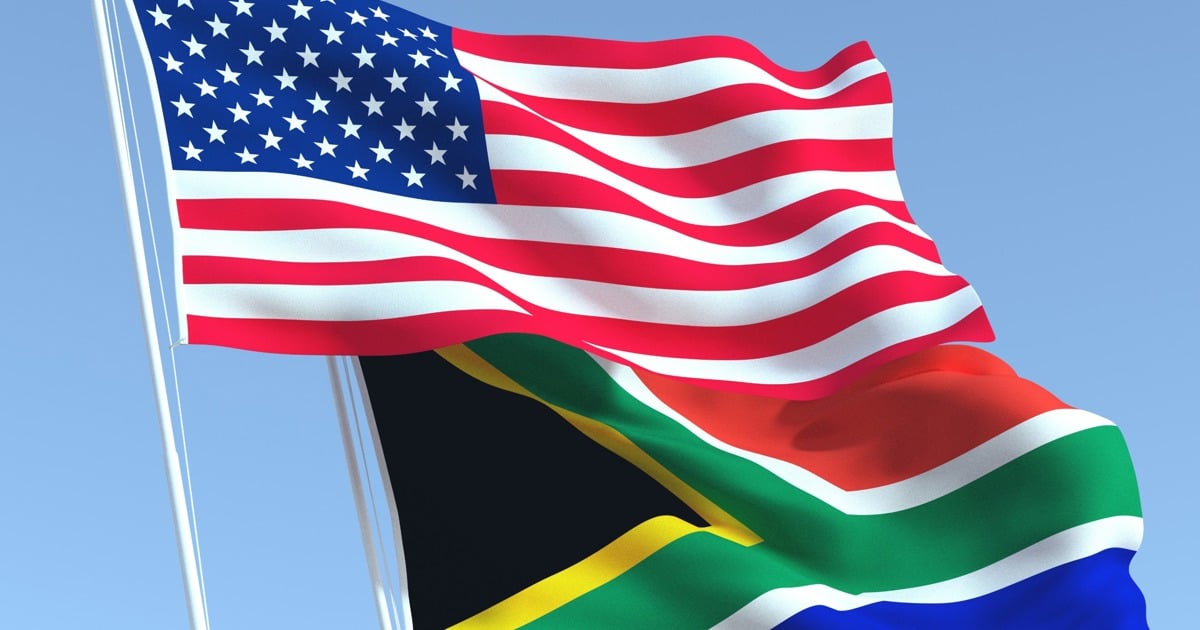
The United States implemented new tariffs on South African exports on Friday, 24 July, placing the country into its highest tariff tier over alleged failures to enforce bans on forced-labor imports, according to reports from EWN. The new duties are enacted under Section 301 of the US Trade Act of 1974, as detailed by businesstech.co.za.
US Imposes 12.5% Section 301 Tariffs on South African Exports
The measures subject South Africa to a flat 12.5% duty on affected goods entering the American market, according to Daily Maverick. The United States Trade Representative (USTR), headed by Jamieson Greer, determined that 60 economies failed to effectively prohibit or enforce bans on importing goods produced wholly or in part with forced labor, which Washington deemed an unreasonable burden restricting US commerce.
Diplomatic Pushback and Tiered Classifications
Prior to the implementation, South African officials engaged in diplomatic lobbying to prevent the duties. A delegation led by the Department of Trade, Industry and Competition (DTIC) appeared before the USTR during public hearings to argue that the country already maintains legislation prohibiting forced labor, anti-trafficking laws, customs laws, and has ratified relevant International Labour Organisation fundamental conventions, as reported by businesstech.co.za. Trade, Industry and Competition Minister Parks Tau previously asked Washington to provide evidence regarding alleged imports of goods produced with forced labor.
/file/attachments/orphans/UHOMISTJPFLX3F4NX2BAKFYTDAjpg_744661.png "Photo: Daily Maverick")
Despite these submissions, the USTR concluded that maintaining a legal framework is distinct from explicitly forbidding the importation of such goods. As a result, South Africa was placed in the upper tariff tier alongside countries including China, Japan, and South Korea. Meanwhile, a 10% tariff tier was established for economies that either impose a forced-labor import prohibition without yet effectively enforcing it, have commitments in reciprocal trade agreements, or maintain a partial preventive regime. Countries in the lower tier include Canada, the United Kingdom, India, and the European Union.
Impact on Key South African Industries and Exemptions
The 12.5% tariff affects several of South Africa’s largest export industries to the United States, including automotive manufacturing, agriculture, metals, and broader manufacturing, according to businesstech.co.za. The United States is a crucial market for South African agriculture, accounting for close to 4% of the country’s $15.1-billion agricultural exports in 2025, with major trade spanning citrus, berries, grapes, wine, fruit juices, apples, pears, apricots, and nuts, notes Daily Maverick.
However, exporters received some relief as certain major agricultural products and sector-specific goods remain exempt from the new Section 301 levy. Goods already subject to separate US duties—such as steel and aluminium—along with certain fertilisers and energy products, are excluded from the additional charges, according to businesstech.co.za. Wandile Sihlobo, chief economist at the Agricultural Business Chamber of South Africa (Agbiz) and the country’s Presidential Envoy on Agriculture and Land, noted that the 12.5% rate is well below the 30% level that had previously been threatened during the previous year’s trade friction, leaving key agricultural sectors able to continue doing business fairly well in the US market.
Worth a look
Canada Seeks Unique EU Alliance Amid US Trade War
Canadian Prime Minister Mark Carney addressed reporters in Toronto on Sunday, outlining a new diplomatic and economic direction...

Israeli Attacks in Gaza Kill Pregnant Woman and 10 Others
A pregnant Palestinian woman was shot and killed by Israeli forces in southern Gaza as artillery shelling and...
Iran and Gulf Nations Postpone Oman Talks Over Regional Consensus
The delay comes as oil prices fluctuate, U.S. economic sanctions expand, and military tensions in the region escalate...
After Louvre Heist, Robberies Continue at French Museums
Following a dramatic daytime heist at the Louvre, a string of break-ins has struck museums and churches across...