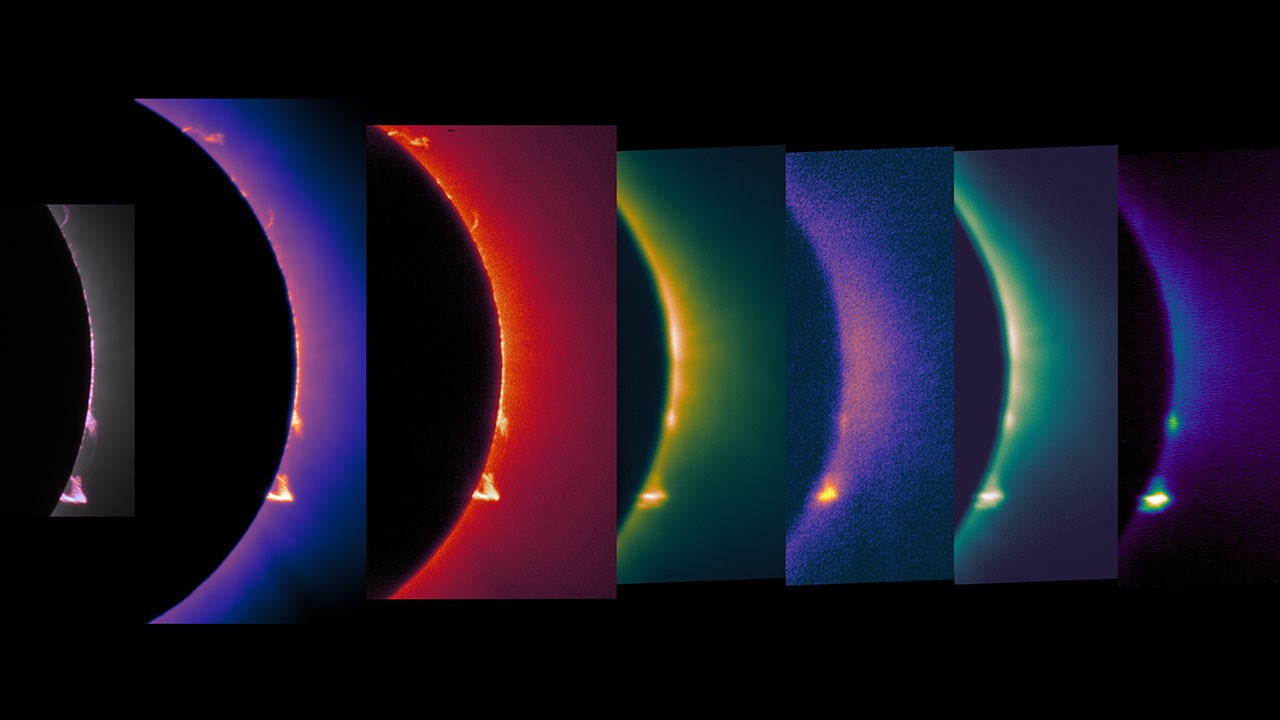
On August 12, 2026, millions across Europe will witness a rare total solar eclipse, with totality visible across northern Spain, Iceland, Greenland, and northeastern Portugal.
Where to Watch the Eclipse Across the UK and Europe
The celestial alignment on August 12, 2026, brings a major astronomical event to European skies, marking the first opportunity for many residents to experience totality. According to the ESA, northern Spain stands as a prime viewing destination, alongside parts of Iceland, Greenland, and a small area of northeastern Portugal.
Finding the Right Horizon View in the West Country
Hand Measurements and Public Events in Spain
Meanwhile, institutional observers are preparing major public gatherings near the path of totality. The European Space Agency, in partnership with the City of León and the University of León, is organizing a free public event at the Palacio de Exposiciones y Congresos de León. The program features daytime workshops from 10:00 to 14:00 CEST, followed by an evening stage program starting at 18:30 CEST that combines expert commentary and live science talks.
NASA Science Teams Chase the Shadow Aloft
NASA-funded teams are deploying research aircraft and scientific balloons to investigate how the sudden darkening alters Earth’s atmosphere.

Kelly Korreck, eclipse program manager at NASA Headquarters in Washington, emphasized the unique scientific value of the event. From our unique perspective on Earth during a total solar eclipse, scientists can study the Sun’s corona in a way we can’t from anywhere else in the solar system,
Korreck said, noting that understanding solar influence protects satellites and astronauts.
NASA’s WB-57 high-altitude research aircraft will soar at 50,000 feet, flying at 460 miles per hour along the eclipse path to extend observation time. Principal investigator Amir Caspi of the Southwest Research Institute in Boulder, Colorado, pointed out the evolving nature of the research. The Sun is always changing,
Caspi said. Every eclipse is different. So we could see things we didn’t see before. And we learn from each eclipse how to better observe the next one.
Keep reading
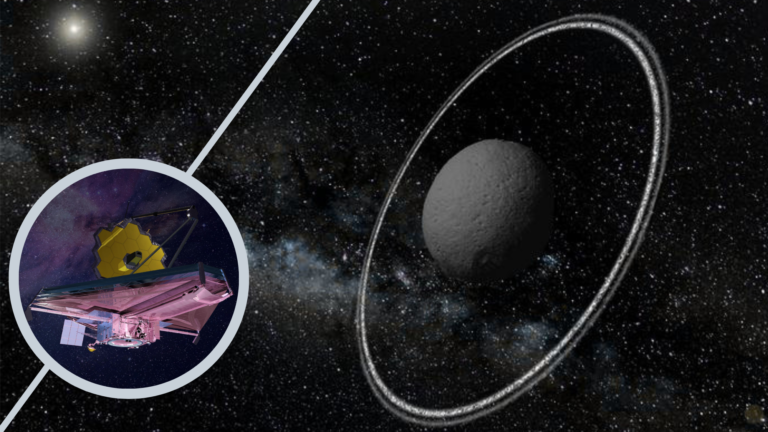
Webb Telescope Finds Chariklo’s Rings Are Changing Over Years
Astronomers using the James Webb Space Telescope (JWST) have discovered that the two narrow rings surrounding the distant...

SpaceX Launches Final Three O3b mPOWER Satellites for SES
SpaceX successfully launched the final three O3b mPOWER satellites for SES on September 13, 2026, from Cape Canaveral...

Japan Launches Kaguya Spacecraft to Map Moon in 2007
On September 13, 2007, Japan launched its advanced Kaguya spacecraft from the Tanegashima Space Centre aboard an H-IIA...

Astronomers Identify Eos, a Massive Molecular-Hydrogen Cloud Near the Sun
Astronomers have identified Eos, a massive molecular-hydrogen cloud located roughly 300 light-years away and spanning 40 full-Moon widths...