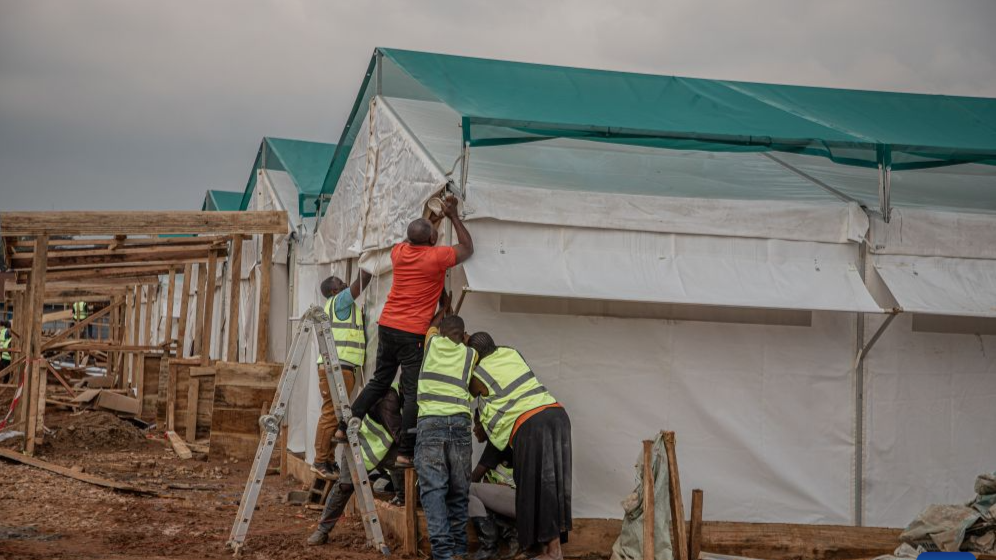
The Ebola outbreak in the Democratic Republic of the Congo has surpassed thousands of confirmed cases, outstripping local response capacities amid ongoing insecurity, displacement, and armed conflict in the country’s eastern provinces as health officials struggle to maintain contact tracing coverage and secure sufficient international financing.
The Democratic Republic of the Congo is grappling with the largest Ebola epidemic in its history, an outbreak driven by the Bundibugyo ebolavirus strain that has continued to expand rapidly across five provinces. According to a report released by the DRC’s public health authority, the central African nation recorded 3,874 confirmed cases and 1,751 confirmed deaths, bringing the crude fatality rate to 45.1 percent. The World Health Organization confirmed the unprecedented scale of the crisis, noting that cumulative figures reached 3,605 confirmed cases and 1,587 deaths specifically within the DRC, accompanied by a 44 percent case fatality ratio in official WHO reporting data.
Escalating Geographic Spread and Treatment Pressures
Originally confined to the Mongbwalu health zone in Ituri Province, the outbreak has since penetrated 51 health zones across Ituri, North Kivu, Haut-Uele, Tshopo, and South Kivu. Ituri remains the primary epicenter, accounting for 87.1 percent of all confirmed cases. During the most recent complete reporting week, epidemiological week 30, health authorities logged 567 new cases and 296 deaths, marking the highest weekly totals recorded to date and illustrating an exceptional transmission pace.
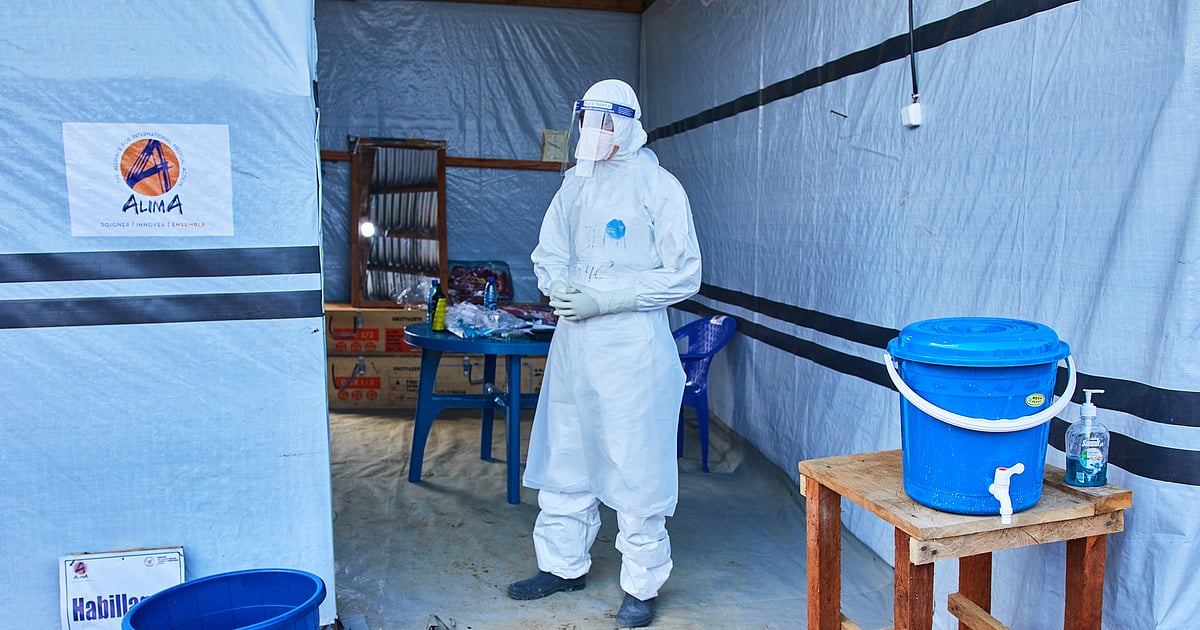
Frontline treatment centers are operating under severe operational strain. Public health figures show that a significant proportion of recorded deaths occur within local communities rather than inside dedicated Ebola treatment centers.
Gaps in Contact Tracing and Regional Security Pressures
Containment efforts face steep barriers due to regional insecurity, population displacement, and community mistrust. Overall contact tracing coverage has slipped to 78.4 percent, falling well short of the 95 percent operational target deemed necessary by the WHO to suppress transmission.

Armed violence and localized attacks have repeatedly disrupted medical operations. In response, the United Nations deployed a mobile peacekeeping base near Nyakunde after an Ebola treatment center was vandalized, allowing health workers to resume operations in an area that has registered 114 confirmed cases.
Concurrently, clashes between the Congolese armed forces and the Rwanda-backed M23 armed group in South Kivu have heightened fears of cross-border displacement. United Nations human rights chief Volker Turk called for an immediate cessation of hostilities, noting the grave risks that intensified fighting poses to civilian safety and regional disease control.
Diagnostics, Funding Gaps, and Experimental Trials
Despite diagnostic hurdles, laboratory infrastructure has expanded significantly. Testing capacity has scaled from 30 tests per day in the capital of Kinshasa to more than 2,000 tests daily across decentralized laboratories in the affected provinces. The World Health Organization has appealed for funding to strengthen its regional response, though specific amounts are not detailed in the sources.
Because no proven vaccine or specific antiviral treatment currently exists for the Bundibugyo ebolavirus strain, researchers have accelerated clinical trials under pre-developed protocols. The PARTNERS treatment trial is evaluating experimental therapeutics across three sites in Ituri with more than 50 enrolled patients. Meanwhile, a separate trial assessing obeldesivir, an oral antiviral, is monitoring more than 25 high-risk contacts to determine whether a 10-day prophylactic course prevents disease onset after exposure.
Vaccine development is also advancing.
During an assessment mission to Bunia, Africa Centres for Disease Control and Prevention Director-General Jean Kaseya emphasized the urgency of immediate intervention alongside WHO representatives. Every delay gives the virus more ground,
Kaseya stated, highlighting comprehensive contact tracing, worker protection, and decentralized testing as non-negotiable priorities for breaking transmission chains.
Related reading
Congo Begins Bundibugyo Virus Vaccinations for Health Workers in Bunia
Congo launched Ebola vaccinations in Bunia on Saturday for healthcare staff and frontline workers in the deadliest outbreak...

UK Government Urges Everyone to Take Daily Vitamin D Pill from October 1
People across the UK have been urged by the Government to begin taking a daily vitamin D supplement...

Chronic Stress And Inflammation Cause Silent Structural Heart Damage
A major UK study of nearly 480,000 adults reveals that chronic stress and long-term inflammation cause silent, lasting...

Max Planck Institute Unveils New Tools to Identify Pathogenic Variants
Researchers at the Max Planck Institute for Molecular Genetics have unveiled new bioinformatics tools called Dicast and TandemTwister...