U.S. Citizen Infected with Ebola in Democratic Republic of Congo
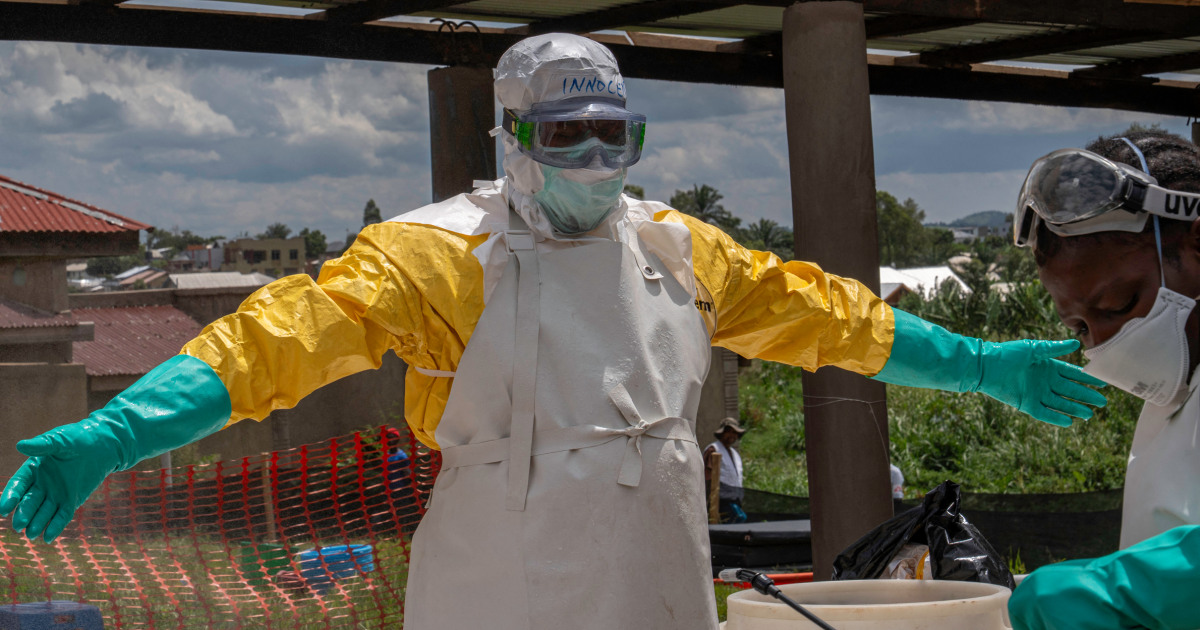
A U.S. citizen working for a humanitarian organization in the Democratic Republic of the Congo (DRC) has tested positive for the Ebola virus, the U.S. Centers for Disease Control and Prevention (CDC) confirmed on Friday. The individual was supporting the outbreak response in Bunia, the capital of Ituri Province, which serves as the epicenter of the crisis.
The U.S. State Department confirmed it is aware of the case and is actively facilitating support for the affected citizen. The CDC is collaborating with the patient’s employer, federal agencies, and Congolese public health authorities to conduct contact tracing and implement measures to prevent further transmission of the virus.
Outbreak Driven by Rare Bundibugyo Strain
Health officials have identified the pathogen as the Bundibugyo strain of the Ebola virus. This rare variant, first discovered in Uganda in 2007, is known to cause severe hemorrhagic fever. Unlike the more common Zaire strain, there are currently no approved vaccines or validated therapeutic treatments for the Bundibugyo virus.
According to the Africa Centres for Disease Control and Prevention (Africa CDC), the current situation is the fastest-growing Ebola outbreak ever recorded on the continent. As of the latest reports, there have been 1,830 confirmed cases and 648 deaths in the DRC, with additional cases confirmed in neighboring Uganda. The outbreak was officially declared by Congolese authorities on May 15, following a period of weeks during which the virus was transmitting without official detection.
Risks to Humanitarian Responders
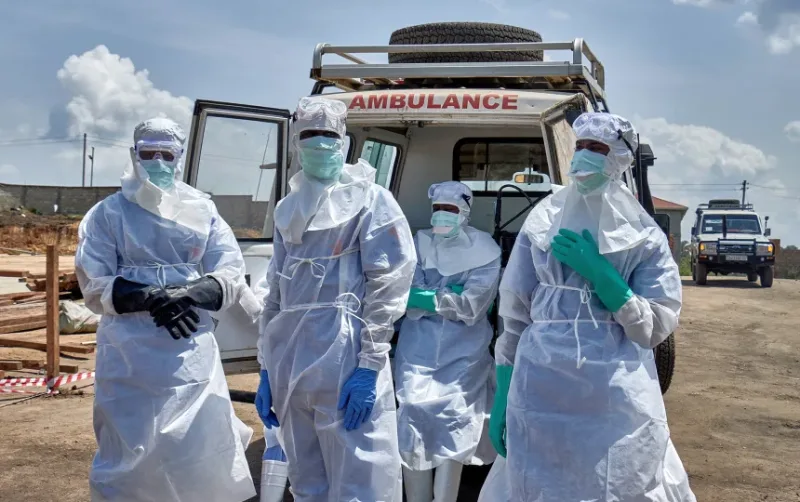
Data from the African Union’s specialized public health agency indicates that at least 112 healthcare workers have been infected during this outbreak, with 35 fatalities recorded among them. Africa CDC Director-General Jean Kaseya emphasized the need for better protections for those managing the crisis. “Reliable protective equipment, strong infection prevention systems, continuous training, psychosocial support and safe working conditions are essential for every person delivering this response,” Kaseya stated. The agency has urged organizations in the region to strengthen occupational safety measures and ensure prompt reporting of suspected symptoms.
Challenges in Containment and Logistics
Efforts to curb the spread of the virus face significant obstacles, including an ongoing conflict in eastern Congo, frequent attacks on health centers, and a persistent funding gap. While clinical trials for potential treatments began recently, the lack of established countermeasures has complicated the response.
The situation has also reignited political and legal debates regarding how the U.S. manages exposed citizens. Previously, there were plans to utilize a specialized quarantine and observation facility at the Laikipia Air Base in Nanyuki, Kenya, to avoid flying exposed Americans directly home. However, that project was suspended following a legal order from a Kenyan court.
In the early stages of the current outbreak, an American missionary doctor, identified as Dr. Peter Stafford, contracted the virus while treating patients in the DRC. He was subsequently evacuated to Germany for treatment, where he eventually recovered. More recently, France also reported an imported case of the Bundibugyo Ebola virus involving a humanitarian worker who had been operating in the DRC.

Current Status of the Response
| Metric | Reported Data |
| :— | :— |
| Confirmed Cases | 1,830 |
| Confirmed Deaths | 648 |
| Healthcare Workers Infected | 112 |
| Healthcare Workers Deceased | 35 |
To address the escalating crisis, Africa CDC Director-General Jean Kaseya and World Health Organization (WHO) Director-General Tedros Adhanom Ghebreyesus are scheduled to visit the epicenter in Bunia on July 18 and 19. The joint mission aims to meet with national authorities, frontline responders, and affected communities to accelerate the international response to the outbreak.
Find more reporting in our Health section.
PPARD Activated in Immune Cells Becomes Cancer-Fighting Tool
Researchers at Cold Spring Harbor Laboratory and the Massachusetts Institute of Technology have discovered that the lipid-sensing transcription...

Salk Institute Finds SRF3 Protein Restores Plant Iron Balance
Researchers at the Salk Institute discovered on October 14, 2026, that the plant protein SRF3 repairs cellular iron...
Vatican announces Pope Leo XIV has lung cancer after successful surgery
Pope Leo XIV underwent successful surgery at Rome’s Gemelli Hospital to remove a cancerous nodule from his right...

Max Planck Researchers Discover How Sequence Changes Prevent mRNA Errors
Researchers at the Max Planck Institute for Multidisciplinary Sciences discovered why ribosomes slip when reading modified mRNA and...