French cinema professionals and actors, including Juliette Binoche and Mark Ruffalo, published an open letter opposing Canal+ and media billionaire Vincent Bolloré. The dispute centers on a cinema chain acquisition, far-right political ties, and a clash over France’s historic cultural funding protections.
An Open Letter and a Growing Boycott at Cannes
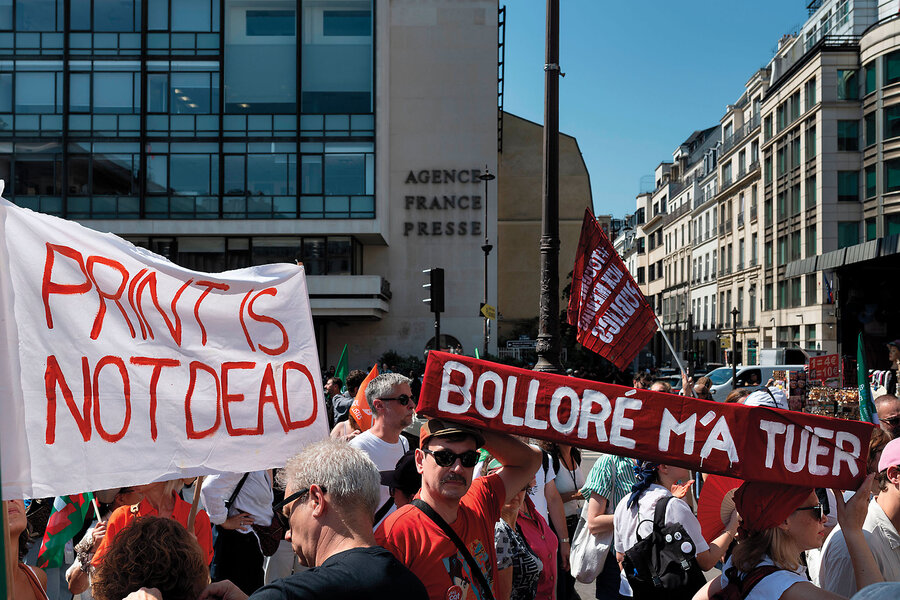
The Cannes Film Festival shifted from a standard cinematic showcase into a heated battleground for France’s cultural landscape. What began as a dispute over media consolidation quickly escalated when 600 actors, directors, producers, and technicians published an open letter in Libération, a left-leaning daily newspaper. The signatories took direct aim at Canal+, the nation’s largest private film financier, and its controlling figures over the company’s acquisition of the cinema chain UGC.
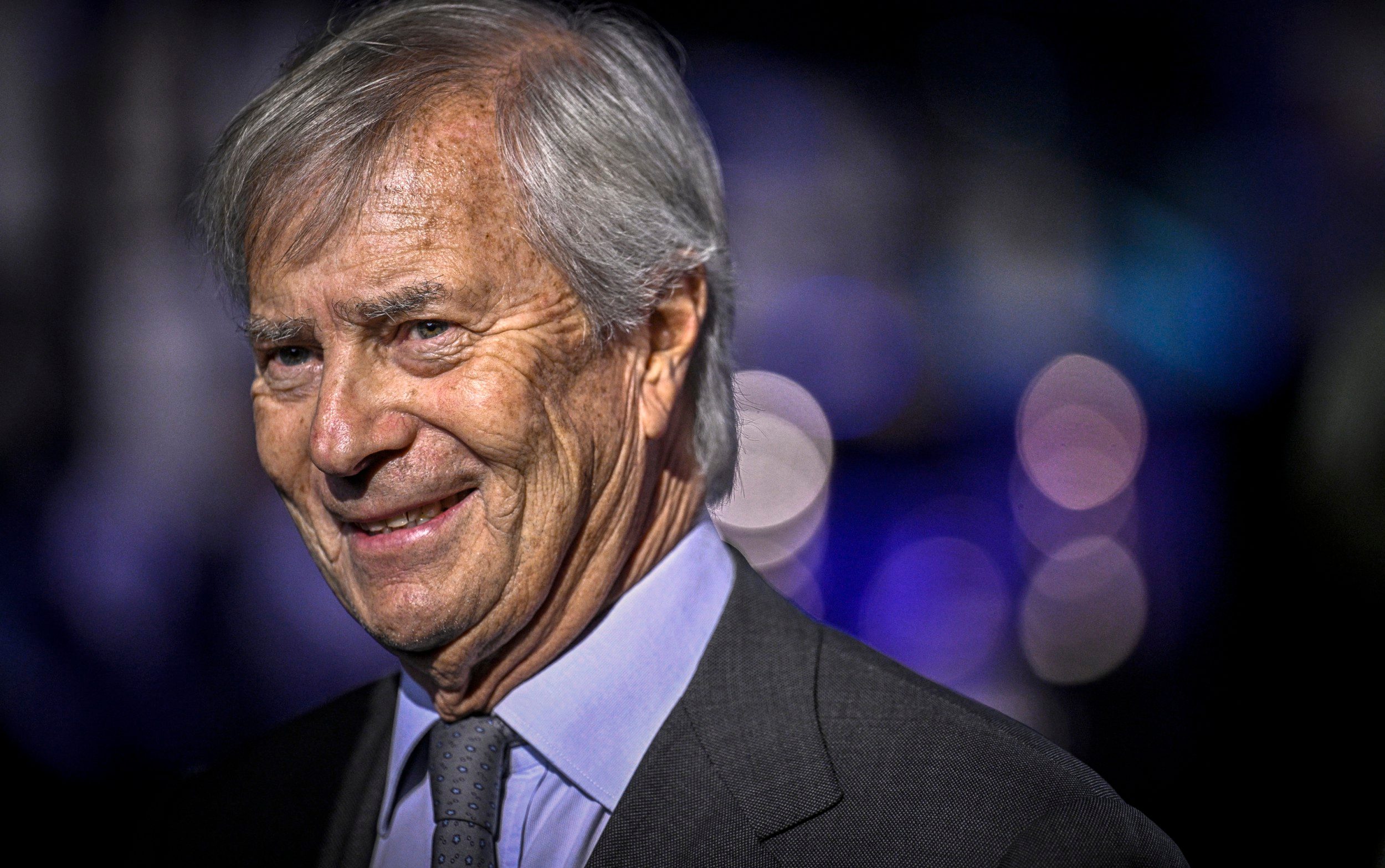
The backlash expanded rapidly as the signatory count climbed to roughly 3,500 creative professionals. The roster includes notable international and French talent such as Juliette Binoche, Mark Ruffalo, Javier Bardem, and Adèle Haenel. Their core objection targets Vincent Bolloré, the conservative billionaire whose media empire encompasses Vivendi, Canal+, and a slate of publishing houses and broadcast outlets. Critics accuse the mogul of pursuing a civilisational project – reactionary and far Right
through his expanding corporate reach.
Hostilities intensified during a producers’ brunch at Cannes when Maxime Saada, chairman of Canal+, responded sharply to the critics. He announced a firm split from the petition’s supporters, stating I no longer wish Canal to work with the people who signed this petition
and adding that he could not accept working with individuals branding his team crypto-fascist.
Far from quashing the dissent, the blacklist warning caused the number of signatories to double overnight.
The Stakes for France’s Cultural Exception
The friction points directly to France’s long-standing legal framework protecting artistic independence. Since the French Revolution, the nation has prided itself on its cultural exception,
an ethos supported by laws designed to insulate art and literature from purely commercial pressures. In 1791, the country ratified statutory protections for droit d’auteur
—author’s rights—anchoring moral ownership directly to the creator rather than corporate investors.
Public support structures reinforce these legal foundations. Established in 1946, the state-run French National Centre of Cinema underwrites hundreds of films annually via tax breaks and public subsidies, setting the domestic industry apart from Hollywood’s box-office-driven model. Creators argue that these safety nets are essential for independent expression. The state-backed network was built to protect writers and actors in France, according to Sepideh Farsi, who noted that the protective architecture cannot be undone from one day to the next.
Yet critics argue that private capital can still shift the output of creative industries. Over the past decade, the Bolloré group expanded across radio, television, and publishing. The business portfolio includes CNews—France’s most-watched television news channel—the weekly paper Le Journal du Dimanche, and Lagardère Publishing. The recent acquisition of a 34% stake in UGC through Canal+ gives the group a footprint spanning production, distribution, and exhibition.
Political Divides and Right-Wing Defenses
The standoff illuminates deep political polarization ahead of the presidential election cycle. While critics warn of an expanding nationalist narrative across media acquisitions, defenders on the political right argue that subsidized artists are unfairly attacking the private company funding their work. David Lisnard, the conservative mayor of Cannes and a presidential contender, asserted that the protesting signatories had bitten the hand that feeds them
and should have kept quiet.
That sentiment found strong backing within the National Rally. Philippe Ballard, a National Rally member of parliament and former television presenter, dismissed the backlash as a insular cultural clique protecting its status quo. He noted that so-called wokeism, often classified as Left-wing, doesn’t like being disturbed in its little habits
and suggested that creators objecting to corporate backing simply decline the funds. If they don’t want Canal+, they just shouldn’t accept Canal+’s money. It’s as simple as that,
he said.
National Rally president Jordan Bardella, whose latest book was published by Bolloré-owned Fayard, framed the upcoming 2027 presidential contest as a fundamental choice of civilisation.
Meanwhile, political figures and defenders point to co-financed projects such as the migrant drama Souleymane’s Story as proof that Canal+ funding continues to support diverse narratives, with Ballard questioning the basis of the censorship claims by asking where the alleged danger resides.
Allegations of Content Interference and Unresolved Pressures
Concerns among creators extend beyond ownership structures to active operational shifts within production pipelines. The Federation of Screenwriters in Europe reported that apprehensions have moved past mere speculation, citing alleged instances where creative works faced direct interference in their financing, their content or their distribution.
The group pointed to specific claims involving two film projects reportedly blocked from securing primary Canal+ funding under restrictive internal guidelines.
As the cultural dispute unfolds against a backdrop of tight public finances and media consolidation, industry participants face high-stakes professional decisions. Directors and actors competing at major festivals must navigate a landscape where the primary private financier of French cinema is locked in a direct ideological war with the creative community it supports.
Worth a look

Newcore Gold Hits High-Grade Gold Intervals at Enchi Gold Project in Ghana
Newcore Gold intersected 2.59 grams per tonne gold over 69.0 metres, including 6.41 grams per tonne over 24.0...
Warren Buffett Steps Down As Berkshire Hathaway Chairman
Warren Buffett is stepping down as chairman of Berkshire Hathaway, capping six decades at the helm of the...
Chiltern Railways Nationalised Under Great British Railways to Boost Capacity
Chiltern Railways will become the tenth rail company nationalised under Great British Railways on Sunday, bringing the operator...
Vodacom, Kenya government appeal ruling threatening $1.6 billion Safaricom stake deal
Kenya's government and South Africa's Vodacom Group announced plans to appeal a High Court ruling on September 15,...