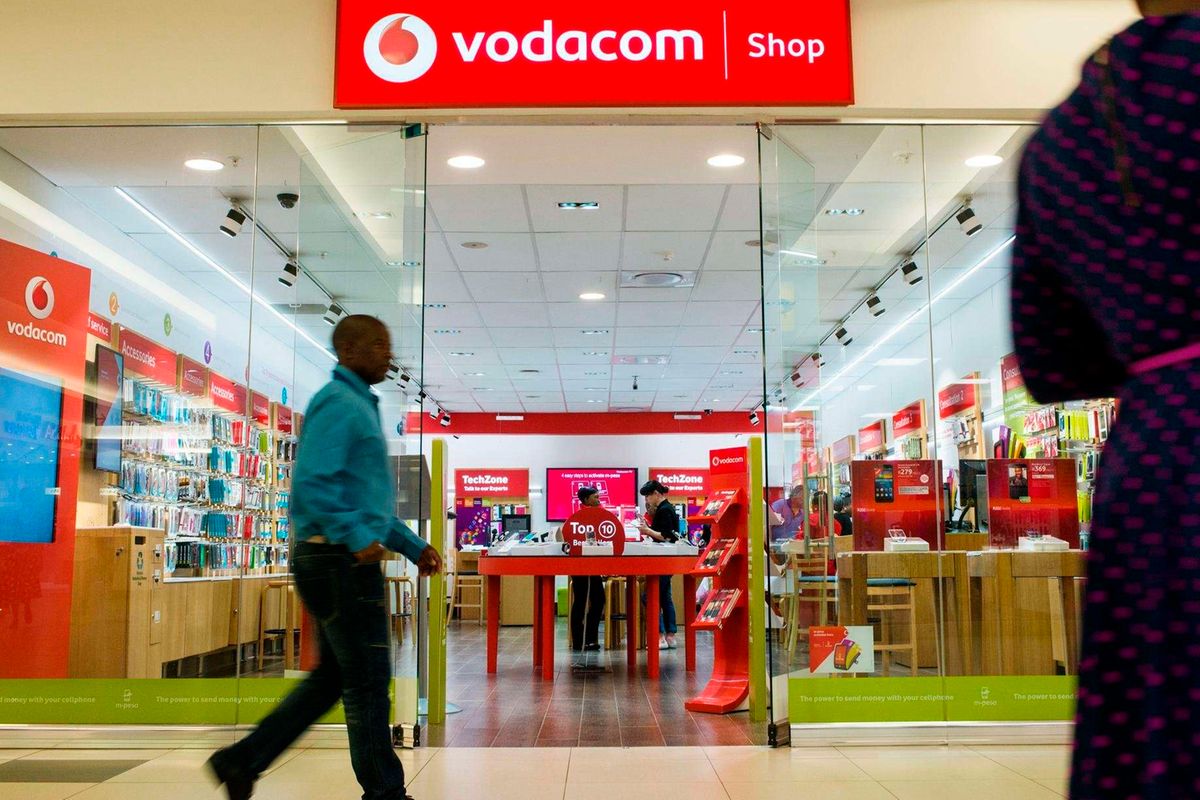
Kenya’s government and South Africa’s Vodacom Group announced plans to appeal a High Court ruling on September 15, 2026, that nullified a $1.6 billion stake sale in Safaricom, citing concealed information and a lack of public participation in a transaction that granted Vodacom majority control.
High Court Nullifies Safaricom Divestiture and Orders Shares Restored
A three-judge bench of the High Court in Kenya delivered a sweeping judgment that invalidated the government’s sale of a 15 percent stake in Safaricom PLC to South Africa’s Vodacom Group. The court ruled that the transaction violated the Constitution and procurement laws, ordering the shares restored to the government on behalf of the Kenyan public.

The ruling followed a constitutional petition challenging the divestiture. The judges held that the state failed to ensure meaningful public participation and engaged in obscurity regarding the transaction’s true nature. The three-judge High Court bench on Tuesday found that the divestiture process failed to meet constitutional and legal requirements, including meaningful public participation. Kenya’s High Court delivered the judgment on September 15, 2026, with a three-judge bench ruling that the transaction failed to undertake meaningful public participation. The Kenya Times reported that the court found there had been concealment of key documents and material information to do with the sale and declared the deal unlawful, null and void. We accordingly find that the Government of Kenya engaged in unexplained obscurity on the identity of the proposed buyer, made misrepresentation and concealed material information in respect of the partial divestiture throughout the process,
the court documents were quoted as saying.

Disputed Control and National Security Concerns Over Critical Infrastructure
Central to the court’s decision was the finding that the transaction amounted to a takeover rather than a simple partial divestiture. According to the court, the deal bypassed regulatory scrutiny by the Competition Authority and left the public, Cabinet, and Parliament in the dark about Vodacom’s expanding influence. The court on Tuesday said the National Treasury concealed material information regarding the sale of its 15 percent stake in Safaricom, including the fact that it resulted in Vodacom taking a controlling 55 percent stake in the Nairobi Securities Exchange-listed firm.
The South African also simultaneously acquired a 5 percent stake in Safaricom from Vodafone Group, lifting its ownership from the previous 35 percent. The deal was first announced in December 2025, when Vodacom said it had entered into an agreement with the government of Kenya to acquire 15% of Safaricom and an additional 5% from Vodafone, with the deal valued at $2.1 billion at the time. Vital transaction documents, including the share-purchase agreement and dividend rights pact, were shielded from public scrutiny. The deal increased Vodacom’s stake from roughly 40% to 55%, constituting an acquisition of effective control. However, the parties did not disclose this “takeover” to the public, apply for takeover exemptions, or secure Competition Authority approval. Furthermore, the procurement of KCB Investment Bank Ltd. for advisory services was deemed illegal, and the judges ruled that transferring control of a strategic national asset to a foreign entity threatened national security.

Treasury and Vodacom Mount Immediate Legal Challenges
Speaking to the media in Kisumu on Wednesday, Mbadi said the government would use the Court of Appeal to challenge findings that the divestiture violated constitutional and legal requirements, including public participation and procurement rules. The National Treasury will pursue this appeal vigorously and provide further updates as the matter progresses through the courts,
Mbadi said. He said Treasury remained confident that the transaction had followed the law and had passed through Cabinet and parliamentary scrutiny. “The divestiture was conceived, developed and presented to Cabinet and the National Assembly as a considered fiscal measure, structured to unlock value for the Exchequer while safeguarding the strategic character of an institution that touches the daily lives of over 50 million Kenyans,” he said. The CS said the government disagreed with the court’s findings on public participation, arguing that extensive consultations had been undertaken before the transaction was approved.
.jpg?disable=upscale&width=1200&height=630&fit=crop "Photo: connectingafrica.com")
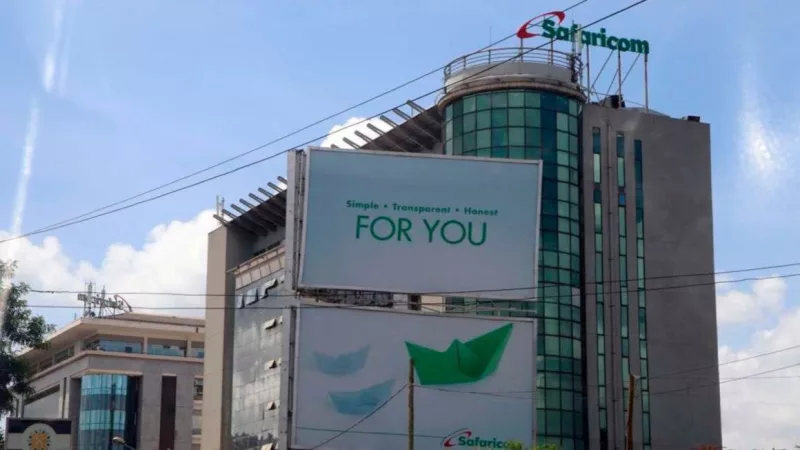

Similarly, Vodacom confirmed it is reviewing the judgment and pursuing interim legal protections. South Africa’s Vodacom Group says it will file an appeal besides seeking a stay order to retain its majority ownership in Safaricom, after Kenya’s High Court nullified its acquisition of an extra 20 percent stake in the telco on June 30, 2026. The multinational says it will file an application to the Court of Appeal in the wake of the High Court’s decision. Subsequent to the Appeal Order, the High Court of Kenya provided a judgment on a petition against the acquisition, which judgment was handed down on September 15, 2026. Vodacom will review the judgment, and its implications,
the Midrand-based firm said in a market update.

Financial Stakes and President Ruto’s Economic Agenda
The initial transaction generated 204.3 billion shillings ($1.6 billion), supplemented by an additional 40.2 billion shillings received as an advance against future dividends. If the appeal fails, the cash-strapped Kenyan government may face refunding approximately $1.9 billion (R31 billion) to reverse the transaction. The legal uncertainty has already registered on financial markets. Vodacom shares dropped by nearly 4 percent on the Johannesburg Stock Exchange before recovering ground, while Safaricom shares gained up to 2.2 percent on the Nairobi exchange. The reversal threatens a key pillar of President William Ruto’s administration, which relies heavily on asset privatizations to fund a $39 billion infrastructure pipeline designed to stimulate Kenya’s $141 billion economy amidst heavy debt repayment obligations.
Worth a look

Top 20 Private Equity Firms Rank Fifth Globally for Greenhouse Gas Emissions
The energy portfolios of 20 major private equity firms produce 1.5 gigatons of greenhouse gas emissions annually, placing...

CBA Workers Sign Petition Demanding Better Pay Amid Record Profit
Thousands of Commonwealth Bank of Australia workers have signed a petition demanding better pay and conditions, calling the...
England And Wales Pubs And Shops Permit Digital ID Apps For Age Verification
Pubs and shops across England and Wales can now accept government-approved digital ID apps for age verification under...