South Africa is pushing for Africa-wide migration talks after domestic anti-immigration protests and a deadly border crossing in Ceuta. The African Union rejected a Ghanaian proposal to put South Africa’s migration tensions on its October agenda, prompting national leaders to seek broader regional discussions this month in Durban.
Diplomatic Friction at the African Union and SADC Summits
South Africa is navigating intense diplomatic fallout following domestic anti-immigration protests that have forced many migrants to leave the country. Rather than facing the issue alone, South African officials are pushing for a continent-wide dialogue to address root pressures. The 55-member African Union rejected a proposal brought forward by Ghana last week to place South Africa’s migration tensions on the agenda for the bloc’s upcoming coordination meeting in October.
South Africa opposed Ghana’s move, arguing that singling out one nation ignores a continent-wide crisis. Instead, the divisive migration situation is expected to take center stage later this month at a Southern African Development Community summit held in South Africa. The meetings in the South African city of Durban are expected to gather representatives from Malawi, Mozambique, and Zimbabwe, all of which have been actively repatriating their citizens from South Africa.
International Context and the Push-Pull Factors of Migration
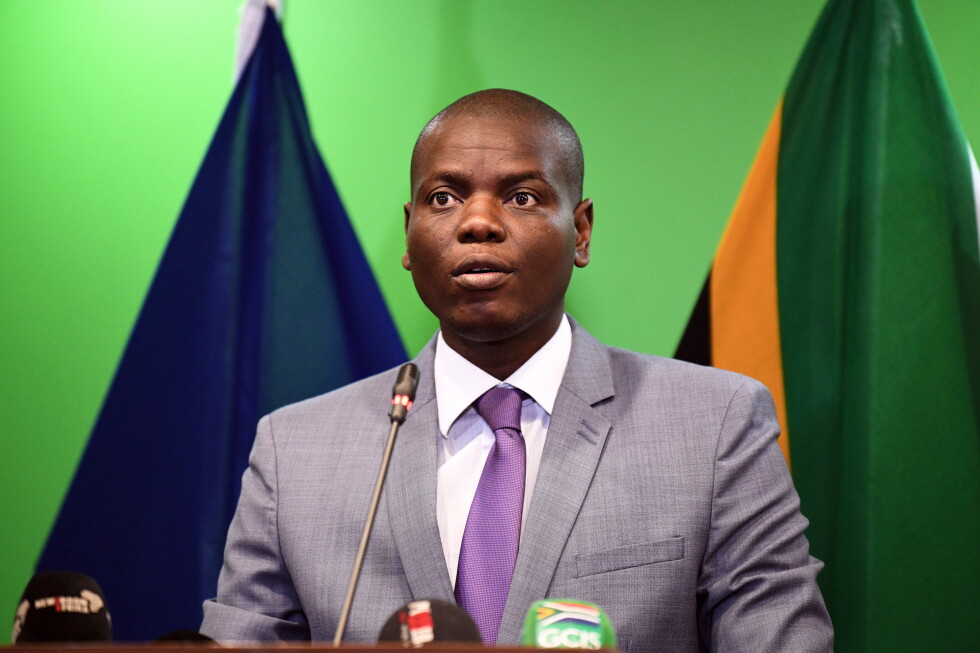
South Africa’s International Relations Minister Ronald Lamola addressed the broader scope of the crisis, noting that discussions must examine irregular migration across multiple regions, including North Africa. Lamola specifically linked domestic pressures to international events, pointing to a chaotic crossing of thousands of migrants from Morocco into the Spanish territory of Ceuta that left more than 80 people dead.
In the past two weeks, Lamola met with various national officials, including Ghana President John Dramani Mahama and a representative of Nigerian President Bola Tinubu, to build support for a unified approach. South Africa wants to approach the migration issue with a focus on the push-pull factors
resulting in people seeking to migrate from their home countries, according to Lamola.
Domestic Protests, Repatriations, and Border Facility Reductions
Inside South Africa, anti-illegal immigration groups have organized demonstrations calling for the deportation of undocumented migrants. These groups have vowed to continue protesting every Thursday to pressure the government into accelerating deportations, strictly enforcing immigration laws, and tightening border security. Amid the unrest, some migrants have reported facing violent attacks by protesters.

Government data shows that at least 68,000 people were repatriated from South Africa between June and July. This figure includes individuals deported for lacking required documents or entering illegally. While an exact national breakdown remains unclear, the South African government reports that most repatriated nationals originated from Malawi, followed by Zimbabwe and Mozambique.
Reflecting shifting logistical operations, the country’s Border Management Agency has reduced the capacity of its temporary repatriation facility in Musina—located near the Beitbridge border post between South Africa and Zimbabwe—from 20,000 down to 1,500 people.
Related reading

Prince Harry Attends Inaugural Invictus Spirit Awards in London
Prince Harry made his first public engagement in Britain on September 17, 2026, attending the inaugural Invictus Spirit...

African Wild Dogs Set Distance Record With 2,500-Mile Trek Across Zambia
Three male African wild dogs have set a record for the longest-ever recorded single journey by any African...

Edwin Sifuna Draws Scrutiny After High-Level Diplomatic Meetings in Nairobi
Nairobi Senator Edwin Sifuna is drawing intense political scrutiny ahead of the 2027 General Election.
Yemeni Army Reports 13 Soldiers Killed in Fighting With Houthi Forces
Thirteen Yemeni soldiers died in two days of fierce clashes with Houthi forces across Taiz and Lahj, the...