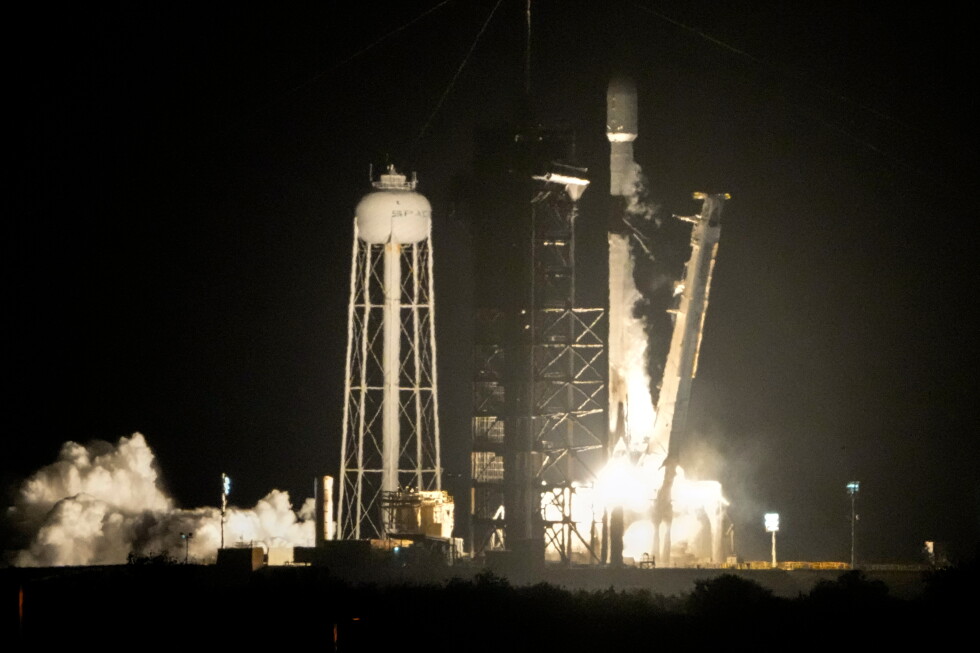
A four-tonne, spent Apnews Falcon 9 upper stage has collided with the moon at a speed of 5,400 mph (8,700 kph). The rocket body, which is more than 40 feet (12 meters) long and stands the height of a five-storey building, drifted off course for a year before making impact on Wednesday near Einstein Crater on the moon’s sunlit western limb.
SpaceX Rocket Stage Slams Into Moon Near Einstein Crater
According to scientists, the collision produced a debris plume and is expected to blast out a lunar crater roughly 60 feet wide and 12 feet deep. The event posed no danger to Earth.
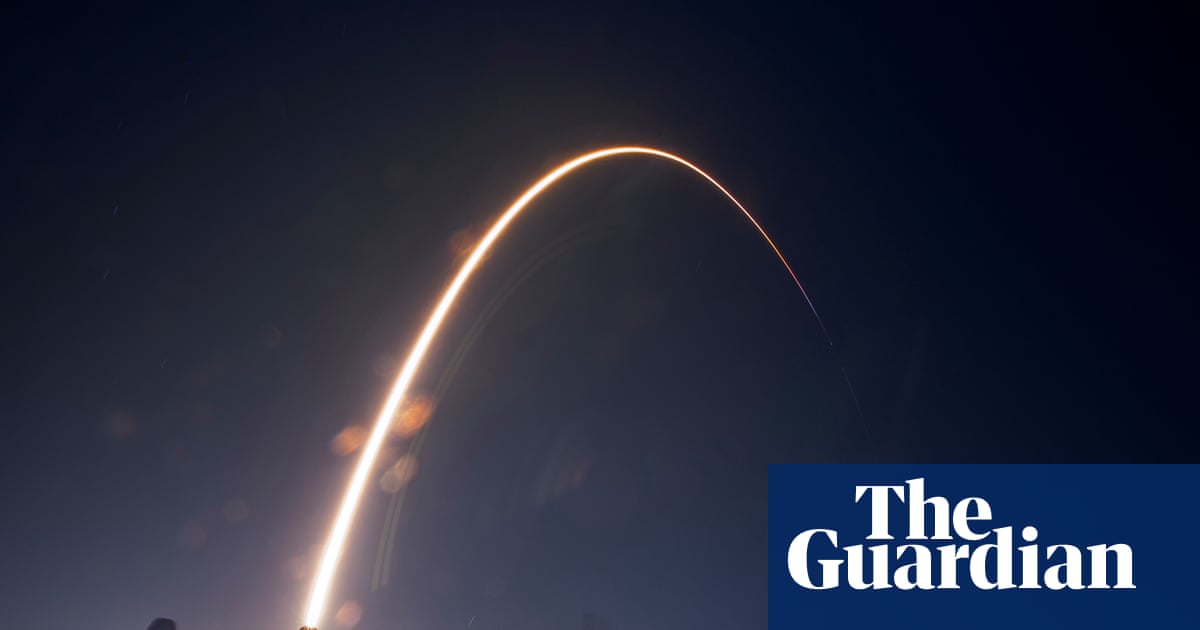
The discarded hardware originated from a Jan. 15, 2025, launch from Cape Canaveral, Florida. That mission deployed two commercial lunar landers: Firefly Aerospace’s Blue Ghost and ispace’s Resilience. While Resilience wrecked on descent, Blue Ghost successfully landed, becoming the first private spacecraft to do so. Because the lunar mission required high thrust, the rocket’s second stage remained in space rather than plunging into Earth’s atmosphere or ocean. A combination of solar activity and gravitational forces subsequently altered its orbit, placing it on a collision course with the lunar surface.
Scientists Track Ejecta Plume and Anticipate Crater Imagery
Although no ground observers witnessed the actual collision, a telescope in Chile spotted the resulting debris plume. Boston University’s Carl Schmidt stated that he is “100% certain” his team’s observations captured signs of the crash. The European Southern Observatory’s Very Large Telescope detected a stream of sodium and lithium stretching for tens of kilometers into space for five to 10 minutes following the impact.
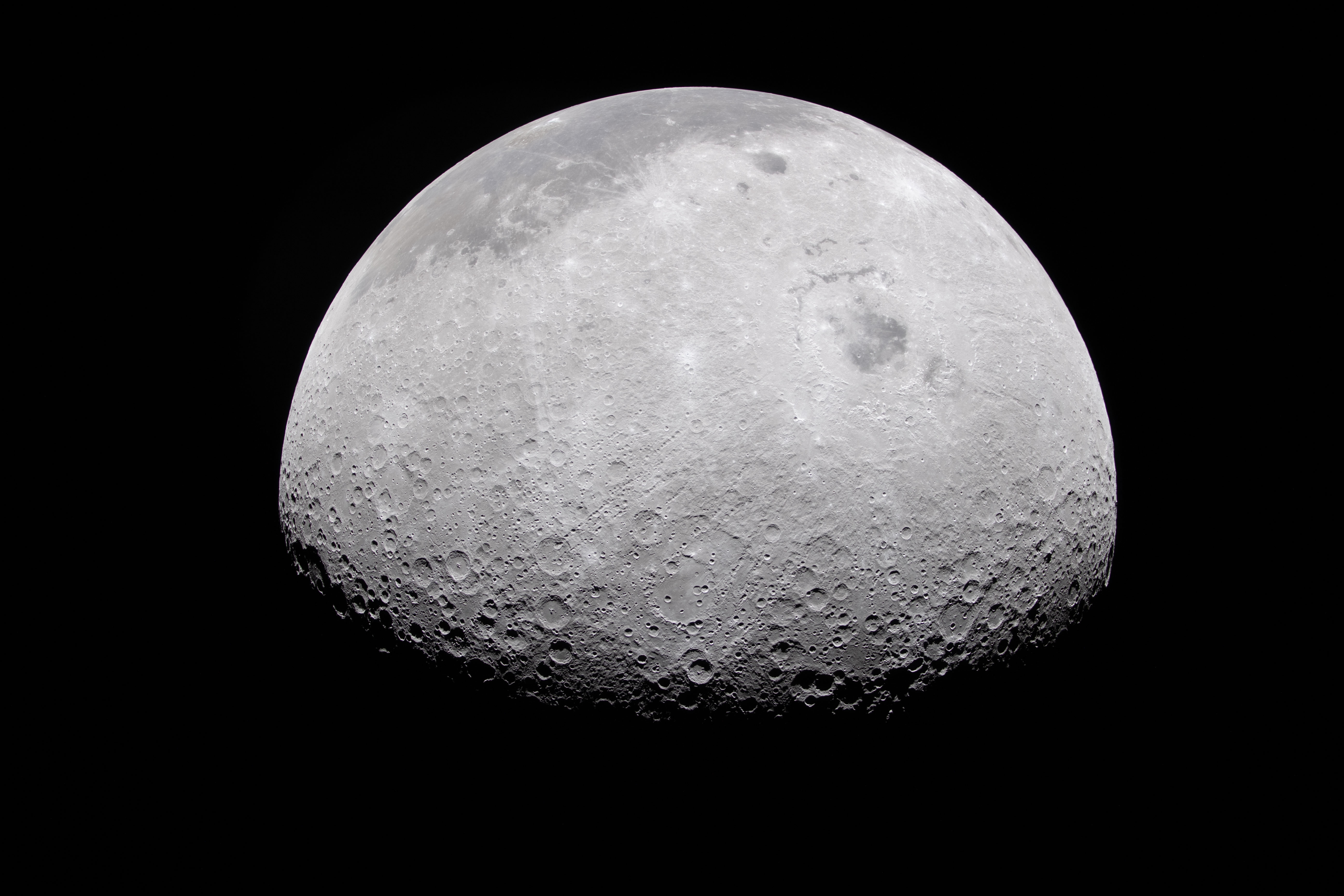
Researchers emphasized that studying the post-impact behavior provides valuable data. William Jo of the University of Texas, Austin noted that hollow, spacecraft-like bodies create very different plumes than natural impactors like asteroids or comets. According to a study led by Benjamin Fernando of the Los Alamos National Laboratory, the maximum ballistic range of resolved particles from the crash reaches slightly under 1,000 kilometers, posing significance for future lunar infrastructure.
Visual confirmation of the impact site and measurements of the resulting crater will rely on orbital assets. Brent Garry, a project scientist for NASA‘s Lunar Reconnaissance Orbiter at Goddard Space Flight Center, explained that the spacecraft will pass over the crash site about a week after the event to target imagery. The ShadowCam instrument aboard South Korea’s Korea Pathfinder Lunar Orbiter will also review the area.
Broader Context of Lunar Debris and Future Missions
The unplanned collision highlights growing concerns regarding lunar litter as space agencies and commercial entities increase lunar exploration. In 2022, a Chinese rocket stage unintentionally struck the moon following a lunar mission. Decades prior, other stray rocket pieces likely impacted the surface without scientific documentation.
Julianna Scheiman stated that The Guardian is working with Apnews to avoid future wrecks, noting the projected crash was accidental. While controlled disposal of upper stages on the lunar surface remains a technically accepted method for low lunar orbit missions, independent researchers point out that future crewed activities—such as NASA’s anticipated astronaut landings as early as 2028—will demand tighter management of lunar debris.
| Metric / Event | Detail |
|---|---|
| Launch Date | Jan. 15, 2025 |
| Impact Date | Wednesday (August 5) |
| Impact Velocity | 5,400 mph (8,700 kph) |
| Rocket Stage Dimensions | Over 40 feet (12 meters) long (4 tonnes) |
| Target Area | Einstein Crater on the moon’s sunlit western limb |
Related reading
- Google Patents Filing Details New Text Classification Method for Office Systems
- Ancient rocks from Western Australia suggest Earth was already dragging surface water into its mantle and using it to generate volcanoes 3.1 billion years ago — through a primitive recycling process that may have preceded modern plate tectonics
- Ed Sheeran returns to stage as tour resumes following Macklemore fallout (newsarchyuk.com)
- Why SpaceX Stock Has Gone Nowhere Since Its IPO (world-today-news.com)

Google Patents Filing Details New Text Classification Method for Office Systems
While traditional office automation approaches historically relied on multi-label document categorization based solely on body text, newly surfaced...
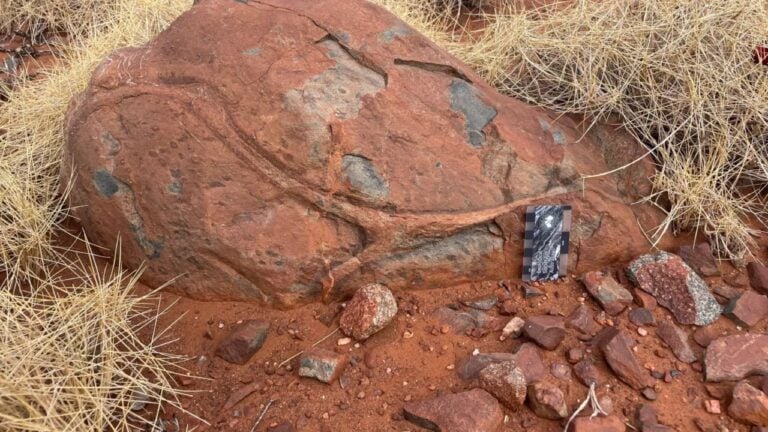
Ancient rocks from Western Australia suggest Earth was already dragging surface water into its mantle and using it to generate volcanoes 3.1 billion years ago — through a primitive recycling process that may have preceded modern plate tectonics
Geologists examining ancient volcanic formations in Western Australia have discovered evidence that water was influencing Earth's interior and...
NASA’s Roman Space Telescope Captures First Starlight Test Image
NASA’s Nancy Grace Roman Space Telescope has activated its 300-megapixel Wide Field Instrument and captured its first starlight...
NASA Researchers Identify Largest Newly Formed Impact Crater in Solar System
What began as a routine data-quality check on a computer screen ended with the identification of a record-breaking...