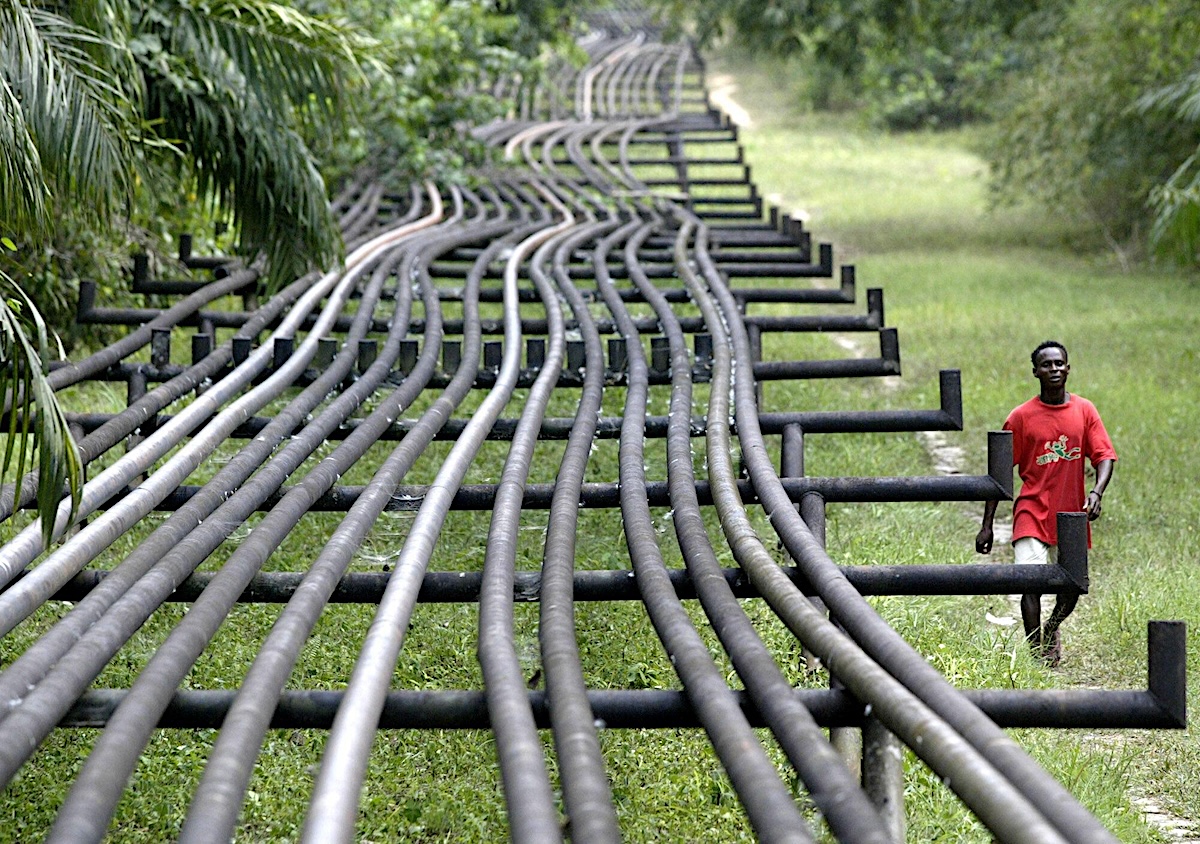
Global supply chain disruptions caused by the Gulf conflict have prompted African energy leaders to demand a shift toward domestic refining. As energy importers face surging costs, stakeholders at the April 2026 African Refiners & Distributors Association Week are prioritizing local production to stabilize markets and reduce dependence on volatile international imports.
The Strategic Pivot to Refining
The recent instability in the Gulf—marked by US strikes on Iran and threats to shipping in the Strait of Hormuz—has exposed the vulnerability of African nations that rely heavily on imported petroleum products. For countries like Kenya, which is 100% reliant on imports, the impact was immediate; diesel prices climbed nearly 25% in April and again in May, Dialogue Earth reported. This price volatility has reignited a continent-wide debate over energy security and the necessity of downstream expansion.

At the African Refiners & Distributors Association (ARDA) Week in Cape Town, NJ Ayuk, executive chairman of the African Energy Chamber, issued a clear directive to industry stakeholders: Refine baby, refine.
Regional Infrastructure and Economic Stakes
For major producers like Angola, the current global energy climate creates a complex fiscal environment. While oil exports account for more than 60% of the state budget and 30% of total GDP, the country remains exposed to the fluctuations of global demand. Flavio Inocencio, a lecturer at Agostinho Neto University, observed that while some producers are reaping short-term financial rewards from the crisis, the reliance on exporting crude remains a long-term risk. The economic stakes are high: Africa requires more than $100 billion in refining investment to meet projected demand growth, a figure that highlights both the scale of the challenge and the potential for capital deployment by financial institutions.
Shifting Patterns in Global Trade
Geopolitical tensions are actively reshaping who buys African energy. As global consumers seek to diversify away from high-risk sources like Iran, African oil has become more attractive in international markets. Dialogue Earth reported that India has increased imports from Nigeria and Angola, while Chinese companies are also looking to African suppliers to avoid sanctioned fuel. This shift is occurring alongside an increase in intra-African oil trade, particularly to nations like South Africa, according to oil and gas expert Dayo Adeshina.
However, this transition faces significant hurdles. Fikayo Akeredolu, a senior research associate at the University of Bristol, notes that African nations are now actively assessing how to buffer themselves against future geopolitical uncertainty. The challenge is compounded by the need to balance traditional oil and gas development with an accelerating renewable energy rollout, which is currently seeing record low costs across the continent.
Barriers to Market Integration
Despite the consensus on the need for expansion, internal barriers continue to frustrate progress. During his keynote address, Ayuk pointed to persistent issues with tariffs, customs, and regulatory fragmentation that limit regional energy trade. Tariffs and customs are so difficult and we need to address that,
he stated, emphasizing that regional alignment is essential to optimize infrastructure.

Industrial Aspirations vs. Energy Poverty
Yet, the path forward remains uncertain. While the industry pushes for free-market policies and reduced taxation to incentivize investment, the continent must also contend with the reality that higher oil prices, while beneficial for producers, increase transport and energy costs for import-dependent consumers. The core question for policymakers remains: can African nations secure the necessary $100 billion in investment while simultaneously managing the inflationary pressures that threaten to dampen economic growth across the continent?
Find more reporting in our World section.
Related reading
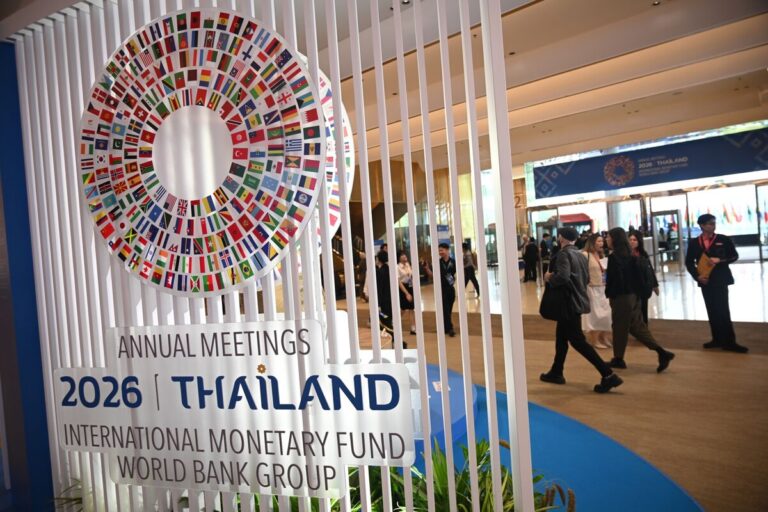
IMF World Bank Meetings Warn of Global Stability Threats
Global finance leaders wrapping up the annual IMF and World Bank meetings in Bangkok on October 18, 2026,...
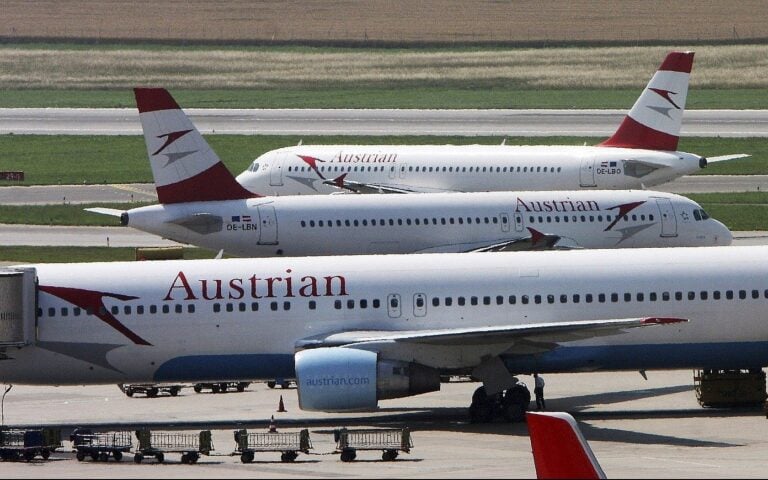
Israel Flight Diverted to Bulgaria After Bomb Threat
An Austrian Airlines flight carrying 57 people from Tel Aviv to Vienna diverted to Sofia, Bulgaria, on October...
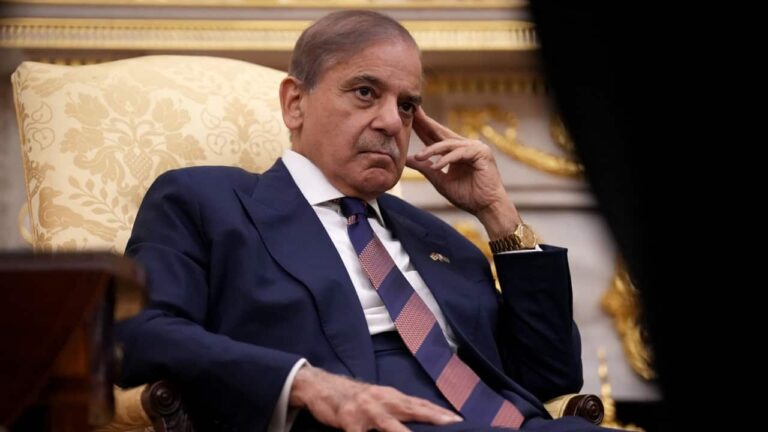
Pakistan to Head International Monetary Fund and World Bank
Pakistan has been selected to chair the Boards of Governors of the International Monetary Fund and the World...
US Seeks Europe’s Support for Tariffs on India, China Over Russian Oil
Treasury Secretary Scott Bessent revealed that European allies refused a Washington request to impose secondary tariffs on China...