NASA engineers beamed a fresh software update nearly 13.3 billion miles to the Voyager 2 space probe, implementing a power-saving strategy dubbed the Big Bang to keep its remaining instruments operational for at least an extra year as both spacecraft navigate deep interstellar space.
Power Margins and the Plutonium Supply on Voyager 2
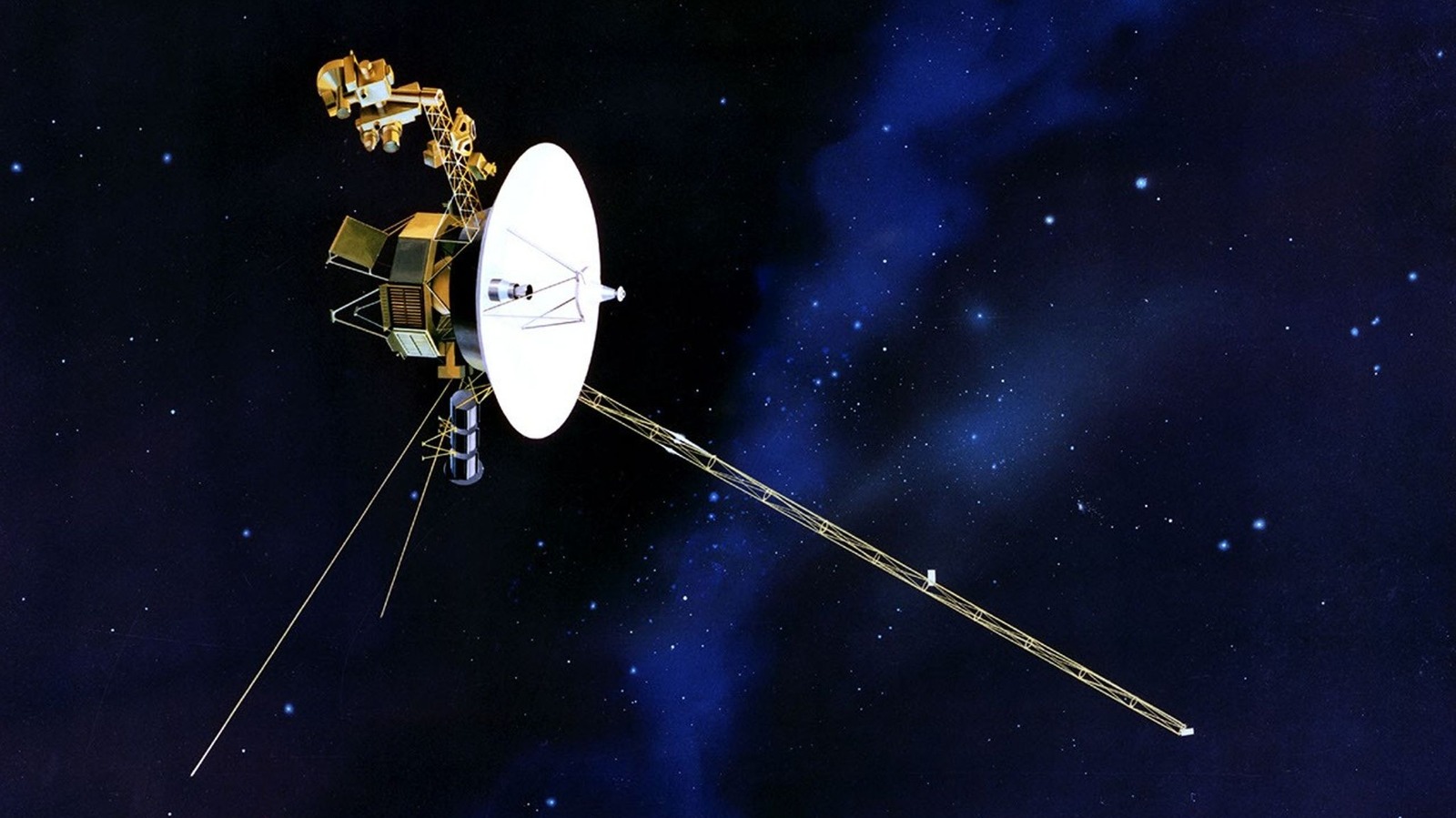
Nearly 49 years after it launched aboard a Titan III rocket, NASA’s Voyager 2 space probe continues its journey at the outer edge of exploration. The spacecraft relies on radioisotope thermoelectric generators, which convert heat from decaying plutonium into electricity. Because this plutonium supply is constantly depleting, each probe loses about four watts of power every year.
The probe launched in 1977 equipped with 10 scientific instruments. Over the decades, missions and planetary encounters prompted the deactivation of several systems, leaving only three operational instruments active prior to the recent software patch.
Operation Big Bang and the Software Fix Across Interstellar Space
To bypass the impending shutdown, engineers devised a software patch nicknamed the Big Bang
operation. Rather than shutting down individual components sequentially, the procedure simultaneously deactivates certain powered devices and substitutes them with lower-power alternatives.
The successful transmission reached Voyager 2 across nearly 21.4 billion kilometers. Engineers estimate the routine freed up close to 10 watts a year.
Planetary Legacy and Interstellar Milestones
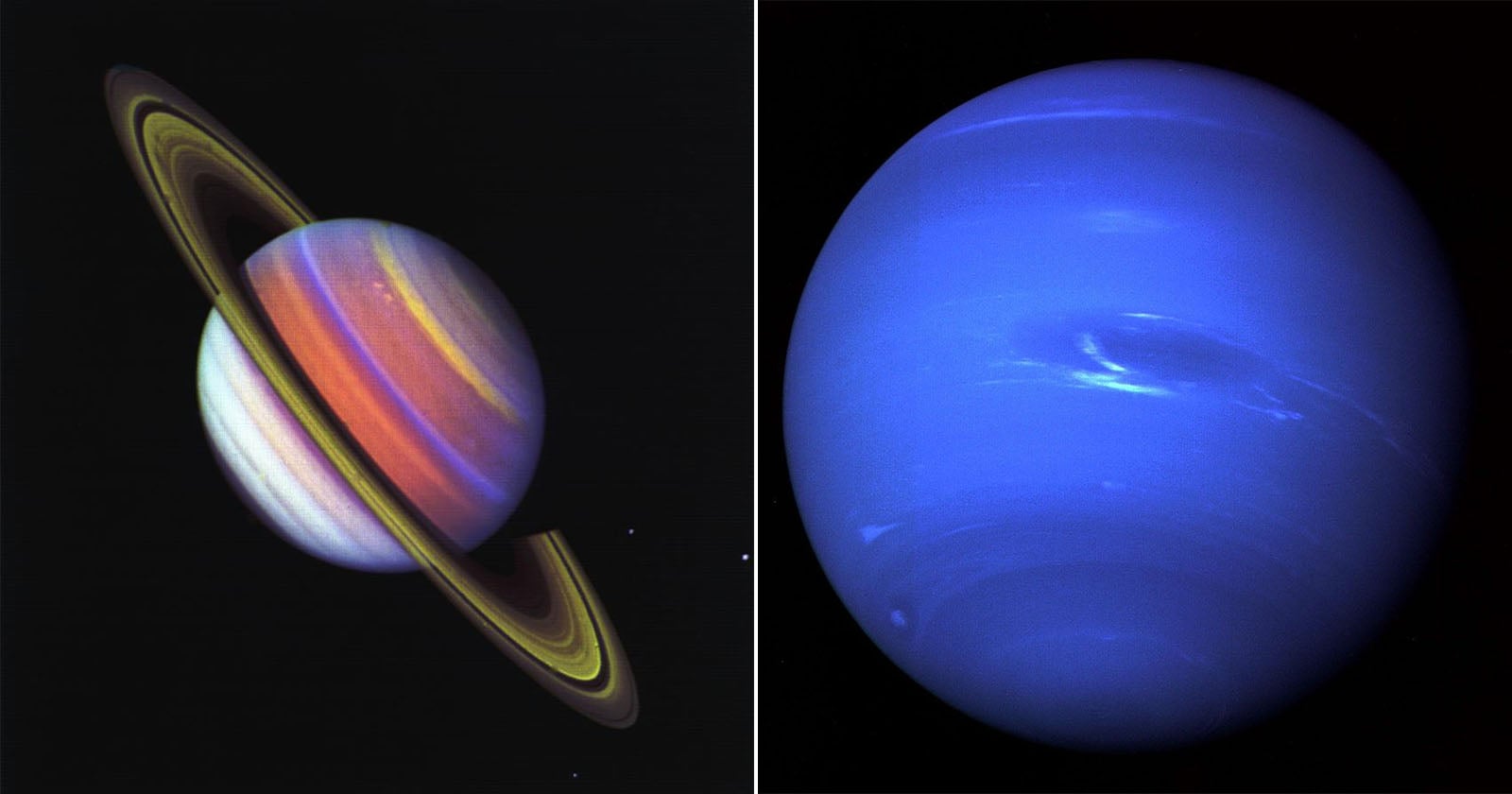
Voyager 2 holds a unique place in space exploration history as the only spacecraft ever to visit all four giant outer planets. Its slower trajectory, compared to its twin, allowed close flybys of Jupiter in 1979, followed by encounters with Saturn, Uranus, and Neptune within the decade. Using customized Imaging Science System cameras, the probe discovered a 14th moon at Jupiter, 10 new moons and a pair of rings at Saturn, and five moons, four rings, and a Great Dark Spot
at Neptune.
On December 10, 2018, Voyager 2 joined Voyager 1 as the only human-made objects to cross into interstellar space. Since then, both probes have sent back vital data concerning the density and temperature of plasma outside the heliosphere.
Voyager 1 Faces Tighter Margins and Tests the Same Fix
While the software patch succeeded on Voyager 2, its twin faces an even more precarious energy situation. In February, a routine roll maneuver nearly triggered the spacecraft’s emergency undervoltage fault protection.
That close call prompted engineers to retire the Low-energy Charged Particles experiment prematurely in April. However, because a small motor inside that instrument was deliberately left running, mission managers retain a faint hope that enough power could eventually be recovered to reactivate it. Although both spacecraft share identical initial designs, project manager Kareem Badaruddin noted that decades of separate flight have caused them to behave differently.
Next Hurdles for the Senior Twin
NASA’s Jet Propulsion Laboratory team tested a preliminary power check on Voyager 1 at the end of July, which verified that the swap would not draw excess electricity. The next critical milestone is a thermal test scheduled for late August to evaluate temperature stability in interstellar space. If those thermal checks succeed, engineers plan to implement the Big Bang software update on Voyager 1, operating on a cautious timeline where a single command takes nearly a day to arrive.
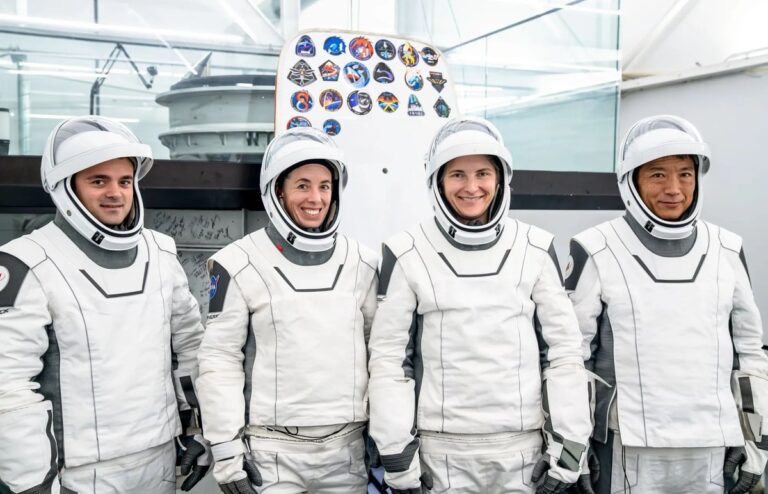
NASA Names Four Astronauts for SpaceX Crew-14 Mission to ISS
NASA has assigned four astronauts from three space agencies to the SpaceX Crew-14 mission, targeting a Falcon 9...
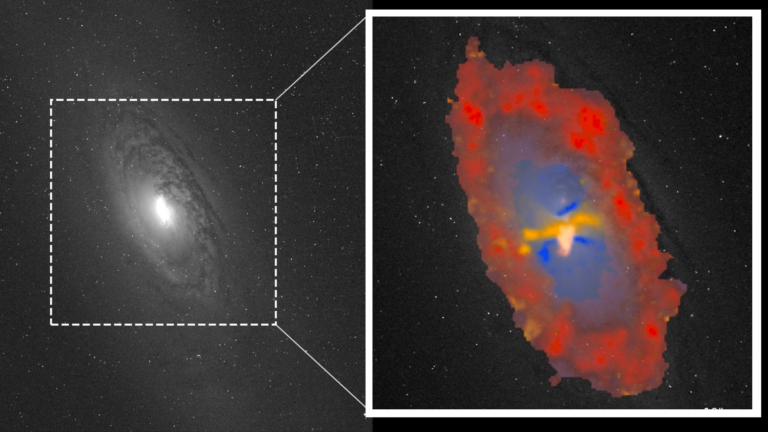
Black Hole Shock Waves Spark Star Formation in Nearby Galaxies
Astronomers studying nine local galaxies have discovered that shock waves from active supermassive black holes consistently travel perpendicular...
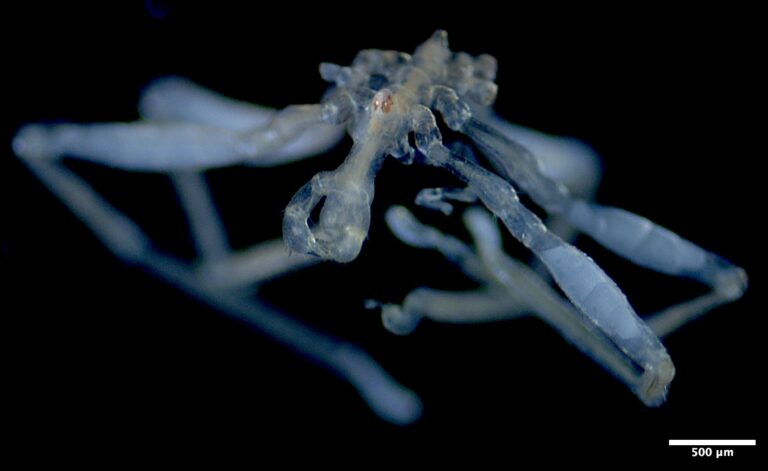
UBC Researchers Discover Two New Sea Spider Species in the Salish Sea
Researchers at the University of British Columbia have discovered two new species of sea spiders, Callipallene pilosuspedes and...

Climate Impact Lab Projects 450,000 Heat Deaths From Super El Niño
A newly released Climate Impact Lab report projects that more than 450,000 people worldwide could die from excessive...