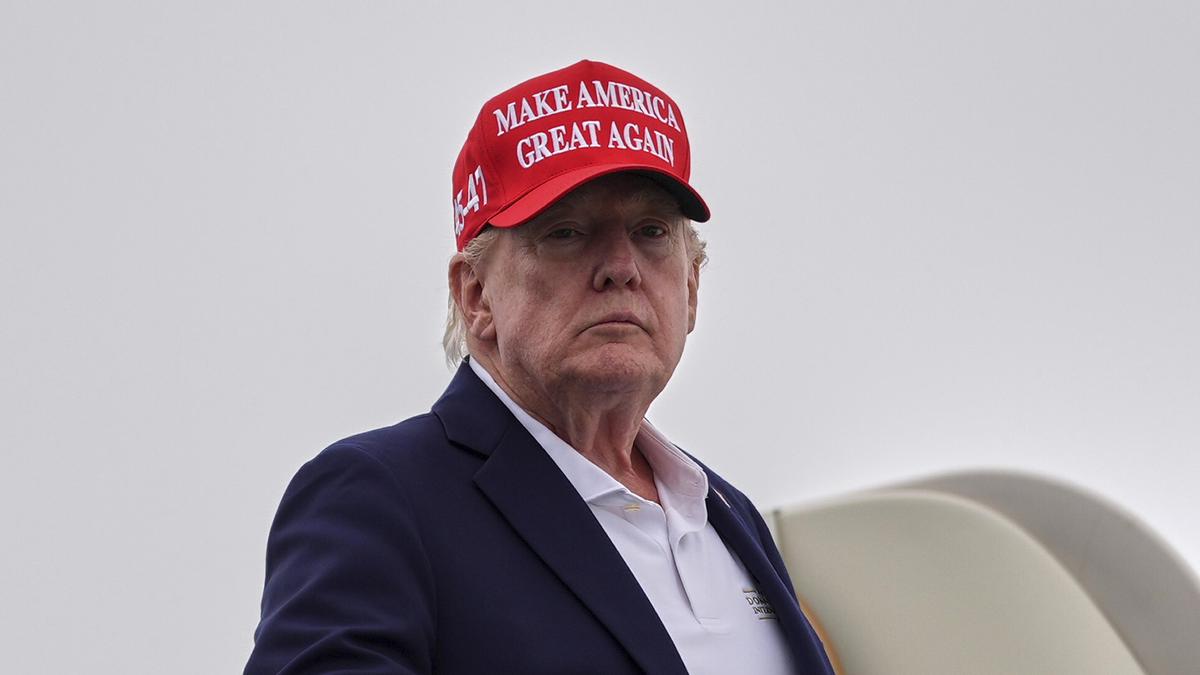
U.S. President Donald Trump ordered the Pentagon on Sunday to substantially reduce planned joint military exercises with South Korea, citing a positive relationship with North Korean leader Kim Jong Un and Seoul’s refusal to assist with the denuclearization of Iran.
Trump Cites Ties with Kim Jong Un and Iran Dispute
U.S. President Donald Trump announced on Sunday, August 16, 2026, that he instructed Secretary of War Pete Hegseth to scale back upcoming joint military drills with South Korea.
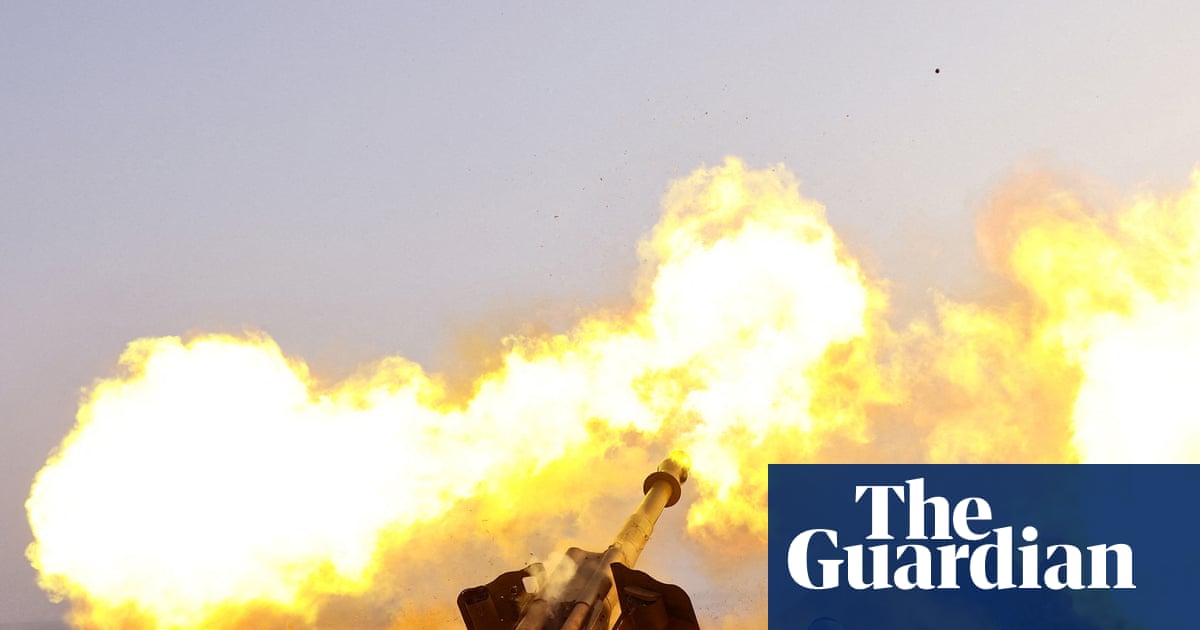
The announcement arrived just hours before the 11-day Ulchi Freedom Shield exercises were scheduled to begin. The exercises were slated to involve roughly 18,000 South Korean troops alongside American personnel and forces from 11 of the 18 member states of the United Nations Command, as detailed by The Guardian.
“Based on my very good relationship with Kim Jong Un, of North Korea, I am not happy with the fact that the United States has, long ago, agreed to participate in Joint Military Exercises with South Korea. These exercises are not only costly, with much of these costs paid for by the United States of America (as usual!), but send a signal that is totally inappropriate and hostile, to a Country that, as long as Donald J. Trump has been President, has been unthreatening and respectful.”
Donald Trump, U.S. President, via CNN
Military Officials Warned of Evolving Battlefield Tactics
The presidential order to reduce the scale of the drills comes despite warnings from military commanders that North Korea’s armed forces have gained modern combat experience through deployments alongside Russian forces in Europe. Prior to the announcement, defense officials from both allied nations noted that this year’s training scenarios were specifically redesigned to account for contemporary threats observed in Ukraine.
More than 14,000 North Korean troops have previously deployed to the Kursk region to support Russian military operations.
“Our training accounts for that threat, that is why the exercise looks different, and over the last five years it’s continually evolved.”
Col. Ryan Donald, Public Affairs Director for U.S.-led commands in South Korea, via The Guardian
Similarly, Lt. Gen. Scott Winter, deputy commander of the United Nations Command, emphasized that allied forces remain conscious of Pyongyang’s expanded weapons testing and tactical adaptations. Even with these warnings, the presidential directive mandates an immediate reduction in the scope of operations.
Precedents from the First Presidential Term
The decision echoes similar moves made during the first term of the U.S. administration, when major annual wargames were suspended or reconfigured to foster diplomatic talks with Pyongyang. Following a summit in Singapore in 2018, exercises were canceled or scaled back under the justification that large-scale drills on the peninsula were provocative and expensive.

In March 2019, following a nuclear summit in Hanoi that failed to reach a formal agreement, Washington and Seoul officially restructured their annual large-scale exercises into smaller maneuvers to reduce financial burdens on the United States and ease regional tensions.
North Korea has historically condemned the joint training events.
Seoul’s Initial Response and Immediate Outlook
Following the presidential directive issued late Sunday evening, South Korea’s defense ministry maintained that the joint drills would proceed as previously notified and scheduled
while officials evaluated the unfolding situation, as noted by The Guardian.
Related reading
Hakainde Hichilema Leads Zambia Election Results for Second Term
Zambian President Hakainde Hichilema maintains a lead in national election results published on Sunday, August 16, 2026, putting...
Gaza Residents Dig by Hand as Heavy Machinery Scarcity Hinders Body Recovery
Operating two excavators in Gaza City, Samir Sabra and his son Uday struggle against soaring fuel costs and...
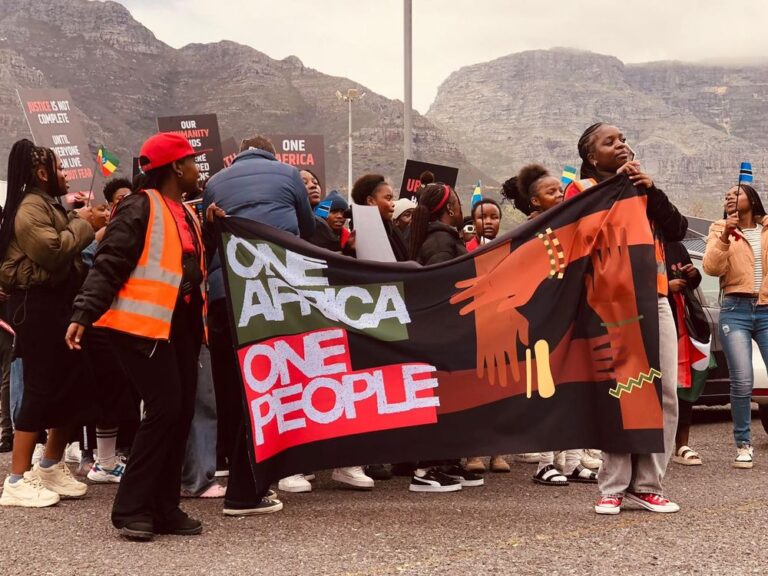
Operation Ubuntu Marches Across South African Cities to Demand End to Xenophobia
Hundreds of people took to the streets in cities across South Africa, including Johannesburg, Pretoria, Cape Town, Durban,...
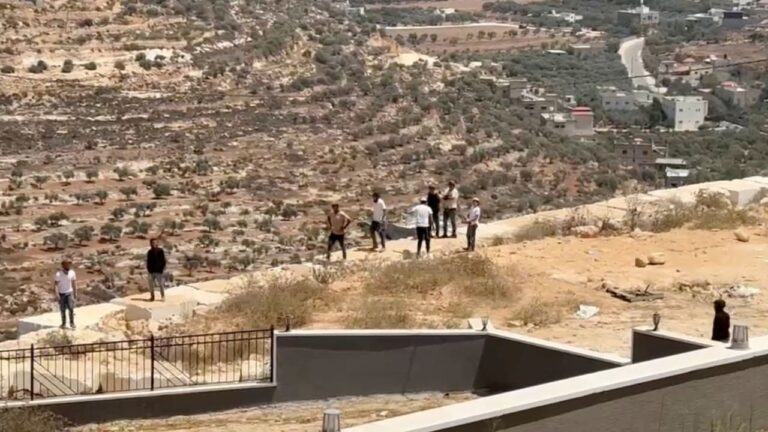
Israeli Settlers Enter West Bank Village of Qusra Despite Military Zone Order
Approximately 15 settlers entered the Palestinian village of Qusra, also referred to as Kusra, in the West Bank...