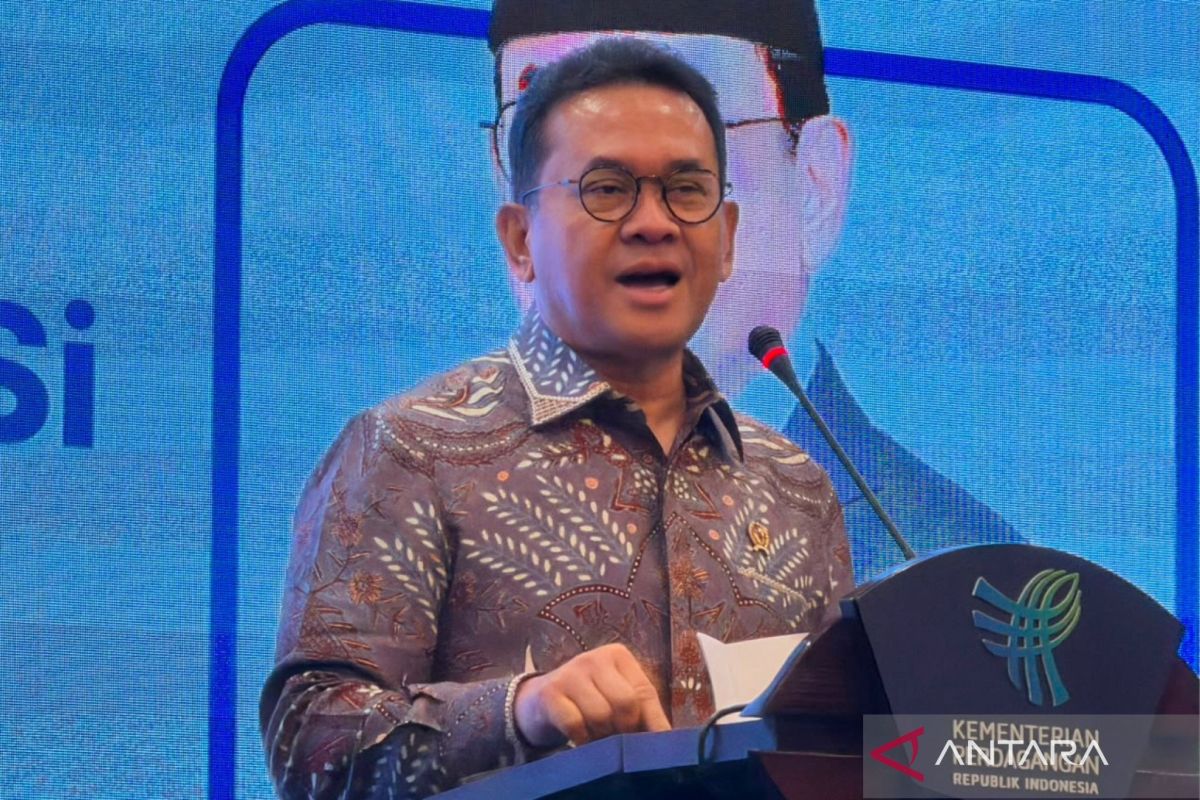
Indonesia is currently subject to a 10 percent reciprocal tariff imposed by the United States following a Section 301 investigation into forced labor. Trade Minister Budi Santoso confirmed the active rate, noting that Indonesia secured a relatively low tariff due to an existing Agreement on Reciprocal Trade (ART).
Indonesia’s trade leadership confirmed that the nation is navigating a 10 percent reciprocal levy implemented by the United States under the Section 301 mechanism concerning forced labor standards. The development marks a downward adjustment from previous tariff figures that had climbed significantly higher.
Section 301 Investigations and the Shift From Prior Tariffs
Before the current rate took effect, Indonesian goods faced stiffer reciprocal duties.
Those previous structures dissolved when the legal framework was challenged. At that time, the reciprocal tariff was set at 18 percent. It was then annulled by the Supreme Court; a 10 percent rate was applied to all countries for a period of 150 days,
Trade Minister Budi Santoso explained.
That 150-day window for the blanket 10 percent rate concluded on July 24, 2026. Following the expiration of that period, the United States government initiated subsequent Section 301 investigations scrutinizing two distinct issues across multiple trading partners: forced labor and excess production. While the excess production inquiries unfolded, the forced labor investigations concluded with tiered penalties applied across participating nations.
Why Indonesia Secured a 10 Percent Rate
Among roughly 60 countries caught up in the sweeping post-investigation framework, Washington imposed split tariff tiers of 12.5 percent and 10 percent. Indonesia landed on the lower end of that scale.
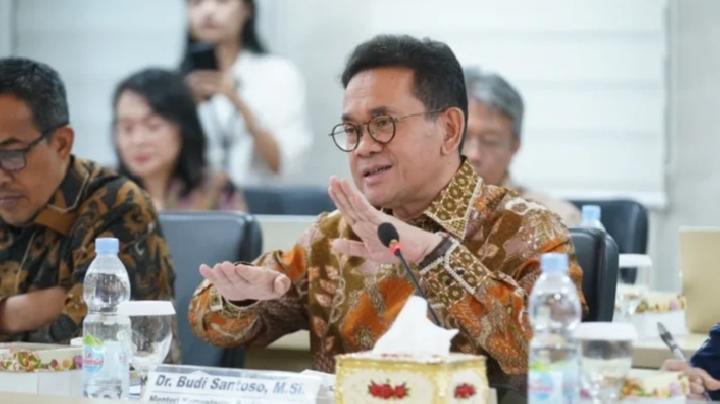
“Indonesia received the 10 percent rate because we already have an Agreement on Reciprocal Trade (ART) in place. Therefore, the rate currently is 10 percent as of July 24,”
Minister Budi Santoso, via ANTARA News
The presence of this bilateral trade accord provided Jakarta with a distinct structural cushion compared to peer economies still scrambling to formalize their framework arrangements with Washington. Trade officials note that this diplomatic groundwork places Indonesia ahead of regional competitors who have yet to conclude equivalent talks.
Negotiation Status and Future Tariff Goals
Despite securing the lower 10 percent tier, Indonesian trade authorities are not treating the figure as a final destination. Santoso emphasized that the government is actively lobbying Washington for further reductions, with the ultimate objective of bringing the reciprocal rate down to zero percent.
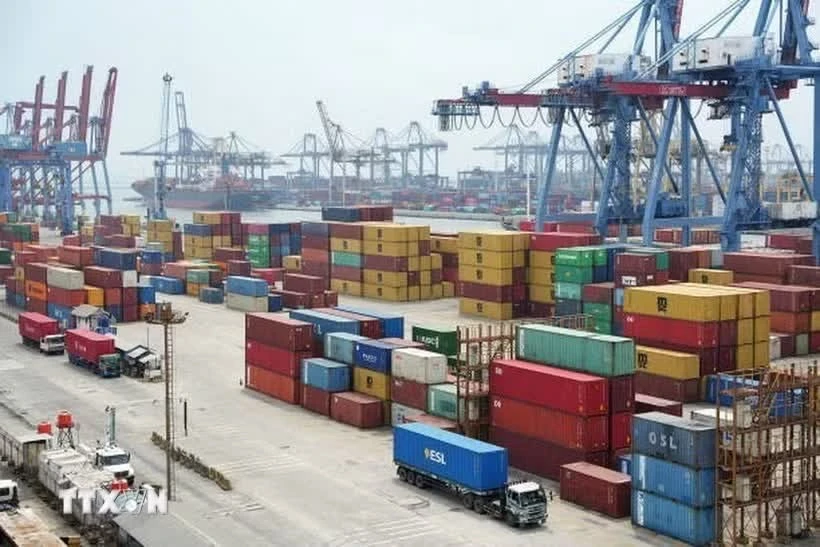
To illustrate Jakarta’s relative momentum, officials contrasted their timeline with other export nations. For example, when I met with Thailand (representative) recently, their trade minister said he would only begin discussions with the US toward the end of this year, whereas we have already completed ours,
Santoso noted, pointing to an advantageous diplomatic footing as the ministry presses for even more favorable tariff exemptions moving forward.
Worth a look
UK Temperatures Forecast to Reach 25°C Following Southerly Airflow
Temperatures across parts of the UK are set to reach 25°C on Tuesday, driven by a strong southerly...

UK Police Arrest Five Men Near RAF Fairford Under Explosives Act
Counter-terrorism police in the United Kingdom are leading an active investigation after armed officers intercepted three suspicious vans...
Andy Burnham Proposes NHS-Style Social Care Service for England
Andy Burnham has outlined a vision for a universal social care system in England that would be free...
LPU Students Vandalize Campus and Block Highway Over Rape Rumor
Students at Lovely Professional University in Punjab vandalized campus property and blocked a national highway late Saturday following...