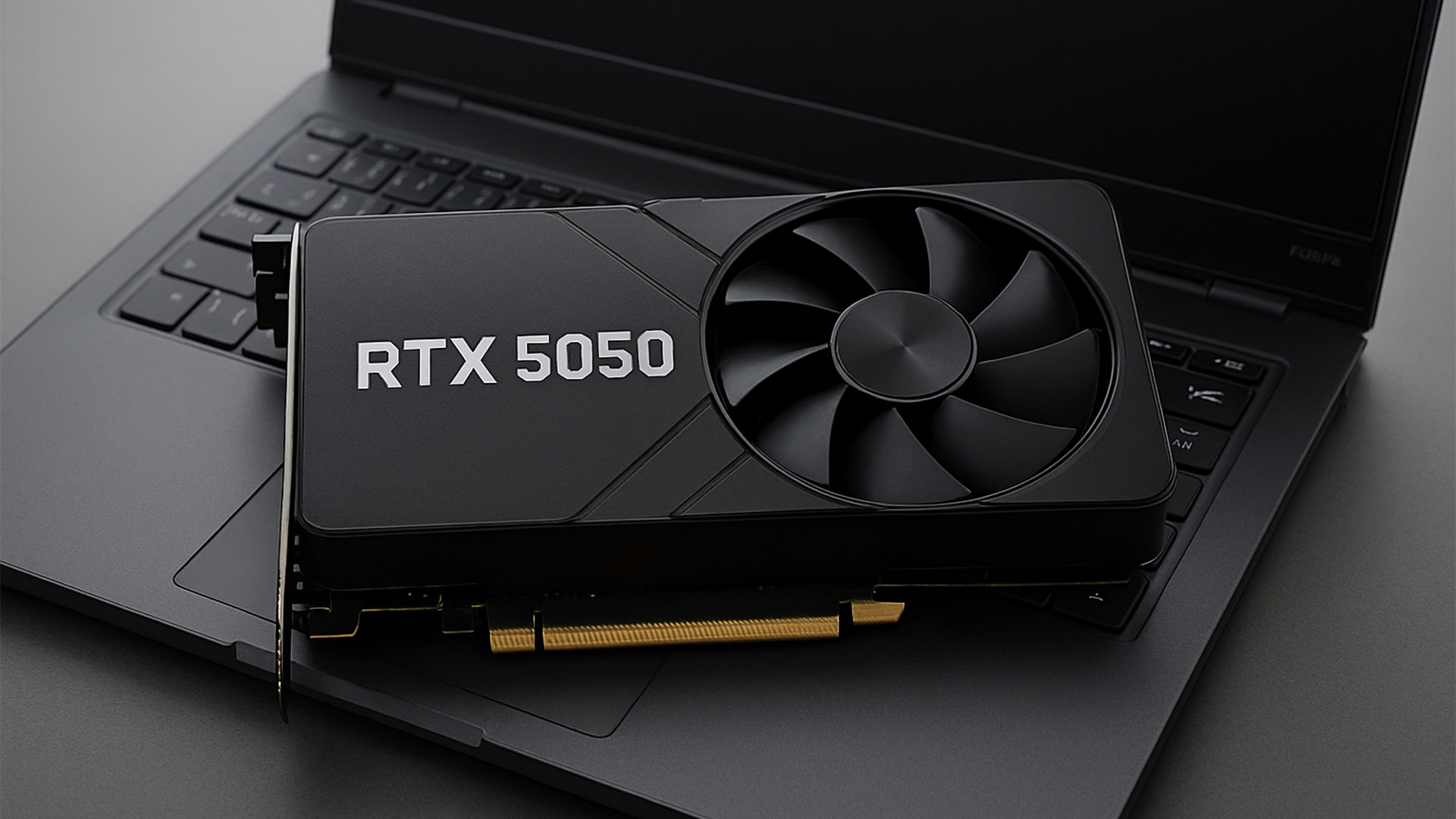
PC Partner Group has warned that entry-level graphics cards will face severe shortages and skyrocketing average selling prices during the second half of 2026. The parent company behind ZOTAC, Inno3D, and Manli reported rising memory costs and constrained component supplies, driving a challenging market for budget PC builders.
PC Partner Reports Rising Costs and Constrained Shipments in First Half
Financial results published by PC Partner on August 14 detailed a difficult operational environment across its graphics card and mini-PC businesses. The manufacturer reported that the PC market remains highly challenging, citing persistent component constraints that limited shipments throughout the first half of the year.
During this period, revenue from own-brand graphics cards fell 9.2% year over year to HK$4.46 billion. Unit sales dropped 18.4%, while the average selling price increased by 10.7%.
Severe Shortages Loom for Entry-Level VGA Cards in Late 2026
According to reporting from hardware outlets, entry-level models such as the RTX 3050, RTX 5050, and RX 9050 are already selling above their manufacturer suggested retail prices. The entry-level GPU segment is expected to witness even more severe shortages, threatening the last affordable tier for budget-conscious builders.
PC Partner stated in its financial results that the PC market remains highly challenging due to component constraints, which have increased costs and slowed consumer demand.
PC Partner, Financial Results
Higher VRAM models have already experienced dramatic markups, with the GeForce RTX 5060 Ti 16 GB touching $800 at major retailers.
Broader Supply Constraints Hit CPUs, Memory, and Mini-PCs
The component squeeze extends well past graphics cards. PC Partner noted that longer lead times for central processing units, system memory, and other essential parts have directly impacted its mini-PC manufacturing operations. Production output for these systems dropped during the second quarter as memory constraints intensified.
The company attributes these widespread bottlenecks to climbing DRAM and graphics memory prices driven by broader artificial intelligence infrastructure demand. As memory makers prioritize high-margin enterprise data center products, consumer hardware manufacturers face tighter allocations. Graphics memory prices are expected to rise further, compounding the pressure on hardware costs heading toward the close of 2026.
Keep reading

Pixel 11 Launches With Tensor G6 Chip And Limited AI Pro Promotion
Google has introduced the Pixel 11 lineup powered by the custom Tensor G6 processor, promising faster web browsing...

Block Shares Drop Despite 65 Percent Jump in Adjusted Earnings
Block shares dropped roughly six percent following its second-quarter earnings report on August 5, 2026, despite a 65...
Rivian Autonomy+ Beats GM Super Cruise on Highways But Lags Tesla FSD
Rivian Automotive’s Autonomy+ driver-assistance system outperforms General Motors’ Super Cruise on highways but trails Tesla’s FSD (Supervised) on...
Porsche to Offer Manual Transmission for 2027 911 Carrera S in North America
Porsche is swimming against the current in an automotive market where automakers are steadily abandoning manual gearboxes, announcing...