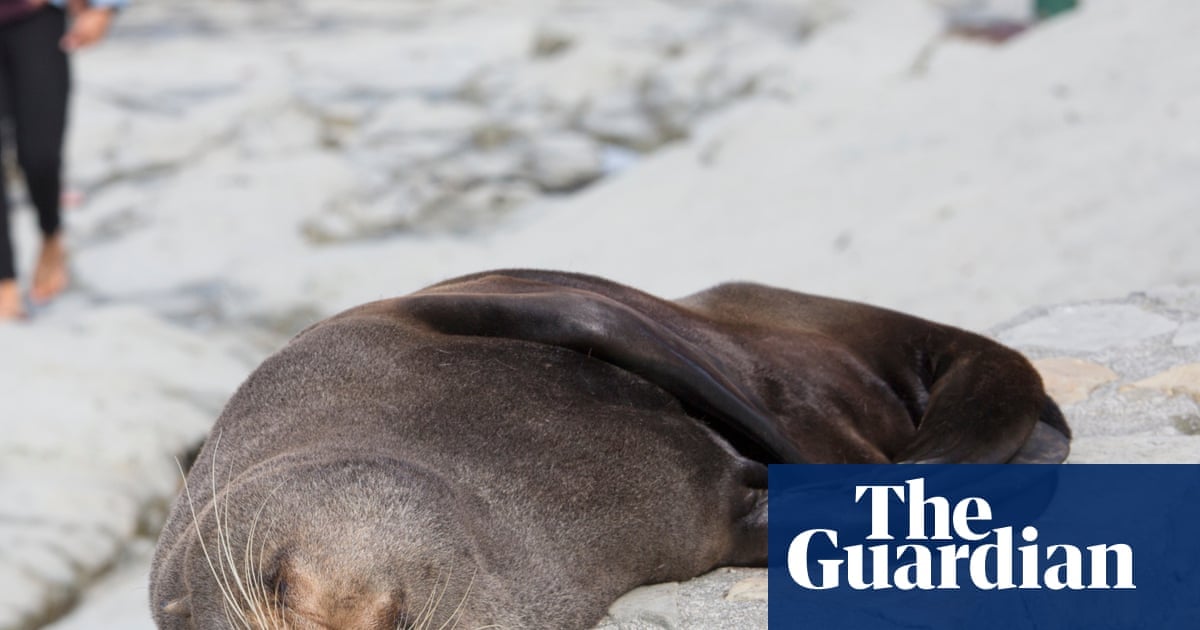
A long-nosed fur seal found dead at Beachport has become Australia’s first confirmed mainland mammal fatality from the H5 bird flu strain.
Australia’s growing confrontation with highly pathogenic avian influenza has crossed a critical threshold. Testing conducted by the CSIRO’s Australian Centre for Disease Preparedness confirmed that a long-nosed fur seal discovered dead on Wednesday at Beachport on South Australia’s Limestone Coast carried the H5 bird flu virus, marking the first confirmed mammal fatality on the Australian mainland.
The animal showed no external signs of injury when a member of the public found it and reported the carcass to an official hotline. Federal and state officials have anticipated the crossover as the virus spreads through local wildlife populations. According to Federal Agriculture Minister Julie Collins, the mainland mammal case was not unexpected
given the rapid global and domestic trajectory of the outbreak.
National Spread and Rising Wildlife Toll Across States
Since the initial mainland detection of the H5N1 virus in a brown skua in Western Australia in June, the disease has established a wide footprint. Government tracking data shows 297 total events recorded across the country by late August, with 182 reported in South Australia, 86 in Victoria, and additional detections spanning New South Wales, Queensland, and Tasmania.
The virus has also impacted colonial seabirds, including little penguins on Kangaroo Island and King Island, alongside mass mortality events on offshore islands involving more than 1,000 greater crested terns.
“We are still just at the early stages of this devastating virus, and the bad news is going to keep coming for our wildlife as it spreads around the continent and between species.”
Jack Gough, chief executive of the Endangered Species Council
Vulnerable Colonies Face Unprecedented Pressures
Conservation scientists point to international precedents to project what might happen as the virus moves through Australian rookeries. In South America, subsequent outbreaks of H5N1 decimated marine mammal populations, killing at least 30,000 South American sea lions across Peru, Chile, Argentina, Uruguay, and Brazil, while wiping out more than 17,000 elephant seal pups at Península Valdés.
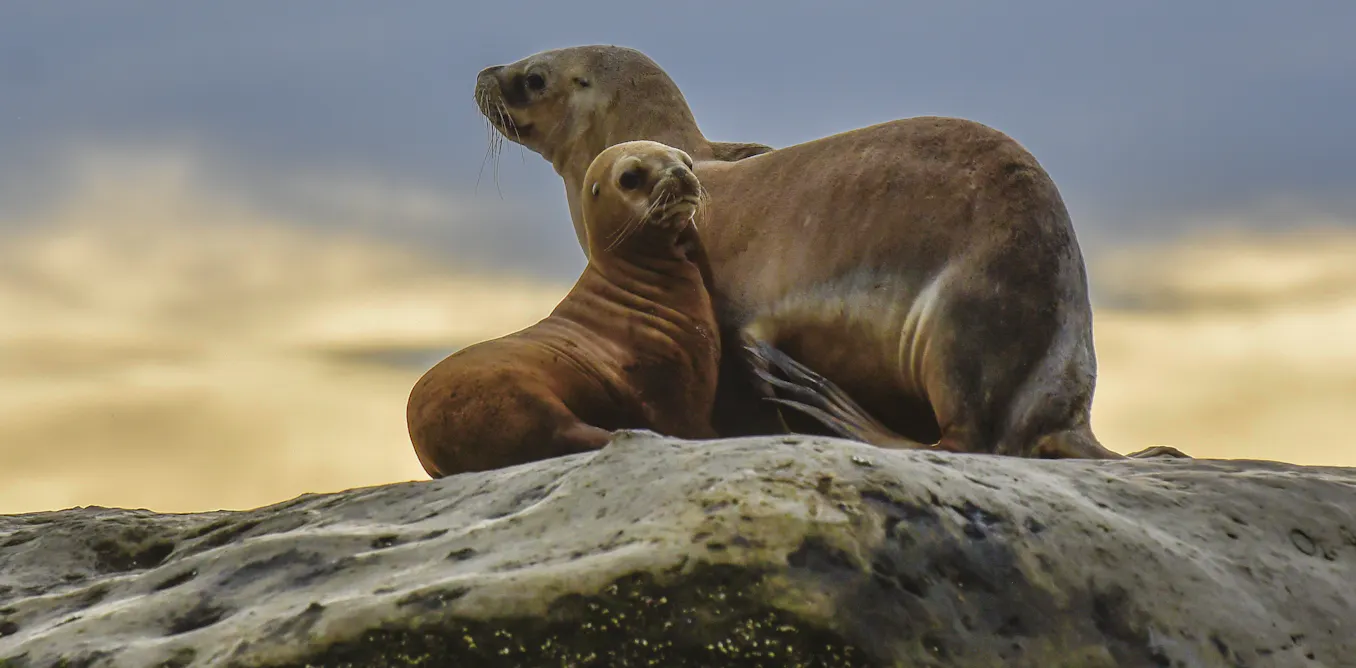
Conservation leaders warn that localized transmission within these compact breeding groups could threaten species survival.
Biosecurity Measures and Public Health Guidance
In response to the advancing virus, federal and state governments have committed funding toward wildlife preparedness and targeted vaccination programs for captive or discrete populations of vulnerable seabirds, such as little penguins on Phillip Island. However, authorities caution that vaccinating wild marine mammals remains exceedingly difficult due to the logistical challenge of capturing individual animals to administer multiple doses.
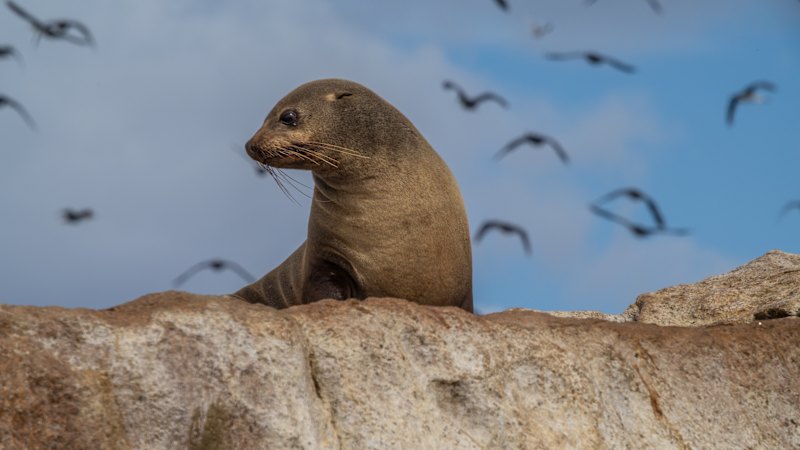
National biosecurity protocols have shifted to monitor broader wildlife events
rather than isolated cases. Meanwhile, federal officials maintain that there is no evidence of infection within commercial poultry or agricultural systems, and the risk to human health remains low.
Public health authorities continue to advise Australians to avoid touching sick or dead wildlife and to keep domestic pets away from animal carcasses.
Atazanavir/Ritonavir Triggers Erythema Multiforme in HIV-1 Patient
An HIV-1-positive patient stable on dolutegravir for five years developed pruritic erythematous papules and target lesions on the...
Congo Receives First Shipment of Ebola Vaccine Amid Outbreak
Congo received 16,250 doses of the Ervebo Ebola vaccine at Kinshasa's N’djili International Airport late Friday, marking the...

Chinese Neurosurgeon Zhang Shijun Performs Hundreds of Operations in Eritrea
During a one-year medical mission in Eritrea running from July 2025 to July 2026, Chinese neurosurgeon Zhang Shijun...

Prince Harry and Meghan Moving Back to U.K
Prince Harry and Meghan are moving back to the United Kingdom with their children, Prince Archie and Princess...