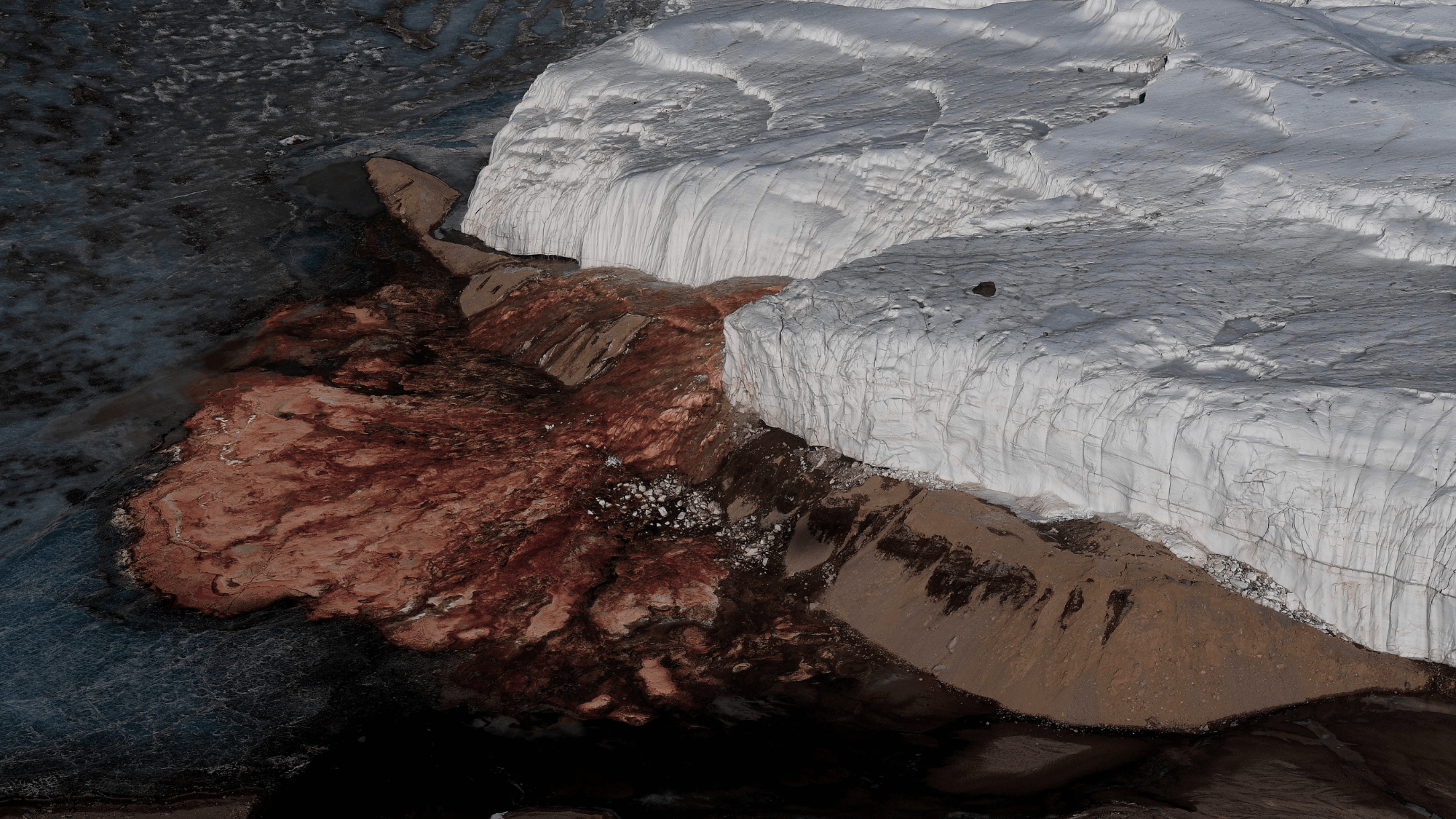
Sealed beneath Antarctica’s Taylor Glacier for more than a million years, Blood Falls discharges a rust-red brine fed by an isolated reservoir. A new study in Nature Geoscience reveals this crimson outflow hosts an active marine microbial community closely related to ocean life located more than 20 miles away.
Taylor Glacier and the Origins of Blood Falls
On the eastern edge of Antarctica’s Taylor Glacier, a slab of ice the color of a wedding cake weeps a thick rust-red stain that reaches Lake Bonney like spilled paint. The feature is called Blood Falls, sitting at the terminus of the glacier in the McMurdo Dry Valleys, which is known as one of the coldest and driest deserts on Earth. Australian geologist Thomas Griffith Taylor came across the site in 1911 and initially assumed the red coloration came from algae. Later work confirmed that the color stems from iron oxide, mirroring the chemistry that rusts a garden shovel at a glacial scale.
The brine feeding the feature remains liquid at temperatures well below the freezing point of freshwater due to high salinity, registering roughly two to three times saltier than seawater. Dissolved ferrous iron stays colorless while sealed underground, but the moment the brine hits the atmosphere at the glacier face, that iron reacts with oxygen and precipitates as iron oxide. Research summarized by Earth.com links sudden red discharges to measurable drops in the glacier’s surface above the reservoir, suggesting the brine is pressurized beneath the ice and vents when the pathway opens.
Dating an Ancient Subglacial Reservoir
The reservoir behind the stain is salty, sunless, and oxygen-free. Estimates for when the brine was sealed off from the open ocean cluster in the range of 1.5 to a few million years. The Scripps Institution of Oceanography places the isolation event during a warmer period when seawater flooded the Taylor Valley, with the reservoir cut off as the Taylor Glacier advanced. Meanwhile, a Smithsonian summary of the new work puts the trapping event at around 2.5 million years ago. Either figure lands the reservoir in the Pliocene or early Pleistocene, a time when Antarctica looked significantly warmer and wetter, with an ocean reaching into valleys that today are bone dry.
Uncovering a Surprising Marine Microbial Community
Earlier work established that Blood Falls hosted bacteria running on iron and sulfur chemistry, pulling energy from redox reactions rather than photosynthesis. Recent research led by Angela Zoumplis at the J. Craig Venter Institute and Scripps extends that census to eukaryotes, which are single-celled organisms with a proper nucleus. The team analyzed 167 samples of water, sediment, and air from the Dry Valleys and nearby McMurdo Sound.
According to the Scripps release on the study, marine-associated diatoms made up more than 60 percent of the diatom community in samples from red mud and sediment at the glacier terminus, rising to about 80 percent in some analyses. Nearby freshwater sites were dominated by completely different land-and-lake species. Dinoflagellates, haptophytes, and ciliates showed up in the same samples, displaying strong ocean affinities despite the nearest ocean sitting more than 30 kilometers away.
Genetic Evidence of Active Biological Processes
A DNA signature alone would only prove that marine organisms passed through at some point. To test whether the organisms were alive, the research team ran metatranscriptomics, sequencing RNA rather than DNA to catch which genes were being actively expressed. Because RNA degrades quickly, its presence indicates that something is actively making it. Genes for photosynthesis, cellular repair, stress response, and salt tolerance were switched on in the Blood Falls community.
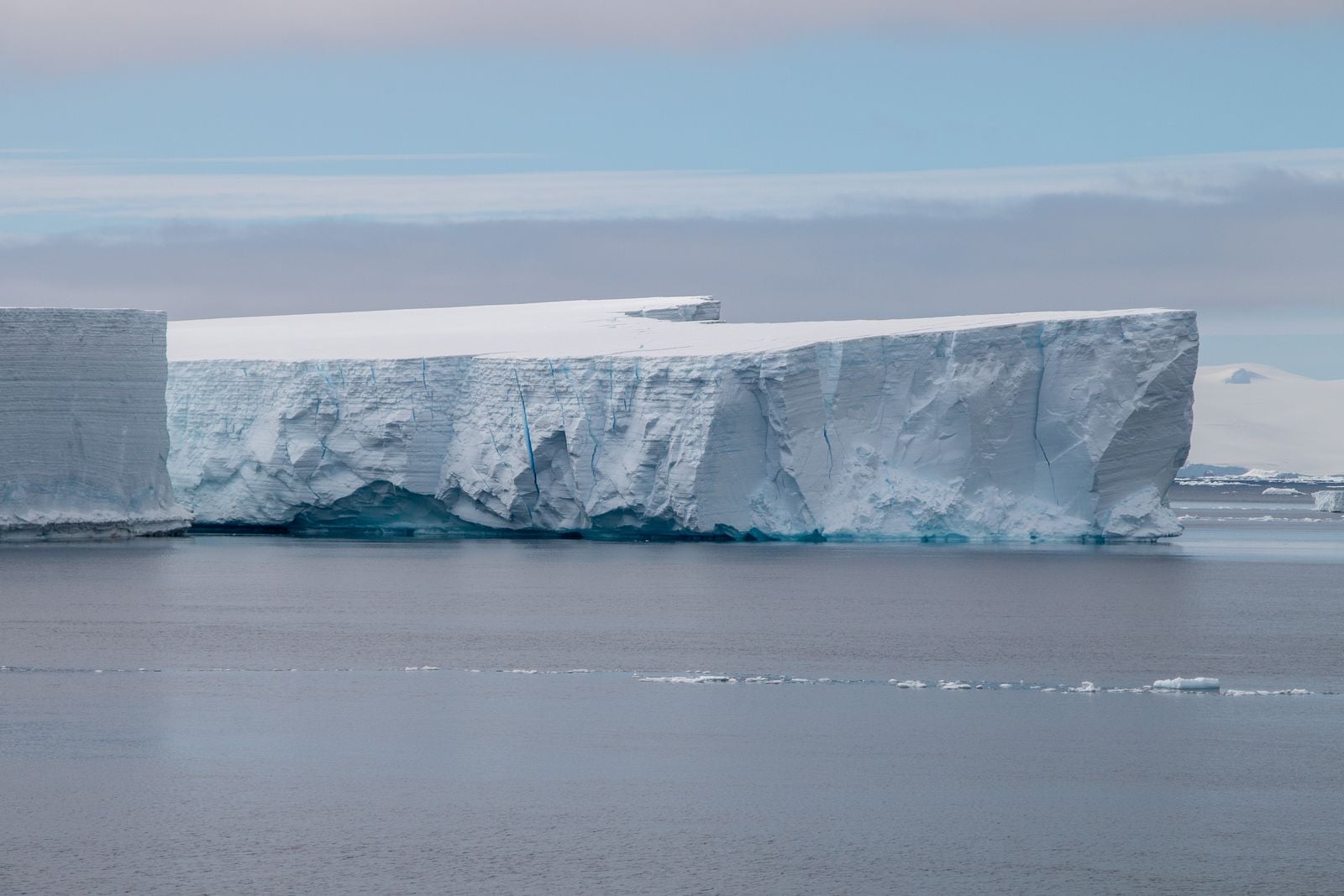
The research team found evidence that organisms are actively responding to environmental stressors, including temperature fluctuations, high salinity, iron exposure, and dormancy periods. Senior author Andrew Allen noted the remarkable discovery of a thriving marine ecosystem in a polar desert located more than 20 miles from the ocean.
Evaluating Alternative Explanations for the Findings
While the trapped seawater hypothesis offers the most direct explanation for the subglacial community, researchers also investigated whether strong Antarctic winds could be blowing marine microbes inland. However, collected air samples did not show many ocean-dwelling microorganisms, leaving little genetic evidence to support wind transport as the primary driver.
Publishing their findings in Nature Geoscience, the research team noted that studying the subglacial ecosystem offers an exceedingly rare opportunity to understand how life survives in harsh environments on Earth. Researchers point out that these insights can also help scientists figure out how life might survive and potentially thrive in extreme conditions elsewhere in the solar system.
Brentford Canal Polluted With Dead Animals And Sewage Amid Cleanup Efforts
Dead animals, including a pet cat, have been discovered in stagnant water along a Brentford canal amid growing...

Super El Niño Projected to Cause 451,000 Excess Heat Deaths Worldwide
A developing super El Niño in the Pacific is projected to cause 451,000 excess heat deaths worldwide by...
Scientists Use Mount Vesuvius Eruption to Recalibrate Argon-Argon Dating
Researchers have recalibrated argon-argon dating using historical records from the 79 C.E. eruption of Mount Vesuvius, achieving 0.7...
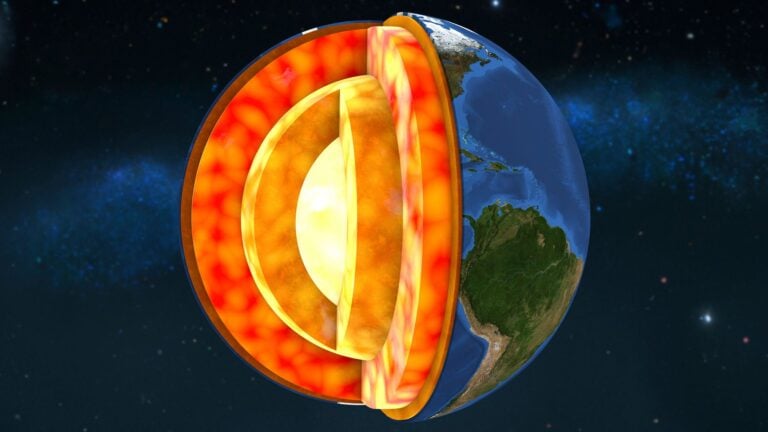
New Iron Minerals Could Hold Primordial Water at Earth’s Core-Mantle Boundary
Newly discovered iron oxyhydroxide minerals stable at core-mantle boundary conditions could hold up to 15% water by weight,...