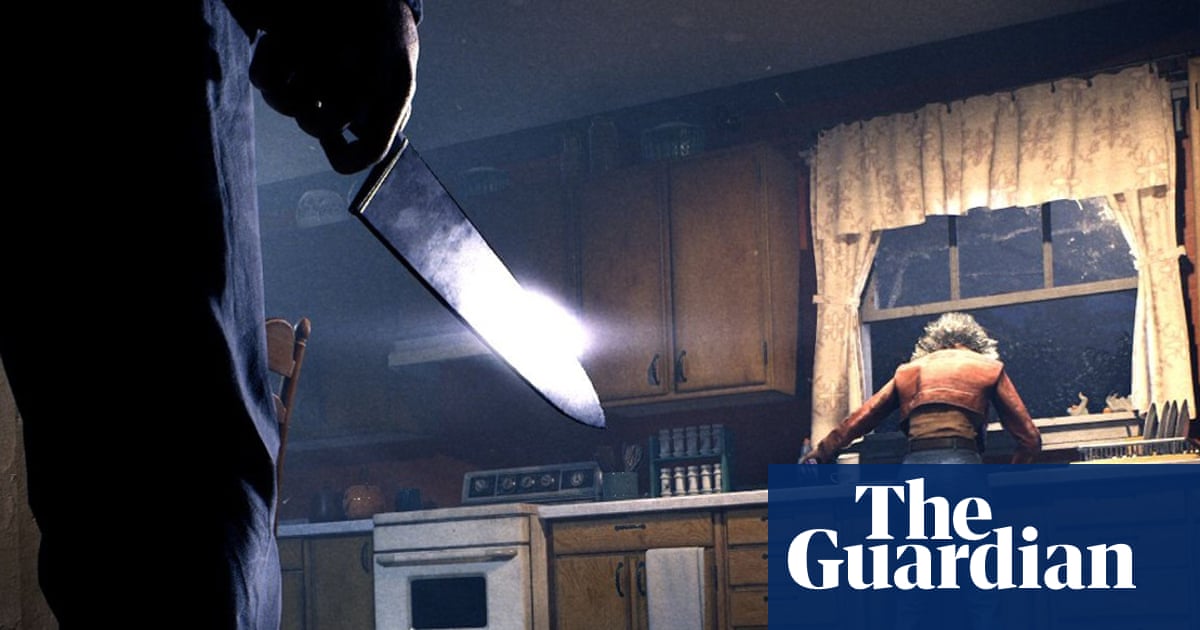
IllFonic’s upcoming slasher title Halloween: The Game has been refused classification by the Australian Classification Board, effectively banning its sale in Australia and New Zealand ahead of a September release, because an in-game consumable drug mechanic grants players a gameplay advantage.
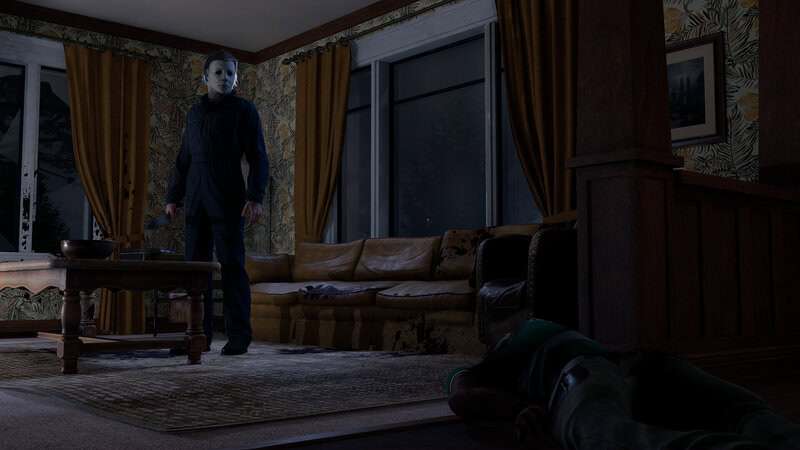
Michael Myers may be one of horror cinema’s most infamous boogeymen, responsible for some of the most brutal on-screen deaths in horror cinema, but his latest virtual outing has hit a regulatory wall down under. US video game developer Illfonic designed Halloween: The Game to capture the brutal terror of the franchise, allowing players to perform gruesome executions like driving an opponent’s head through a toilet seat or frying their brain by throwing them through a television screen. Yet the title’s downfall in Australia and New Zealand has nothing to do with its extreme violence or gore. Instead, regulatory authorities blocked the release over a specific survival mechanic: players can smoke marijuana to see the location of Michael Myers in order to avoid being killed.
The Classification Board Ruling and the Gameplay Advantage Trigger
The controversy centers on how the Australian Classification Board interprets interactive mechanics involving controlled substances. Under the Guidelines for the Classification of Computer Games 2023, video games are refused classification if they contain illicit or proscribed drug use related to incentives or rewards
. Because ingesting the substance provides a tactical edge, the title triggered an automatic regulatory refusal.
“Halloween: The Game contains illicit drug use that is linked to an incentive or reward, in that use of the drug provides a gameplay advantage to the player. It is on this basis that the game has been refused classification, as required under the Code and Guidelines,” the board wrote in a recent statement.
That decision means developers cannot distribute either physical or digital products in both Australia and New Zealand. IllFonic confirmed the commercial block after the rating denial, noting via their official social media account: Despite every effort on our part, the Australian Classifications Board has denied ‘Halloween: The Game’ a rating… Unfortunately, to our disappointment (and certainly yours) this means that we cannot sell the physical or digital product in both Australia and New Zealand. The upcoming slasher game is set to launch this September on Xbox Series X/S, PS5, and PC, but missing these regions entirely.
Public Backlash and the Longstanding Debate Over Game Regulation
The refusal sparked an immediate public uproar. IllFonic’s social media channels have been flooded with comments from irate Australians, and an Freedom of Information officer confirmed that the board had received more than 500 complaints in relation to Halloween: The Game. This regulatory clash has resurfaced longstanding grievances about how games are classified in Australia compared to film and television, and the inability for adults to access games widely available in other parts of the world.
Scholars and former regulators argue that the system remains anchored in outdated assumptions about digital entertainment. Claire Henry, an associate professor in screen at Flinders University and an Australian Research Council Decra fellow, observed that while the board enforced the guidelines correctly, the controversy highlights a mismatch between the community standards and the classification standards
.
Margaret Anderson, former director of the Classification Board, questioned the framework directly: Can we stop pretending that the way we classify games in Australia, in 2026, is appropriate for adults? Because it’s not.
Dan Golding, professor of media at Monash University, notes that two assumptions have been baked into the classifying of games in Australia: Games have always been regulated based on the assumption there is something more impactful about doing, in a game, than there is about watching, in a film,
while a second assumption is that games are for kids – or at least the regulation system exists to protect kids.
Ron Curry has battled these assumptions in skirmishes with the Classification Board over his nearly two decades as CEO of the Interactive Games & Entertainment Association (IGEA), helping introduce an R18+ category for video games in 2013 alongside a dogged public campaign and a cadre of journalists.
Historical precedent shows that developers often alter content to bypass these hurdles. Titles like Fallout 3 famously changed the healing drug morphine to Med-X to get around a similar ban, altering the franchise’s lore in the process. Other games, including Saints Row IV, Wasteland 3, and State of Decay, faced similar bans for the same reason: incentivised drug use, and all of these games were later reclassified after censoring aspects of their gameplay. IllFonic made their name with asymmetric multiplayer games based on movie licenses, including Friday The 13th: The Game, Predator: Hunting Grounds, and Killer Klowns from Outer Space, after announcing Halloween: The Game just last year.
Wider Industry Anxieties and Grand Theft Auto 6 Speculation
The ban has also rippled outward, fueling anxiety among fans tracking upcoming blockbusters. Online discussion communities for Rockstar Games’ highly anticipated open-world release have buzzed with speculation about whether similar drug mechanics could invite regulatory scrutiny. Those fears were compounded after GTA Online banned Australian players from gambling in the game’s casino years after it was added, believed to be due to recent regulation changes.
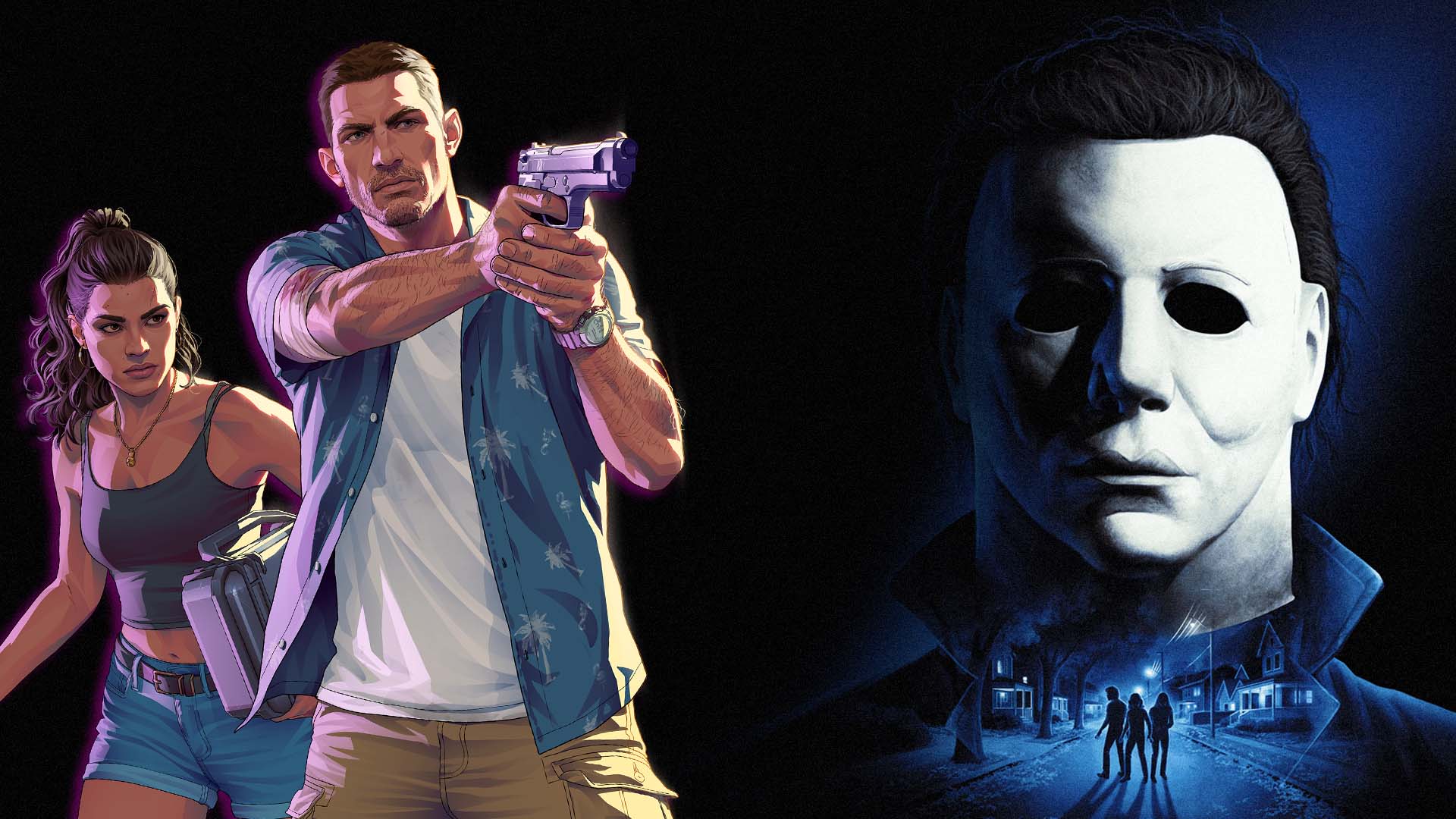
Industry analysts note that major releases typically navigate these waters by securing the country’s highest adult rating rather than facing outright prohibition. Grand Theft Auto 5 launched in Australia with the country’s highest rating a game can get, R18+, primarily due to usage, and the game still contains references to weed, meth, and other illicit substances. A game as massive as GTA 6 will likely be able to avoid an outright ban and instead will get slapped with the R18+ rating, with GTA 6 still set to release worldwide on PS5 and Xbox Series X/S on November 19.
Related reading
Spider-Man: Brand New Day Dominates Box Office in Fourth Weekend
Sony’s Marvel blockbuster Spider-Man: Brand New Day collected $39 million in its fourth weekend at the box office,...
G-Dragon Recalls Nervousness During You Quiz on the Block Appearance
K-pop star G-Dragon reflected on the intense scrutiny surrounding his October 2024 television return on tvN's 'You Quiz...
Lee Si-young Returns to South Korea After Month-Long Canada Camp With Son
Actor Lee Si-young has returned to South Korea after spending a month in Canada with her elementary school–aged...

Kelly Rowland Joins The Voice UK Coaching Panel for New Season
Kelly Rowland joins the swivelling chairs as a new judge on ITV1's talent show The Voice UK, sitting...