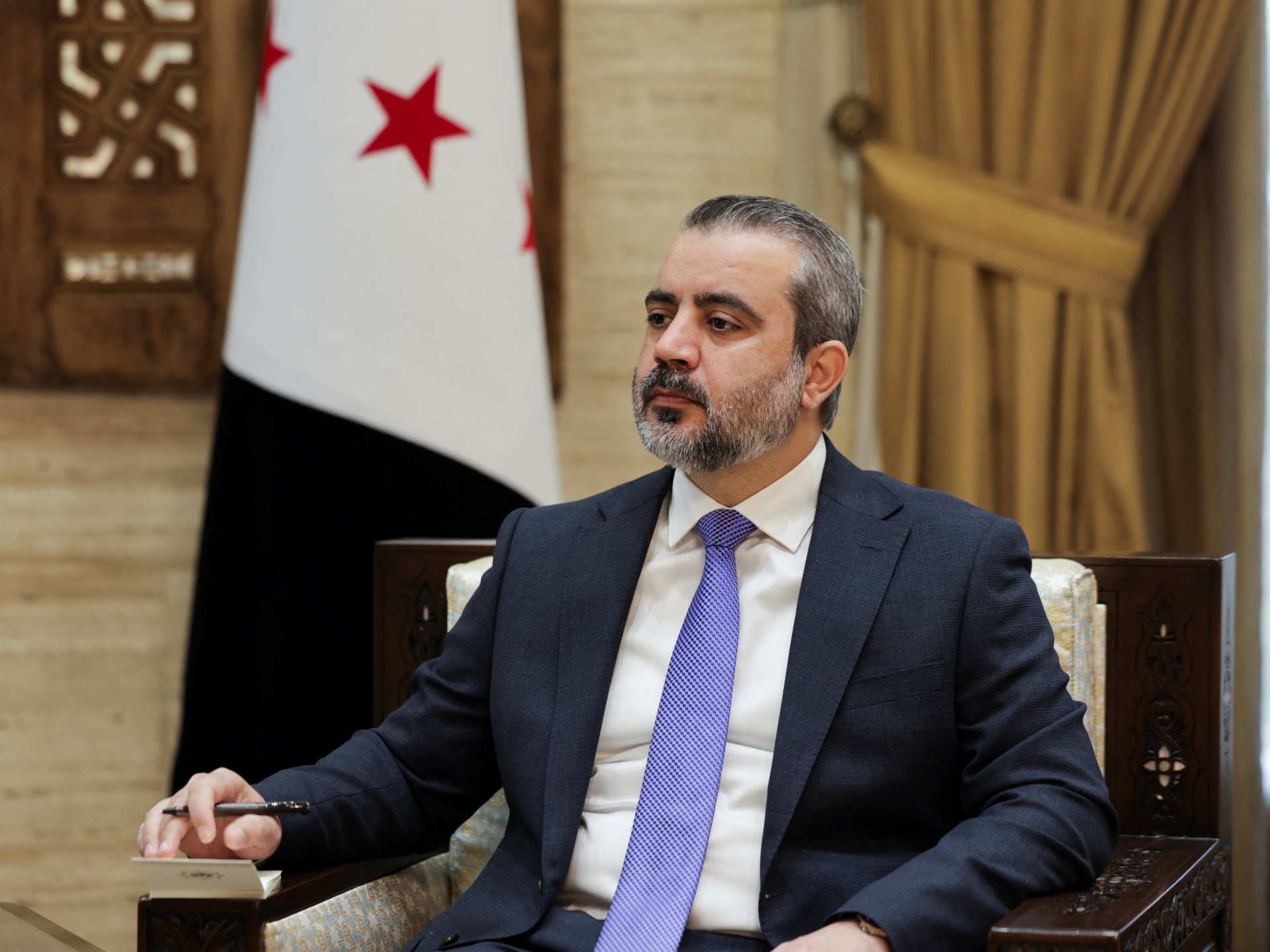
Syrian and Israeli delegations met in Jordan under U.S. mediation on Sunday, August 23, 2026, to discuss de-escalation and revive security negotiations following recent strikes. The talks addressed border security zones, Israeli withdrawals, and efforts to prevent regional tensions between Israel and Türkiye from spilling into Syrian territory.
High-Level Talks Convene in Jordan Following Recent Airbase Strikes
High-level Syrian and Israeli delegations met in Jordan under United States mediation to establish practical mechanisms for halting military attacks and reviving stalled negotiations following recent Israeli strikes on Syrian territory. Syrian Foreign Minister Asaad al-Shaibani led the delegation from Damascus, which included the heads of the General Intelligence Directorate and Military Intelligence.
The diplomatic gathering followed an Israeli strike last week on the disused Abu al-Duhur military airport in northwestern Syria. Israel justified the bombardment by claiming Damascus was preparing to allow Turkish forces to deploy at the facility, an allegation that both Syria and Türkiye firmly denied. The incident heightened regional friction, prompting public barbs between Israeli Prime Minister Benjamin Netanyahu and Turkish President Recep Tayyip Erdogan.
Sovereignty Demands and Territorial Prioritisation by Damascus
During Sunday’s discussions, the Syrian delegation asserted that Syria is a sovereign state with the full right to rebuild and develop its national army while determining its alliances and partnerships in line with national interests. Damascus made clear it would reject any arrangements or mechanisms that restrict those sovereign rights.
Syrian officials maintained that while the occupied Golan Heights remain Syrian territory, discussing the region’s final status is currently premature. Instead, the immediate priority for Damascus is the withdrawal of Israeli forces to the lines held before December 8, 2024, and the full reactivation and implementation of the 1974 Disengagement Agreement.
Diplomatic Frustrations and a Lack of Trust Between Negotiating Parties
In an interview with Reuters ahead of the meeting, Foreign Minister al-Shaibani acknowledged that security negotiations had frozen since the outbreak of the war on Iran at the end of February, with contact cut off entirely after the Abu al-Duhur airbase strike. He noted that the two sides had agreed on paper to almost everything near the beginning of the year, including security zones in southern Syria and a buffer zone restricted to United Nations forces, but expressed doubt over Israel’s willingness to implement the terms.

“We believe there should be contact, especially with a party that constantly threatens the security of Syria. But if this contact doesn’t bring results, then we don’t need it. We do not trust Israel currently.”
Asaad al-Shaibani, Syrian Foreign Minister
Al-Shaibani added that while Washington is trying continuously to put pressure on Israel to return to the dialogue table, betting on Israeli commitments remains difficult. Nevertheless, he emphasised that Syria maintains very great hope of building stable relationships, stating that the country is extending its hand for understandings, for peace, for diplomacy and regional stability.
Managing Regional Spillover Between Türkiye and Israel
Sunday’s talks also tackled the growing friction between Israel and Türkiye, with diplomats working to ensure that bilateral disputes between Ankara and Tel Aviv do not spill over onto Syrian soil. U.S. special envoy for Syria Tom Barrack previously criticised the Abu al-Duhur strike as an unnecessary escalation that fails to advance regional stability, noting that Washington is working to establish a mechanism to prevent conflict among the three regional actors.
Discussions in Jordan explored the possible creation of a special operations room under United States supervision. According to diplomatic sources, such a coordination mechanism would monitor border control and security coordination while attempting to prevent any confrontation inside Syria that could draw in Turkish forces.
Expert Outlook and Ongoing Border Incursions
Israel has launched hundreds of strikes across Syria and sent troops into the UN-patrolled buffer zone in the Golan Heights since the fall of longtime ruler Bashar al-Assad in December 2024.
Despite ongoing military actions and continued skepticism from Damascus regarding Israeli intentions, both delegations continue to explore frameworks for a comprehensive future security agreement under continuing American mediation.
Worth a look
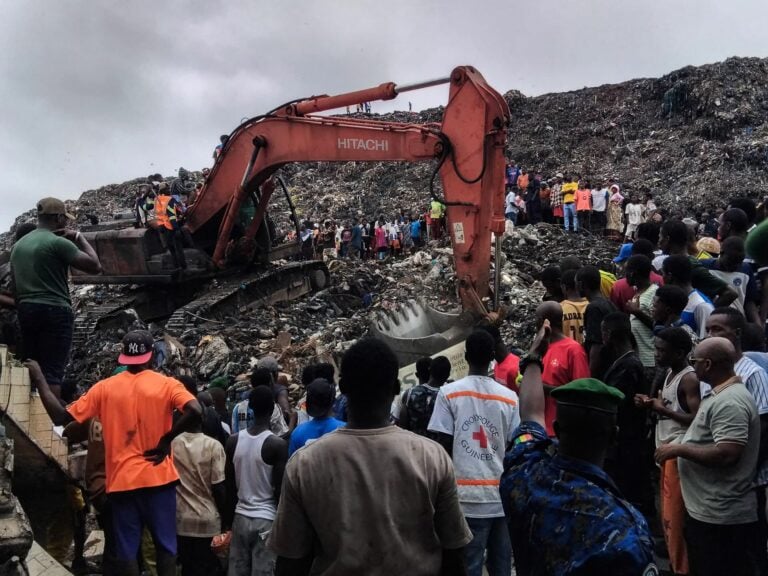
Guinea Landfill Collapse in Conakry Kills 30 People
At least 30 people have been killed after a mountainous heap of refuse collapsed at the largest landfill...
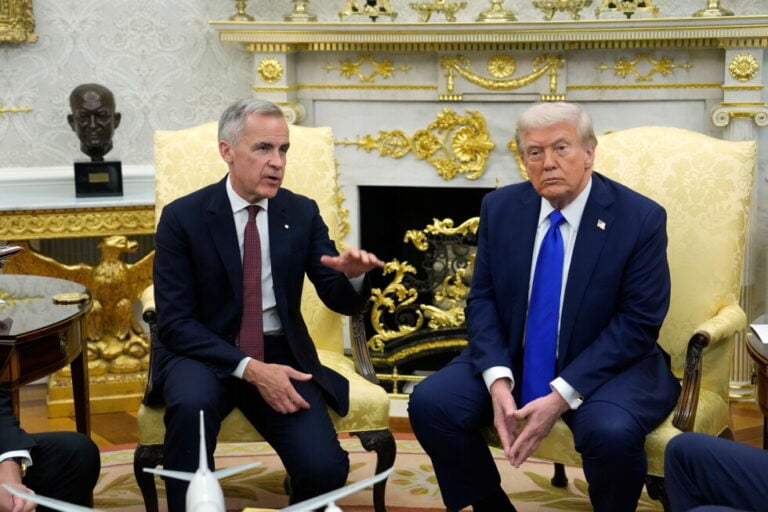
US Imposes 50% Tariffs on $20 Billion in Canadian Goods After Talks Collapse
The United States and Canada plummeted into a trade war on Saturday, August 22, 2026, as the U.S.
Oil Prices Surge as Trump Threatens Sanctions on Iran Trading Partners
Crude oil prices surged globally on Friday, August 22, 2026, after U.S. President Donald Trump threatened economic sanctions...

US Ambassador Mike Huckabee Condemns Settler Siege in West Bank Village
U.S. Ambassador Mike Huckabee condemned a settler siege in the occupied West Bank village of Qusra as a...