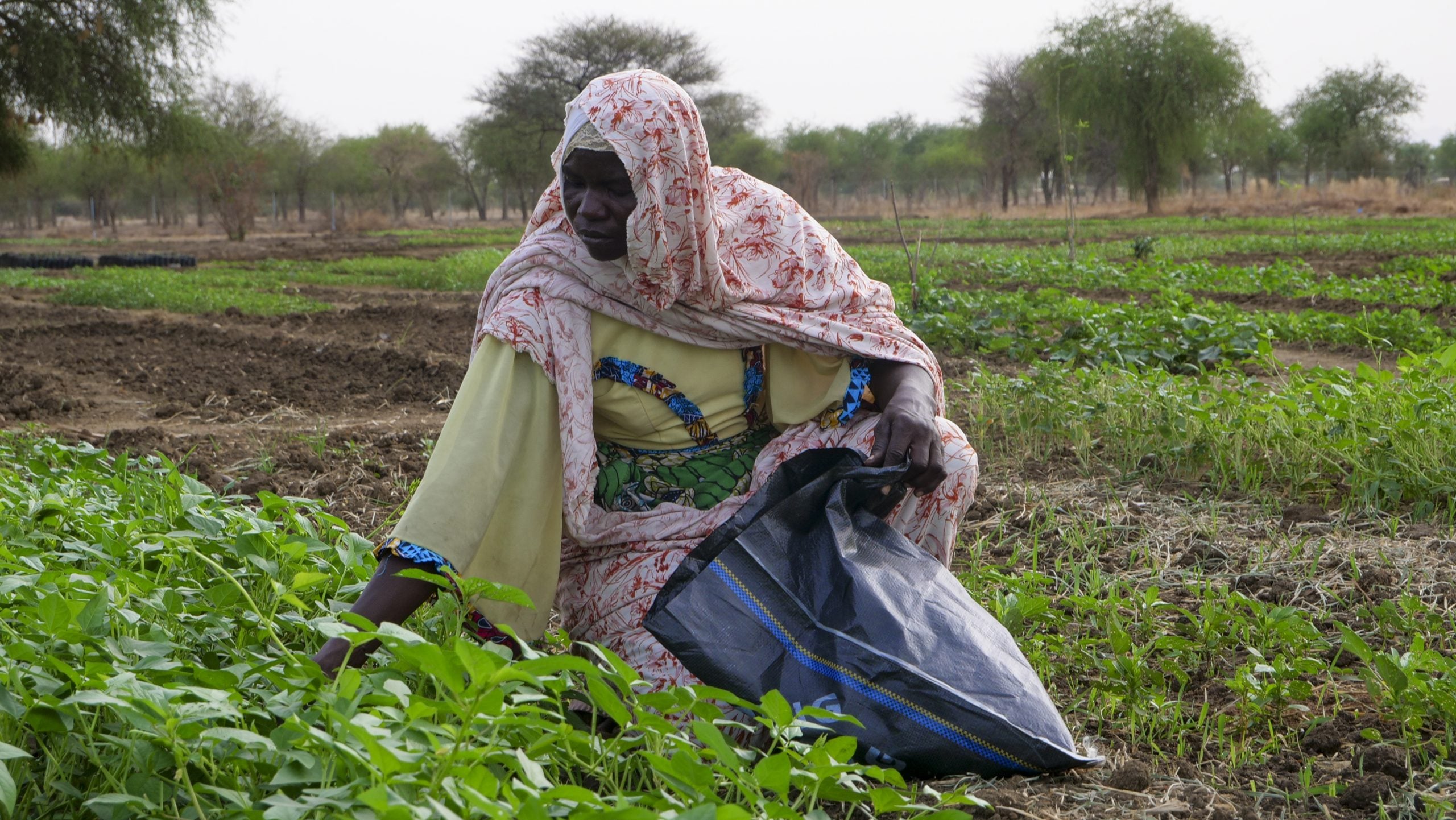
The Sahel Integrated Resilience Initiative was recognized as a World Restoration Flagship at UNCCD COP17 in Ulaanbaatar, Mongolia. Since 2018, the program has rehabilitated 335,000 hectares across five African nations, boosting food security and livelihoods for over four million people facing severe climate pressures.
Rehabilitating the Sahel: Scale, Methods, and 2030 Targets
Spanning Burkina Faso, Chad, Mali, Mauritania, and Niger, the Sahel Integrated Resilience Initiative combines large-scale land rehabilitation with immediate community support. Implemented in partnership with governments, local communities, UN agencies, and major donors—notably Germany’s Federal Ministry of Economic Cooperation and Development—the program has rebuilt over 335,000 hectares of degraded land since 2018.
Restoration practitioners utilize a range of specialized dryland techniques to reverse soil degradation, improve water retention, and restore vegetation cover. Interventions include traditional zai pits, stone bunds, dune stabilization, agroforestry, wetland restoration, floodwater-harvesting dikes, and the planting of native species.
By 2030, the initiative aims to expand its footprint to 470,000 hectares. Organizers project that meeting this target will boost regional biodiversity and sequester up to 20 million tons of carbon dioxide—an emissions offset equivalent to avoiding the consumption of almost 47 million barrels of oil.
Humanitarian Impacts and the Looming Lean Season Crisis
This international recognition arrives as the region confronts severe food security challenges. An estimated 7.4 million people are projected to face crisis-level or worse food insecurity during the June-August 2026 lean season across the Sahel, driven by the intersecting pressures of climate change, persistent drought, desertification, and ongoing geopolitical tensions.
“The impacts of climate change, drought and desertification, as well as ongoing geopolitical tensions, are hitting global food systems hard.”
Inger Andersen, Executive Director of the UN Environment Programme
Despite these headwinds, monitoring data shows measurable gains. Satellite-based assessments indicate that 75 percent of World Food Programme resilience sites have recorded improved soil and vegetation conditions. Participating households have maintained or improved their food security, with the proportion of the population requiring humanitarian assistance dropping by approximately 11 percent during the lean season.
Beyond ecological restoration, the program integrates school feeding, nutrition interventions, and livelihood creation. These measures help shield vulnerable populations from climate shocks, drought, and conflict, including cross-border refugees displaced by the war in Sudan.
Chad’s Ground-Level Intervention and Regional Pressures
In Chad alone, resilience interventions reached more than one million people across 313 villages in 2025. Field operations focused on dune stabilization, soil restoration through stone bund construction, and the building of floodwater-harvesting dikes.
“Our lands are under enormous anthropogenic pressure due to intense migratory flows and the effects of climate change. Acting for their restoration is a priority, a shared responsibility. Any initiative taken in this regard deserves our support.”
Hassan Bakhit Djamous, Chad’s Minister of Environment, Fisheries and Sustainable Development
Similar pressures are felt across the wider region. Officials emphasize that turning degraded watersheds into productive land rebuilds human capital alongside natural ecosystems, establishing a foundation for long-term stability.
“Land degradation is not irreversible. We have the knowledge, the tools, and the capacity to make a difference. What we need now is greater investment to scale up these efforts and build lasting resilience.”
Kinday Samba, World Food Programme Regional Director for Western and Central Africa
Broader Rangeland Strategies and Continental Monitoring
The Sahel initiative was honored alongside projects in Brazil and Saudi Arabia as part of the UN Decade on Ecosystem Restoration, led by the UN Environment Programme and the Food and Agriculture Organization of the United Nations. Together, these three global programs have committed to restoring nearly five million hectares by 2030.

At the same COP17 gathering in Ulaanbaatar, discussions expanded to include rangeland management. FAO Deputy Director-General Beth Bechdol noted that approximately 60 percent of the 1.66 billion hectares of agricultural land degraded globally—including croplands and pastures—could yield food for an additional 154 million people annually if just 10 percent of that land were restored. Bechdol also highlighted FAO’s leadership of Open DEAL—Data for Environment, Agriculture and Land, which utilizes very high-resolution satellite imagery across 300,000 sampling points to identify 162 million hectares of degraded land in the Sahel Great Green Wall area requiring targeted intervention.
Related reading
US Launches Operation Economic Outcast to Target Iran Trade Partners
The United States has widened its economic pressure campaign against Iran by launching Operation Economic Outcast, targeting nearly...

Kremlin Adviser Warns UK Drone Factories May Face Attacks
Following a high-profile visit to Kyiv by UK Prime Minister Andy Burnham, Kremlin advisor Andrei Fedorov warned that...

Trump Threatens 50% Tariffs on Canadian Vehicles and Steel
US President Donald Trump announced on Monday that United States tariffs on all Canadian cars, trucks, automotive parts,...
Australia Updates Skilled Visa Processing Priorities Under Direction 119
Australia has introduced Ministerial Direction 119, reshaping skilled and employer-sponsored visa processing from July 25, 2026.