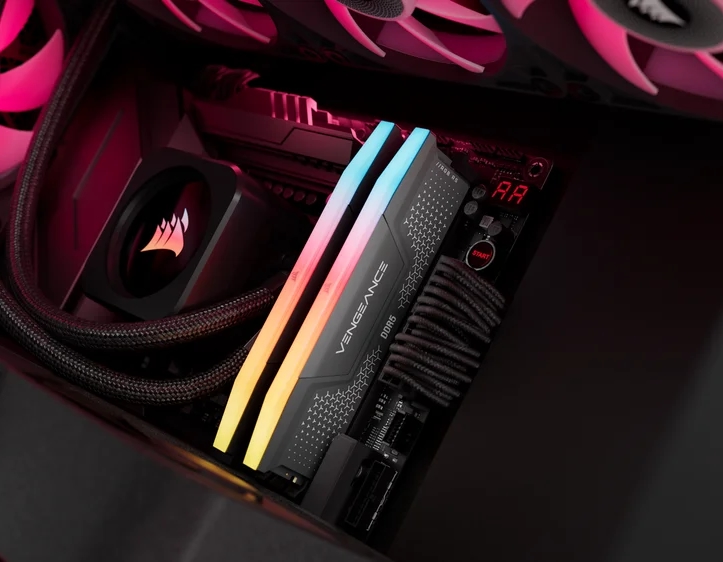
Automated scalper bots outnumber real human DDR5 RAM shoppers by up to 10-to-1 on online retail pages. A cybersecurity researcher has warned that coordinated bot operations monitoring DDR5 memory availability have surged dramatically amid severe component shortages and skyrocketing hardware prices.
The 10-to-1 Bot Invasion on DDR5 Retail Pages
Real shoppers attempting to purchase desktop memory online are currently facing staggering automated competition. Security analysts monitoring e-commerce traffic have revealed that scalping programs outnumber actual human buyers by a margin of 10-to-1 on product pages run by certain hardware retailers. A cyber security analyst has revealed a rather grim reality, noting that scalping bots outnumber real humans 10:1 on DDR5 product pages of a certain unnamed retailer. More granular traffic analysis indicates that a staggering 91% of all traffic hitting a specific retailer’s DDR5 RAM product pages appears to now be solely composed of bots, according to Jérôme Segura, a cybersecurity researcher who also happens to be the VP of Threat Research at Datadome. This digital takeover follows a troubling trajectory seen earlier in the year in a similar report published in March, which indicated that only one in six visitors on the same website were actual humans.
The underlying automation goes far beyond simple web scraping. Automated scalpers make over 50,000 requests each hour and check listings every 6.5 seconds. These sessions don’t demonstrate any real shopping behavior: bots hit one page and exit, avoid carts and search, and add cache-busting parameters to every request, which is usually used to monitor stock and prices in real time.
Infrastructure Behind the Automated RAM Sweep
DRAM shortages have transformed computer memory into a prime target for automated flipping operations because demand is rapidly outpacing supply. Jérôme Segura, Vice President of Threat Research at Datadome, noted the heavy coordination behind the influx.
“When prices spike and supply tightens, bot operators move fast. They build monitoring infrastructure, corner available stock, and flip it at a premium. The automation here isn’t simple scraping. These are coordinated operations with infrastructure built specifically for this…As long as DDR5 stays scarce, bot pressure on these product pages will stay elevated.”
Jérôme Segura, VP of Threat Research at Datadome
Frustrating as this may be for actual shoppers, it doesn’t come as a surprise. In just the past few months, we’ve seen bots overtake humans in global web traffic. With humans having to compete with bots for everything from concert tickets to new gaming consoles, it was only a matter of time before those bots came for RAM, too. Scalping has always terrorized markets with high demand and low supply, such as GPUs, consoles, and now, thanks to the DRAM shortage, DDR5 RAM.
Skyrocketing Hardware Costs and Industry Ripple Effects
For instance, a consumer-grade 32 GB DDR5-6400 RAM kit from Crucial was priced at roughly $88 last year in September. The price shot up to around $270 in December of that year and subsequently up to a whopping $400 in June of this year. Right now, the same kit costs an eye-watering $480 on Amazon, with occasional dips here and there. DDR5 RAM kits have witnessed a nearly 5x price increase in less than a year. Over the past few weeks and months, we have witnessed several OEMs jacking up prices to keep up with the DDR5 shortages.

The fallout extends well beyond custom desktop building. Even industries that do not make much use of DRAM are also being affected by it. For instance, major mini-LED player KTC recently revealed that they were also planning on introducing price hikes in order to keep up with component prices. Sony has also been forced to delay its next generation consoles, owing to the same reason.
Long-Term Market Outlook and Supply Timelines
Relief for consumers remains a distant prospect. Corsair DDR5 RAM pricing is not expected to return to saner levels until around 2027. Given that the DDR5 shortage is not expected to ease until at least 2028, the future sure does appear rather grim for gamers and consumer technology enthusiasts in general. Until manufacturing supply catches up with structural demand, cybersecurity monitors expect bot traffic density on hardware retail pages to remain exceptionally high.
Worth a look

Dokkaebi’s World Ranks Second in Revenue on Major App Stores
Kakao Games and Supercat launched Dokkaebi's World on October 8, quickly claiming the top spot on the Apple...
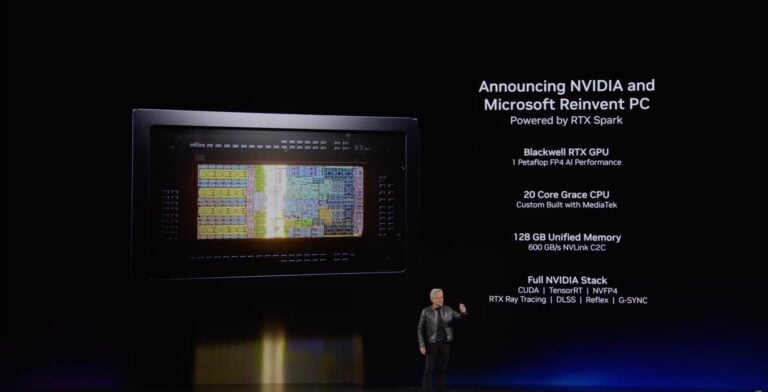
Microsoft and Partners Open Pre-Orders for RTX Spark Windows PCs
Microsoft and hardware vendors opened global pre-orders for RTX Spark Windows PCs, featuring unified memory architectures designed to...

Apple Unveils iPhone Duo Foldable Starting at $1,999
Apple introduces its first book-style foldable smartphone, the iPhone Duo, starting at $1,999 for 256GB and carrying an...

Koofr Offers 1TB Lifetime Cloud Storage for $129.99 via StackSocial
Shoppers seeking alternatives to recurring cloud storage expenses can secure one terabyte of Koofr cloud storage for a...