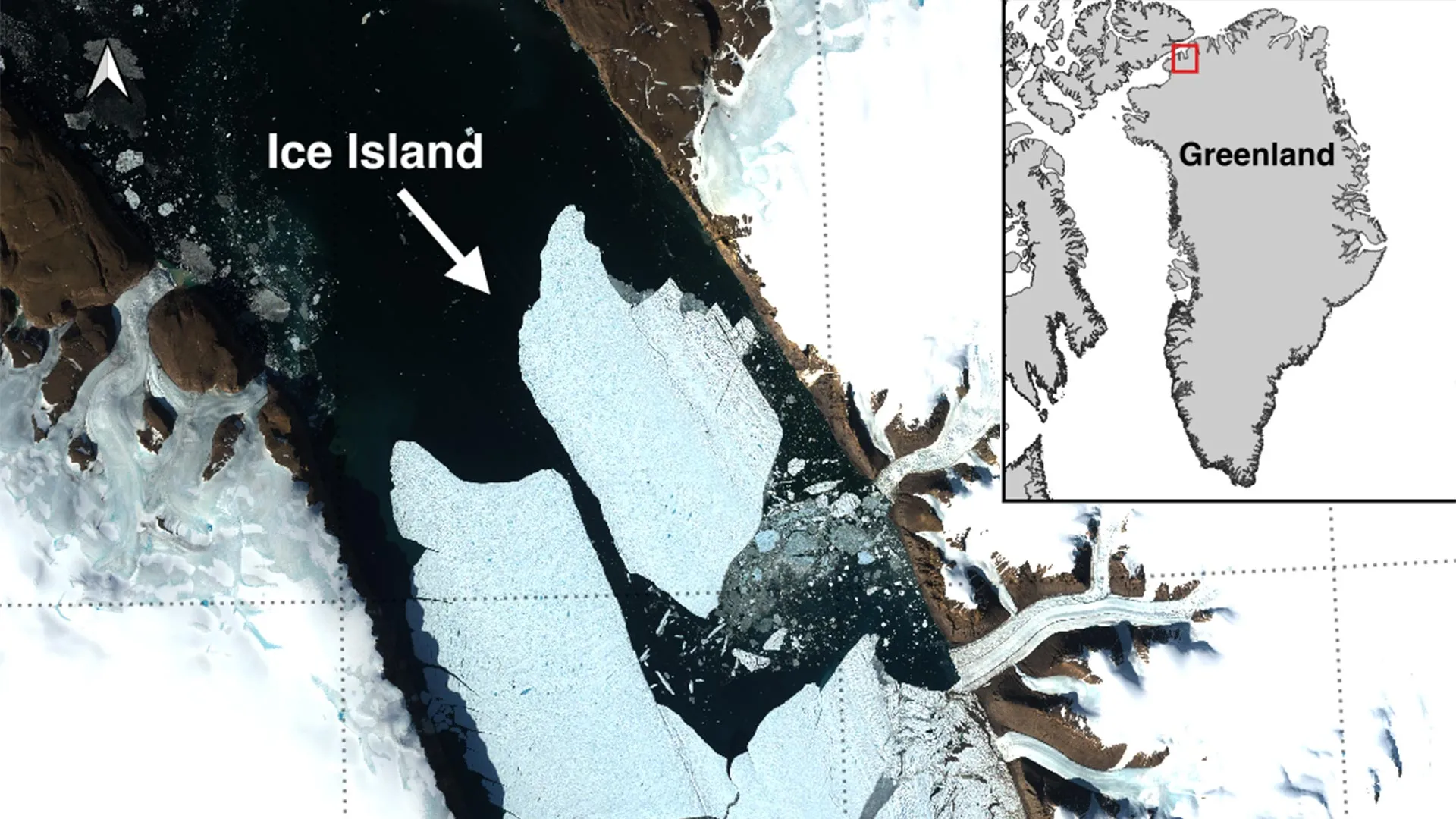
A Manhattan-sized ice island measuring 76.4 square kilometers broke away from Greenland’s Petermann Glacier on August 4, 2026. Captured by the European Space Agency’s Sentinel-1 mission, this major calving event is the glacier’s largest floating ice loss since 2012 and the Arctic’s most significant since 2020.
An international team of researchers using satellite observations has documented a dramatic fracture at one of Greenland’s largest remaining ice tongues. The newly separated tabular iceberg carries a thickness of up to 150 meters, presenting an imposing floating mass that scientists will now track as it drifts through ocean currents.
Satellite Monitoring and the August 4 Breakup
Researchers from an international collaboration involving the University of Ottawa, the University of Stirling, Environment and Climate Change Canada, Lancaster University, and the University of Leeds have tracked changes at Petermann Glacier using long-term satellite observations since 2019. Over that period, the team monitored the glacier’s floating ice tongue, watching rifts propagate across the structure.
Radar imagery collected on August 3 by the European Space Agency’s Copernicus Sentinel-1 mission revealed pronounced deterioration along the centerline of the ice tongue. By 20:00 UTC on August 4, the tabular iceberg had fully separated from the glacier’s eastern side.
“Petermann Glacier has long been one of Greenland’s largest remaining ice tongues, We’ve anticipated this break for years, and seeing it finally happen is remarkable.”
Adam Garbo, PhD student in glaciology at the University of Ottawa, via Sciencedaily
Context in Arctic Ice Dynamics
While tabular icebergs of this scale are common around the Antarctic Ice Sheet, comparable ice islands in the Arctic are significantly rarer. The August calving marks Petermann’s largest floating-ice loss since 2012 and the most significant calving event in the Arctic since 2020.

The glacier previously produced notable ice islands in 2008, 2010, and 2012. Despite those historical fractures, the floating ice tongue maintained relative stability over the intervening years until the recent acceleration in rifting.
“While large, tabular icebergs are relatively common in the Southern Ocean that surrounds the Antarctic Ice Sheet, Arctic ice islands are far rarer. By studying Arctic ice islands, we will gain knowledge that can be transferred across Polar regions.”
Dr. Anna Crawford, Senior Lecturer in Physical Geography at the University of Stirling, via Sciencedaily
Projected Future Losses and Regional Risks
Scientists monitoring the region warn that the August event is unlikely to be the last major change at Petermann Glacier. Two additional large sections of the floating ice tongue are actively developing rifts that researchers expect to detach in the near future.

Beyond scientific observation, the detachment carries practical implications for marine safety. Environment and Climate Change Canada is tracking the iceberg’s trajectory to assess potential hazards.
“These are thick blocks of ice that can drift for years. Over time, they fracture into smaller, harder-to-track pieces that pose hazards to vessels and resource operations.”
Abigail Dalton, Canadian Ice Service, Environment and Climate Change Canada, via Gizmodo
Researchers plan to continue following the aftermath with satellite imagery, aerial observations, and tracking data as the Manhattan-sized ice island drifts into the Atlantic and breaks apart over time.
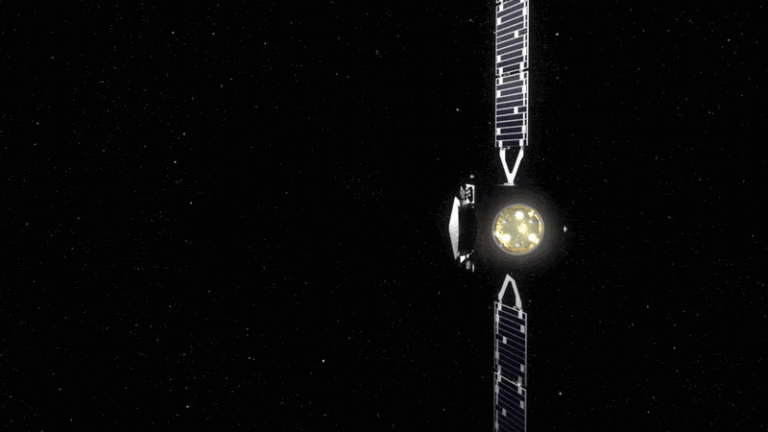
ESA’s Hera Spacecraft Spots Target Asteroid Didymos
Two years after launch, the European Space Agency’s Hera spacecraft has successfully spotted its target binary asteroid system...
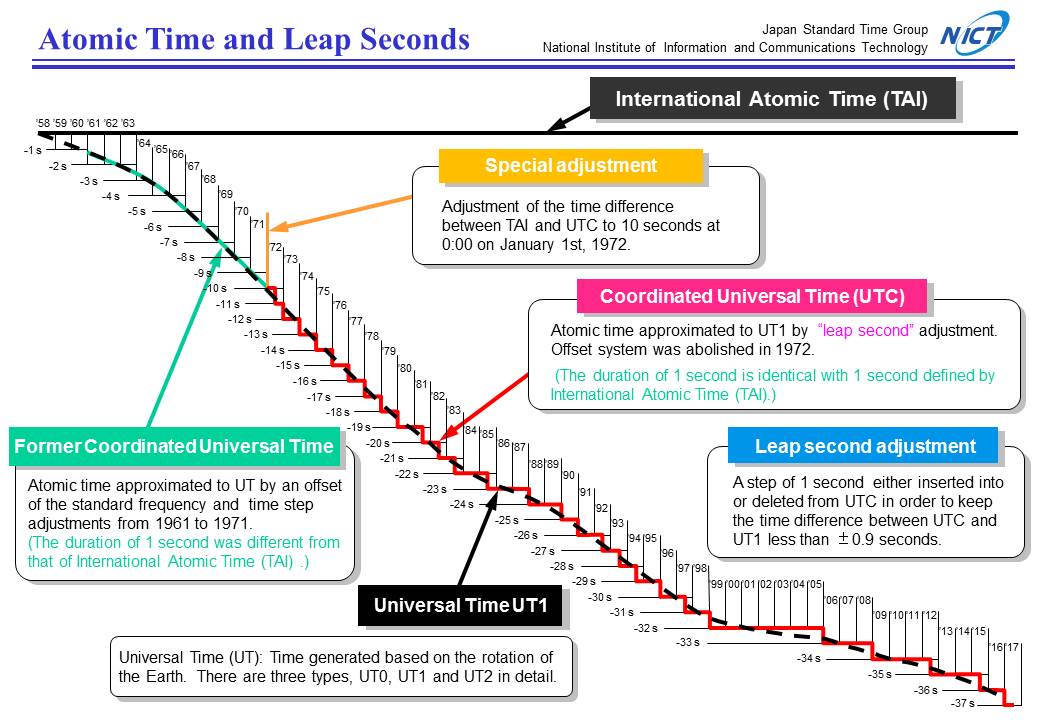
Delegates to Vote on Abolishing Leap Second to Protect Systems
Delegates meeting near Versailles this week will vote on abolishing the leap second, driven by Earth's recent speed-up.
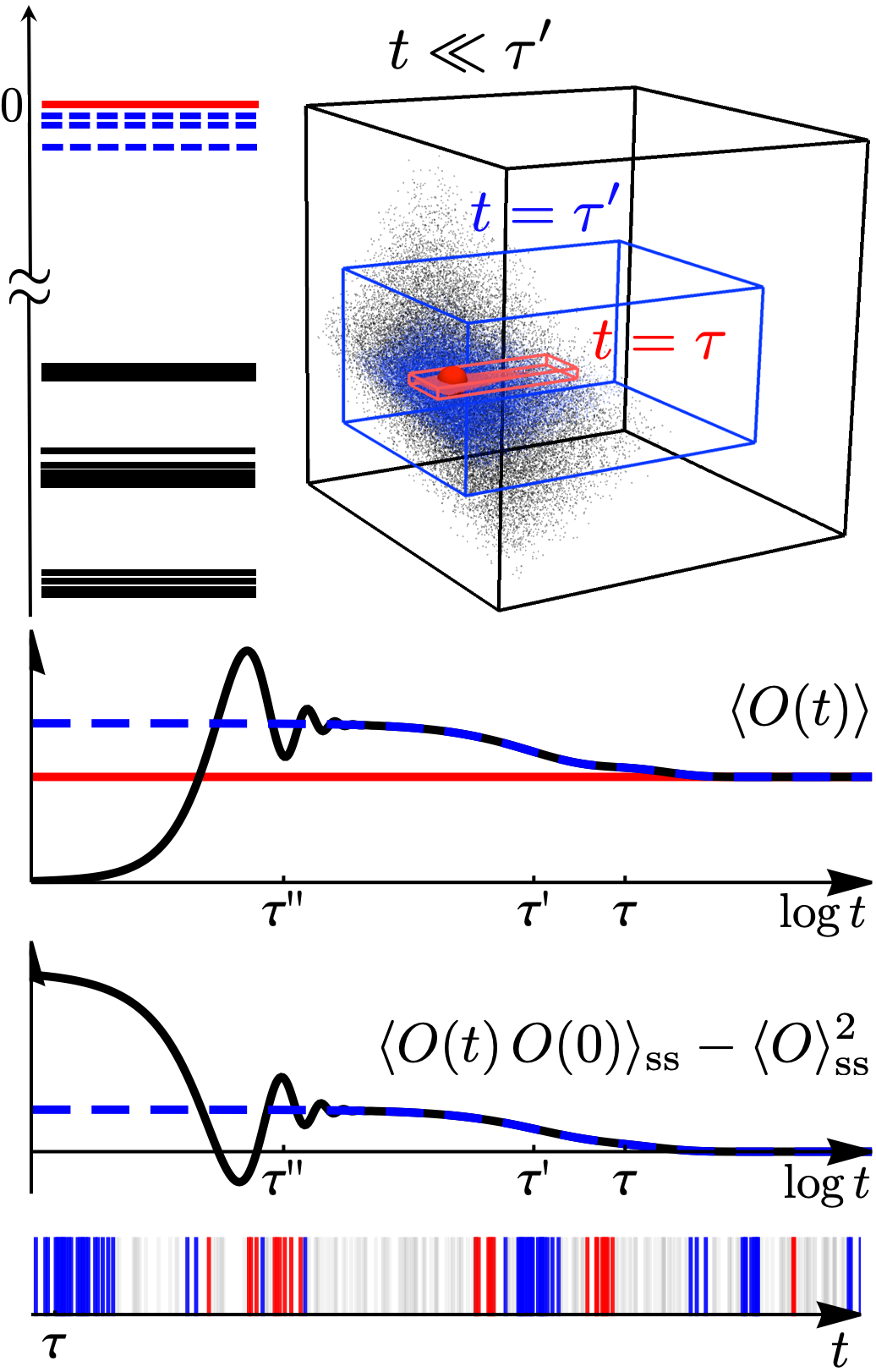
Researchers find quantum systems retain statistical traces of initial states
Researchers at Harvard University, Tampere University, and TU Dresden published findings in Physical Review X on October 11,...
NASA Releases Artemis II Lunar Science Data and Farside Images
NASA released nearly a terabyte of Artemis II science data and reports on Wednesday, featuring 11,000 images, audio...