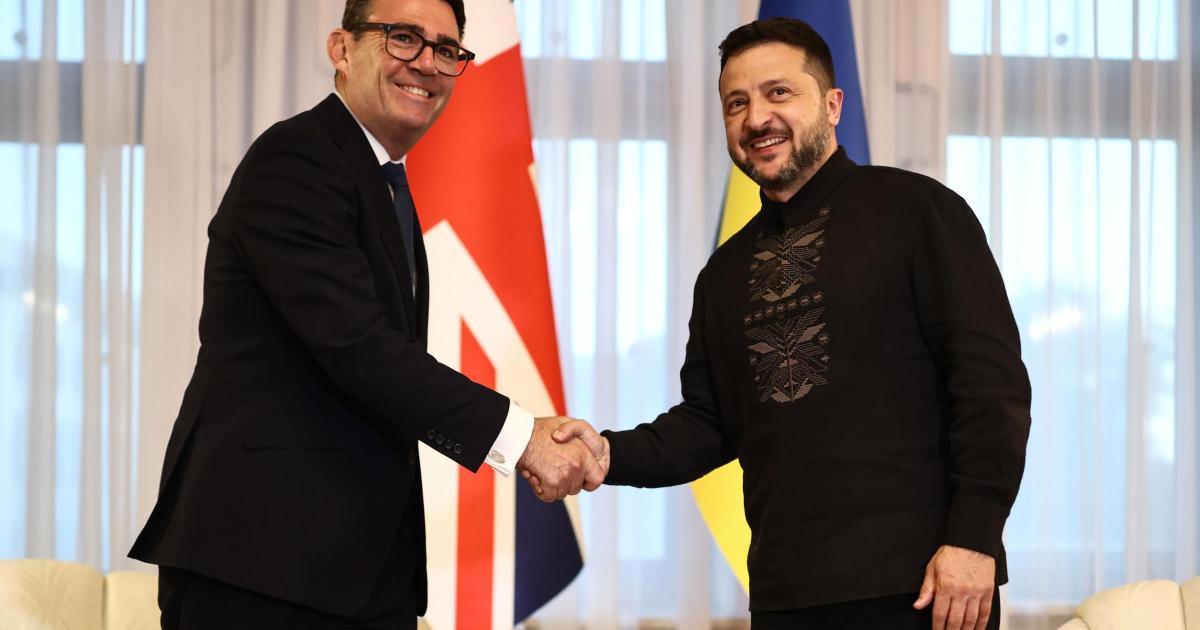
Following a high-profile visit to Kyiv by UK Prime Minister Andy Burnham, Kremlin advisor Andrei Fedorov warned that British drone factories could face attacks from unknown sources. The diplomatic friction intensifies as London shares missile blueprints with Ukraine and lobbies for crucial Patriot interceptor air defense systems ahead of winter.
British military support for Ukraine has drawn sharp retaliatory rhetoric from Moscow, punctuated by threats directed squarely at the UK’s industrial base. Andrei Fedorov, an adviser to the Kremlin, stated that Russia is facing intense public and media pressure to take measures against Britain in response to its deepening military assistance.
The tensions escalated as Prime Minister Andy Burnham traveled to Kyiv for his first official international visit since entering No 10 in July. During the trip, Burnham met with Ukrainian President Volodymyr Zelensky and reaffirmed London’s steadfast backing against ongoing Russian bombardment, while Ukraine handed over what officials have called a “goldmine” of battlefield data to help bolster British security.
Kremlin Warnings and the Threat to British Drone Factories
While speaking on BBC Newsnight, Fedorov—who formerly served as Russia’s deputy foreign minister—stated he could not “100% excludethe prospect of
semi-military” action against Britain. When pressed on what a semi-military response might entail, the Kremlin adviser pointed directly to manufacturing sites.
“For example, something might happen with enterprises, with the factories which are producing drones for Ukraine, etc etc.”
Andrei Fedorov, Kremlin adviser
Asked specifically if Russian military forces would directly strike factories inside Britain, Fedorov maintained that any such assault would be carried out not by Russia, but by… from unknown sources.
He suggested that potential actions could also include technical reactions, such as hacker attacks from an unknown source, as well as different political steps.
These assertions mirror statements made by President Vladimir Putin’s spokesman, Dmitry Peskov, who criticized London for methodically adding fuel to the fire. Peskov argued that UK actions prevent even the slightest progress toward achieving peace and confirmed that the Russian military was already gathering data to locate any missile production sites to destroy them.
Missile Blueprints and the ‘Coalition of the Willing’ Strategy
The immediate catalyst for Moscow’s warnings is the UK’s agreement to declassify and hand over technical blueprints for British-made components for the Scalp missile, a French-produced version of the Storm Shadow cruise missile that has already been used to hit targets in Russia. By sharing these specifications—symbolised by the announcement that the UK had agreed defence firm MBDA could release classified information—Ukraine will gain the domestic capacity to manufacture long-range strike weapons independently.
During his visit to the Ukrainian capital, Burnham pushed back against Moscow’s condemnation of the arms transfers, posing a direct question to reporters: Who started the fire? That's the question, isn't it?
Burnham also chaired his first coalition of the willing meeting, an international alliance established under his predecessor Sir Keir Starmer. A No 10 spokeswoman stated that the leaders agreed it had been an honest and productive conversation, emphasizing the strength of unity among coalition members and reiterating that the international community needed to step up to ensure Ukraine got the support it needed to defend itself from Russia’s barbaric attacks going into the winter.
Air Defense Shortages and Washington Diplomacy Ahead
The urgency behind the European leaders’ diplomatic push stems from a critical shortage of air defense interceptors. Ukraine has struggled under continued Russian bombardment, with Russia stepping up ballistic missile strikes to capitalise on shortages, killing at least 23 people and wounding more than 100 in the past three days alone. Supplies of US-made Patriot interceptor missiles have been diverted to the Middle East since the outbreak of war with Iran, leaving Ukraine receiving significantly fewer missiles this year than in previous years.
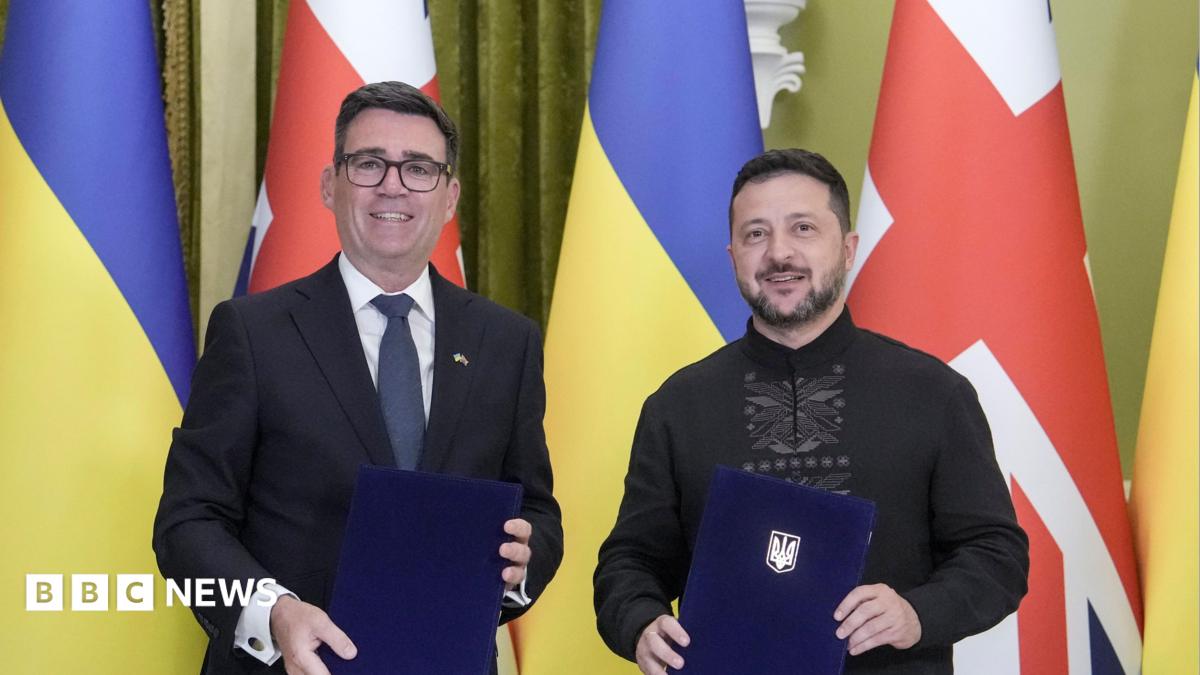
President Zelensky has repeatedly pleaded for more US-made Patriot interceptor missiles in recent months as Kyiv’s stocks have diminished, hoping to secure 300 Patriot missiles ahead of winter. Addressing the shortfall during an interview with Bloomberg, Burnham stated that he felt really confident
the issue was “fixable,” pointing out that other players who could help in the mix had influence with them, making it a solution that involves a lot of layers and a lot of negotiation.
During his visit, Burnham also played Rusholme Ruffians by The Smiths on a guitar handed to him by a Ukrainian soldier inside the mobile recording studio of the military and artistic unit who perform on the front line, in hospitals and at rehabilitation centres.
Looking ahead, Burnham confirmed plans to travel to the US next month to lobby US President Trump on Ukraine’s defence needs, telling Bloomberg, I'm looking forward to going to New York in September,
when the UN General Assembly will meet. He noted that while the details were not fully confirmed,
it is “likely” he will go on what would be his first trip to the US since becoming prime minister in July.
Worth a look

Court Releases Abhijeet Dipke and CJP Leaders in New Delhi on October 11
Following a massive security clampdown and the detention of thousands in New Delhi, a local court ordered the...
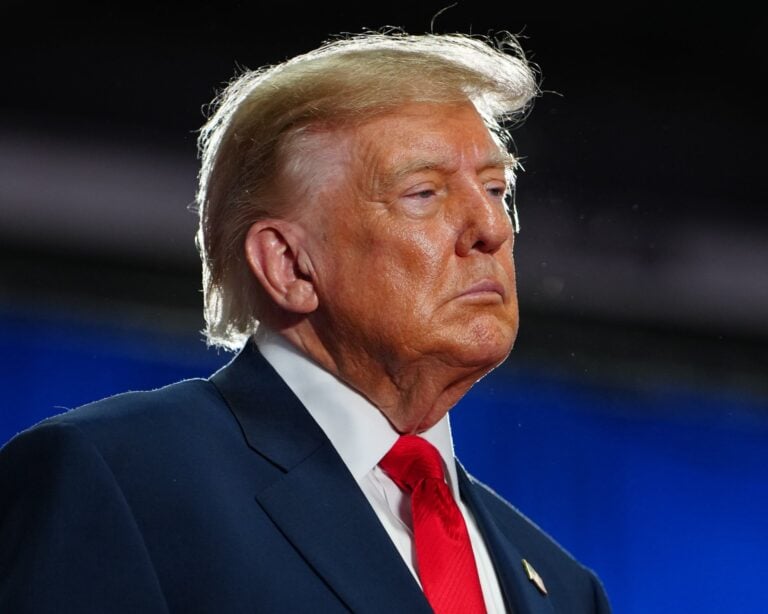
Trump says Norway has an ‘indelible stain’ for not awarding him Nobel Peace Prize
Navi Pillay, a South African jurist and former United Nations human rights chief, won the 2026 Nobel Peace...
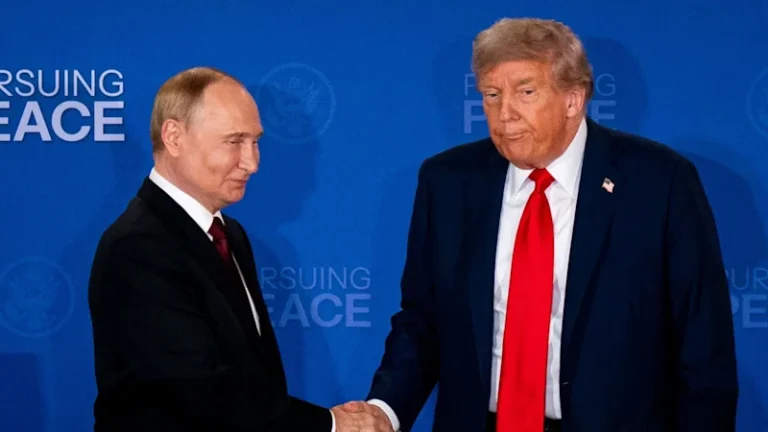
Trump Announces Russian Diesel Deal as Zelensky Condemns Agreement
US President Donald Trump announced a deal with Russian President Vladimir Putin to import Russian diesel into the...

Germany Indicts Former Ukrainian Officer in Nord Stream Sabotage Case
Four years after underwater explosions ruptured the Nord Stream pipelines, Germany’s federal prosecutor has indicted a former Ukrainian...