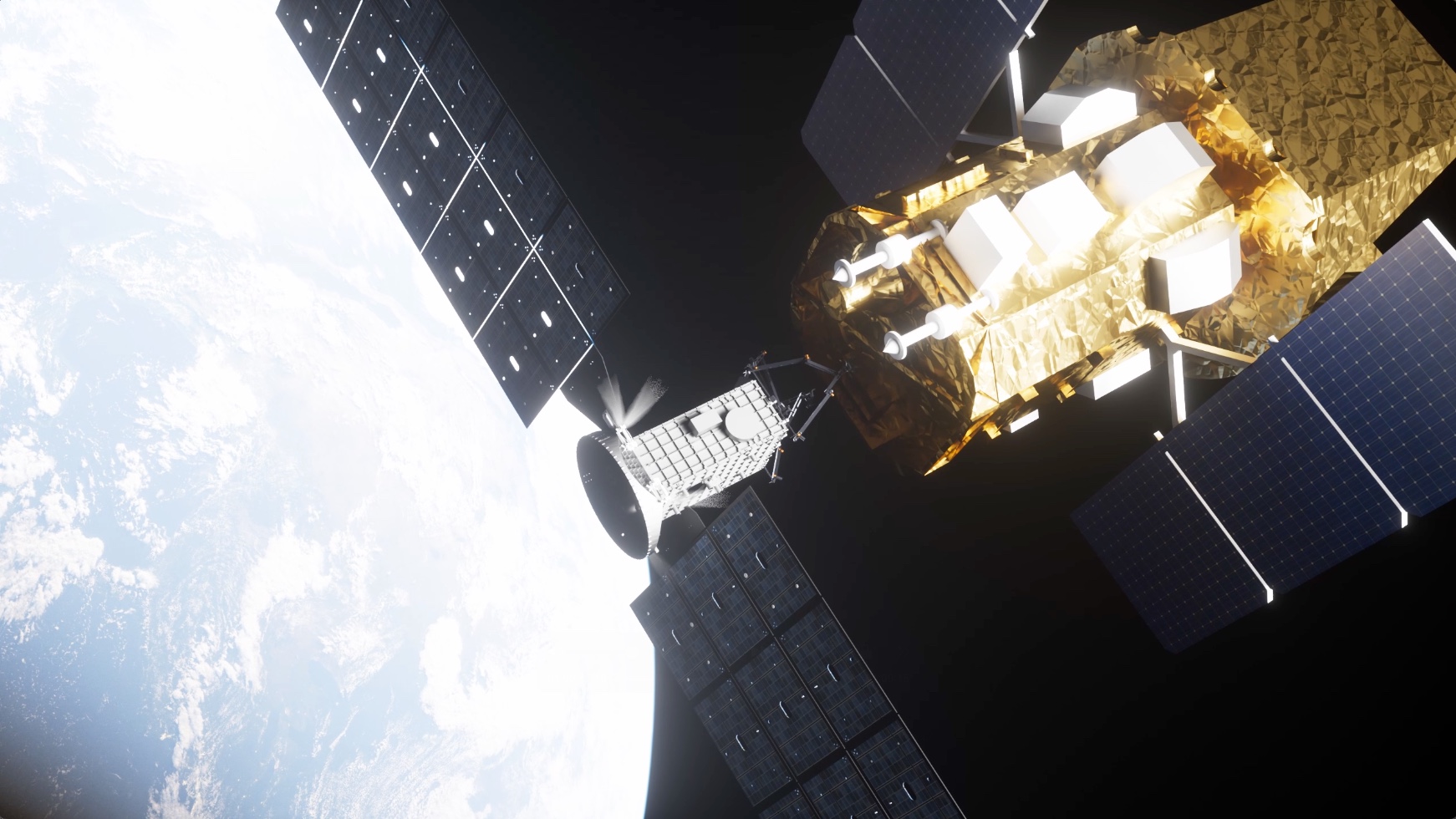
NASA and Katalyst Space announced they have abandoned plans to use a commercial spacecraft to boost the ailing Neil Gehrels Swift Observatory into a higher orbit. The $30 million mission encountered critical attitude control failures, leaving the robotic vehicle without sufficient fuel for the maneuver, though proximity imaging tests remain planned.
Technical Failures Derail NASA Telescope Boost Plan
A commercial attempt to rescue one of NASA’s veteran space telescopes has fallen short of its primary objective. Space agencies and commercial operators jointly announced Aug. 19 that the LINK spacecraft, built by Katalyst Space, will no longer attempt to capture and raise the orbit of the Neil Gehrels Swift Observatory, after the vehicle lost two of its three reaction wheels, causing attitude control problems.
The $30 million mission faced severe operational hurdles after the commercial servicing spacecraft lost those reaction wheels shortly after launch in July. NASA and Katalyst announced Wednesday that the LINK spacecraft will not capture or boost an agency satellite to a higher altitude to extend its science mission as planned.
Propellant Shortfalls and Tight Timelines Force a Pivot
Engineers compensated for the lost reaction wheels by using the spacecraft’s main propulsion system, a set of Hall-effect thrusters, gimballing the thrusters to provide attitude control. However, that meant that the spacecraft could not maintain full attitude control when those thrusters were not firing. The spacecraft has reaction control system, or RCS, thrusters to compensate, but they use the same propellant as the main thrusters.
We ended up using much more propellant than was originally allocated for this portion of the mission because of these attitude control issues,
Ghonhee Lee, chief executive of Katalyst, said in an Aug. 26 interview during the Small Satellite Conference in Salt Lake City. We just didn’t have the fuel to do a meaningful boost of Swift.
That was the main factor in the decision to call off the reboost attempt, he said. An additional issue was that the reduced control actuators did not give Link the precision needed to effectively grapple Swift. With a reboost off the table, the company is now working to move Link to the vicinity of Swift.
The rescue effort itself was designed under extraordinary time pressures. We knew this was a high-risk, high-reward mission – a first-of-its kind attempt, developed on an unprecedented timeline driven by the Sun’s activity,
said Shawn Domagal-Goldman, director, Astrophysics Division, NASA Headquarters in Washington.
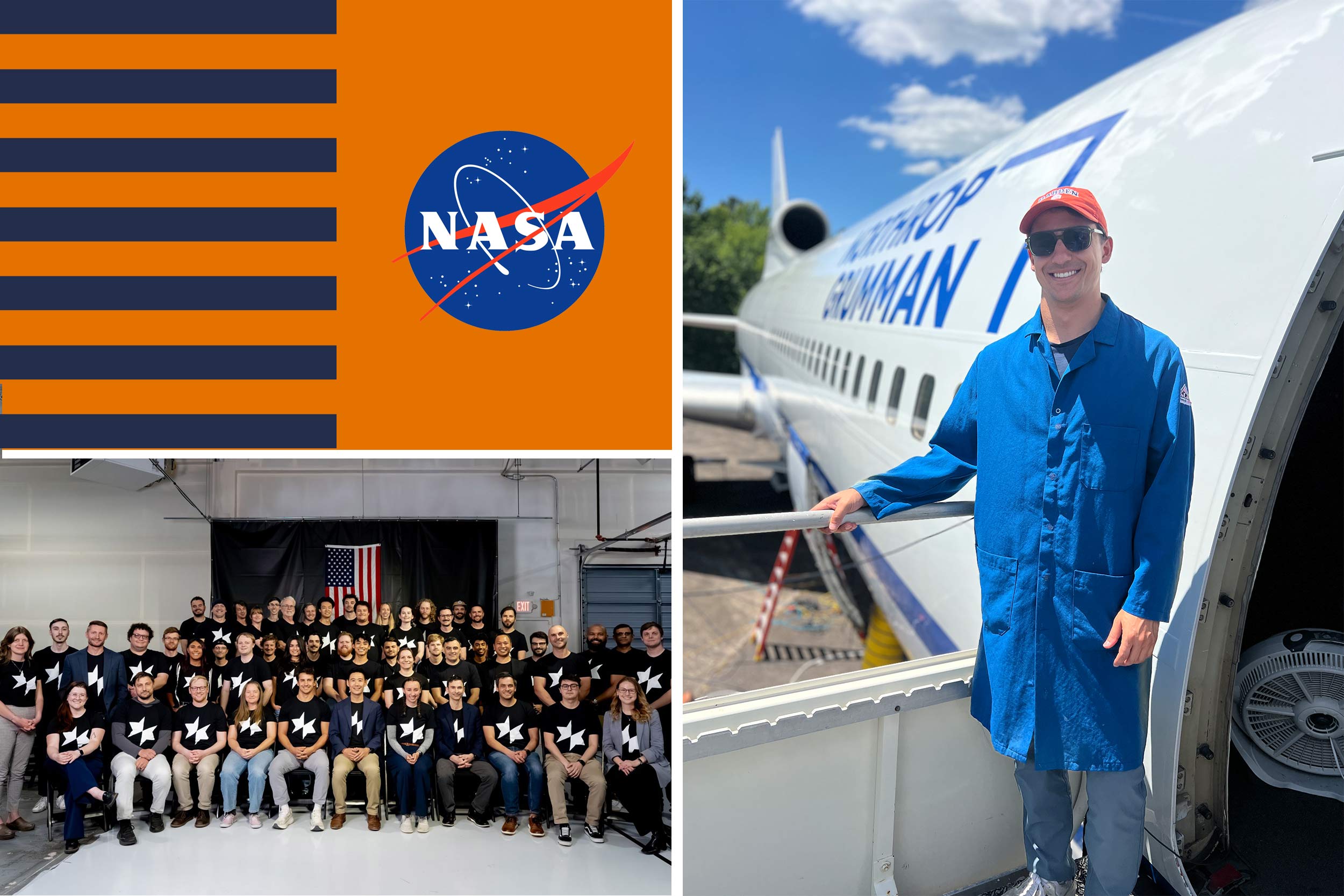
Katalyst won a contract to build a robot spacecraft that would fly to the ailing observatory, grab it, and boost it into a higher orbit, something that has never been done before. The team worked around the clock to design, build, test, break, redesign, retest, integrate and launch the LINK spacecraft in nine months,
said Nicolaas Drapanas, a 2018 graduate of the College of Arts & Sciences and a systems test engineer on the project. A normal timeline, he said, is measured in years. The gravity of the mission, rescuing one of NASA’s flagship telescopes, was our guiding light,
he said. The urgent timeline motivated the team to sustain that pace.
Pivoting to Proximity Operations and Future Servicing
Although the reboost is cancelled, Katalyst Space continues to operate its spacecraft to gain experience for future satellite servicing missions. LINK still will attempt to conduct rendezvous and proximity operations with NASA’s Neil Gehrels Swift Observatory to demonstrate key capabilities for the future of space exploration.
We believe that rendezvous is still on the table, that we’ll be able to get within close proximity and be able to image Swift with our sensors, Ghonhee Lee said
NASA should be willing to move quickly and take smart risks when the potential return is worth it, and that is exactly what we did with this mission,
said NASA Administrator Jared Isaacman. “This is not the outcome we were working toward, but it does not change why this mission was worth attempting. The team moved with extraordinary speed to give Swift a chance to carry out more science while advancing capabilities America will need for satellite servicing in the future. We are going to learn everything we can from LINK’s rendezvous attempt and put those lessons to work on the missions that follow.”
Broader Implications for In-Space Operations
NASA and Katalyst are working closely to assess next steps for rendezvous and gather as much data as possible to inform future satellite servicing operations. We were all hoping for more science from Swift. But we knew the takeaways from this mission would be worthwhile either way, and we have gained so much through the series of accomplishments up to this point,
Shawn Domagal-Goldman noted.
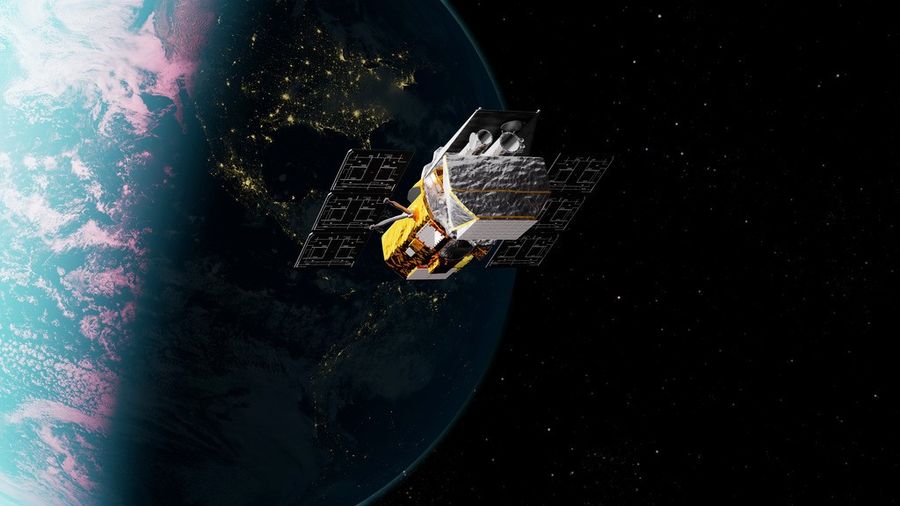
Without intervention, NASA anticipates Swift is likely to re-enter Earth’s atmosphere later this year. As part of the agency’s previous planning for Swift’s end of life, NASA will continue to prioritize finding new options to react rapidly to cosmic events, using current missions to help fill the gap in the meantime.
Related reading

JWST Finds Planet Formation Is a Race Against Time in 72 Young Star Systems
Using the James Webb Space Telescope (JWST), astronomers have studied 72 young, sun-like stars to investigate how protoplanetary...
NASA’s Swift Observatory to Crash After Katalyst Space Technologies Failure
NASA's aging Neil Gehrels Swift Observatory is set to plunge into Earth's atmosphere later this year after a...
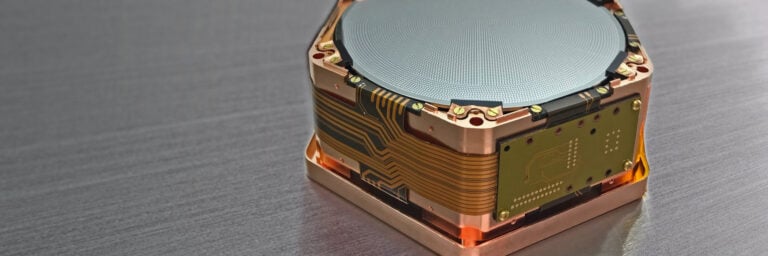
SuperCDMS Begins Collecting Dark Matter Data at Canadian SNOLAB Facility
Scientists conducting the Super Cryogenic Dark Matter Search (SuperCDMS) experiment at SNOLAB have begun collecting their very first...

NASA Roman Space Telescope Arrives at Launch Site for August Liftoff
NASA’s Nancy Grace Roman Space Telescope has arrived at its SpaceX hangar at Launch Complex 39A at NASA’s...