Scientists conducting the Super Cryogenic Dark Matter Search (SuperCDMS) experiment at SNOLAB have begun collecting their very first scientific data. Dark matter is estimated to make up 85% of all matter in the universe, representing one of the greatest mysteries in modern physics.
SuperCDMS Begins Collecting Early Data at SNOLAB
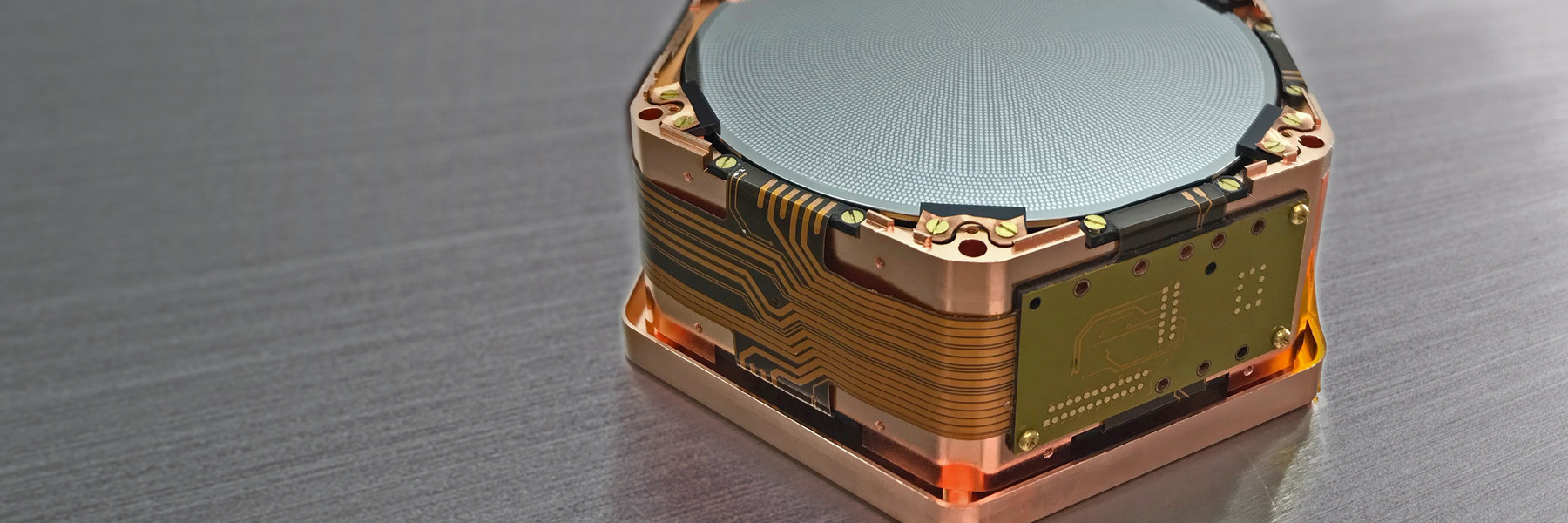
The experiment is situated more than a mile beneath Earth’s surface inside a deep underground laboratory located in the Vale Creighton mine near Sudbury, Ontario. This subterranean placement helps shield sensitive equipment from background radiation. Within this facility, the experiment houses 24 ultra-pure silicon and germanium crystals—each about the size of a hockey puck—housed inside a refrigerator cooled to near absolute zero, making it colder than outer space.
Early-Science Phase and System Fine-Tuning
During the current early-science phase, which runs through fall 2026, researchers are using the initial data collection period to fine-tune the system and test how the detectors and cryogenic cooling perform together. According to Tina Cartaro, SuperCDMS operations manager at the Department of Energy’s SLAC National Accelerator Laboratory, the team is working to unlock the design sensitivity of the equipment.
The search for dark matter at SuperCDMS SNOLAB is finally underway,
Cartaro said, noting that even at this preliminary stage, the most sensitive detectors carry the potential to yield breakthrough discoveries.
Following the conclusion of this initial data-taking period in late 2026, the collaboration plans a warm-up and maintenance phase to further optimize both the cryogenic system and the surrounding noise environment. That period will lead directly into a full year of data collection with the detectors running at optimized, full sensitivity.
Exploring Lightweight Dark Matter Particles
SuperCDMS operates as a second-generation experiment designed specifically to target “light” dark matter. These hypothetical particles are extremely lightweight, meaning their interactions with ordinary matter leave only faint traces that are exceptionally difficult to capture.

When a dark matter particle strikes one of the silicon or germanium crystals, it generates a tiny vibration known as a phonon, alongside a small electrical signal. Superconducting sensors outfitted on the crystals detect these minuscule signals.
Priscilla Cushman, a professor in the University of Minnesota School of Physics and Astronomy and spokesperson for SuperCDMS, emphasized the scope of the upcoming full-sensitivity search scheduled to begin in 2027.
Our detectors will explore, with unprecedented sensitivity, regions where the lightest-mass dark matter particles may be lurking,
Cushman said. This opens up new avenues in the search for dark matter.
International Collaboration and Institutional Support
The SuperCDMS SNOLAB project is supported by an international collaboration comprising 28 institutions, with SLAC National Accelerator Laboratory serving as the lead laboratory.

The joint undertaking receives backing from several major scientific funding organizations, including:
- U.S. Department of Energy Office of Science
- U.S. National Science Foundation
- Canada Foundation for Innovation
- Natural Sciences and Engineering Research Council of Canada
- Arthur B. McDonald Institute (Canada)

ESA’s Hera Spacecraft Spots Target Asteroid Didymos
Two years after launch, the European Space Agency’s Hera spacecraft has successfully spotted its target binary asteroid system...
Delegates to Vote on Abolishing Leap Second to Protect Systems
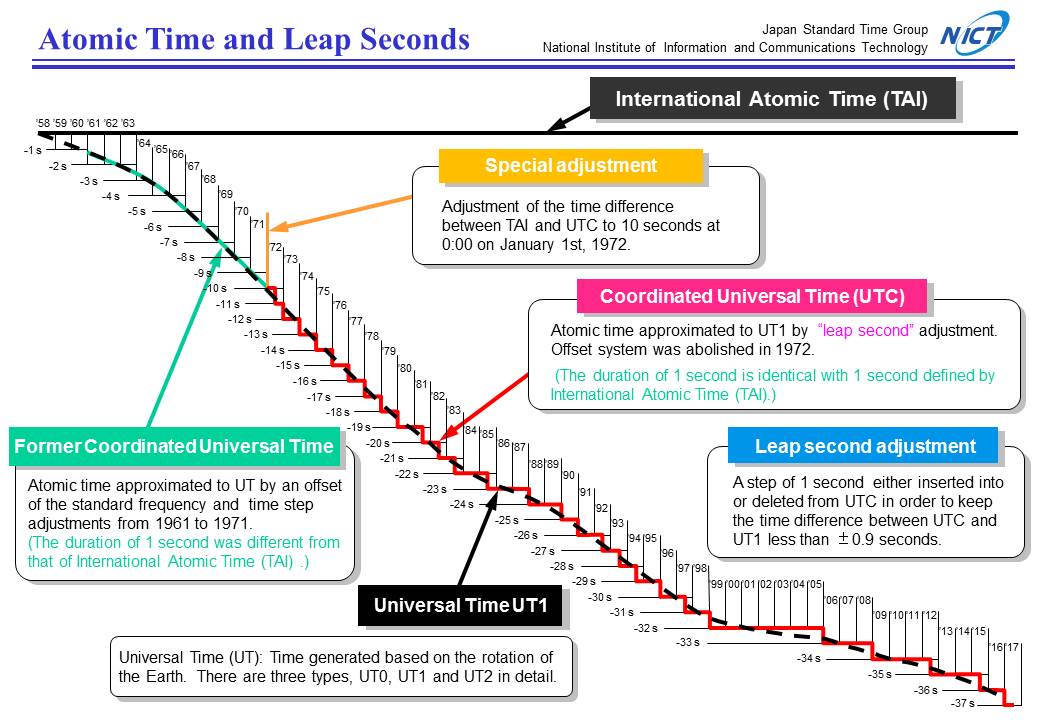
Delegates meeting near Versailles this week will vote on abolishing the leap second, driven by Earth's recent speed-up.
Researchers find quantum systems retain statistical traces of initial states
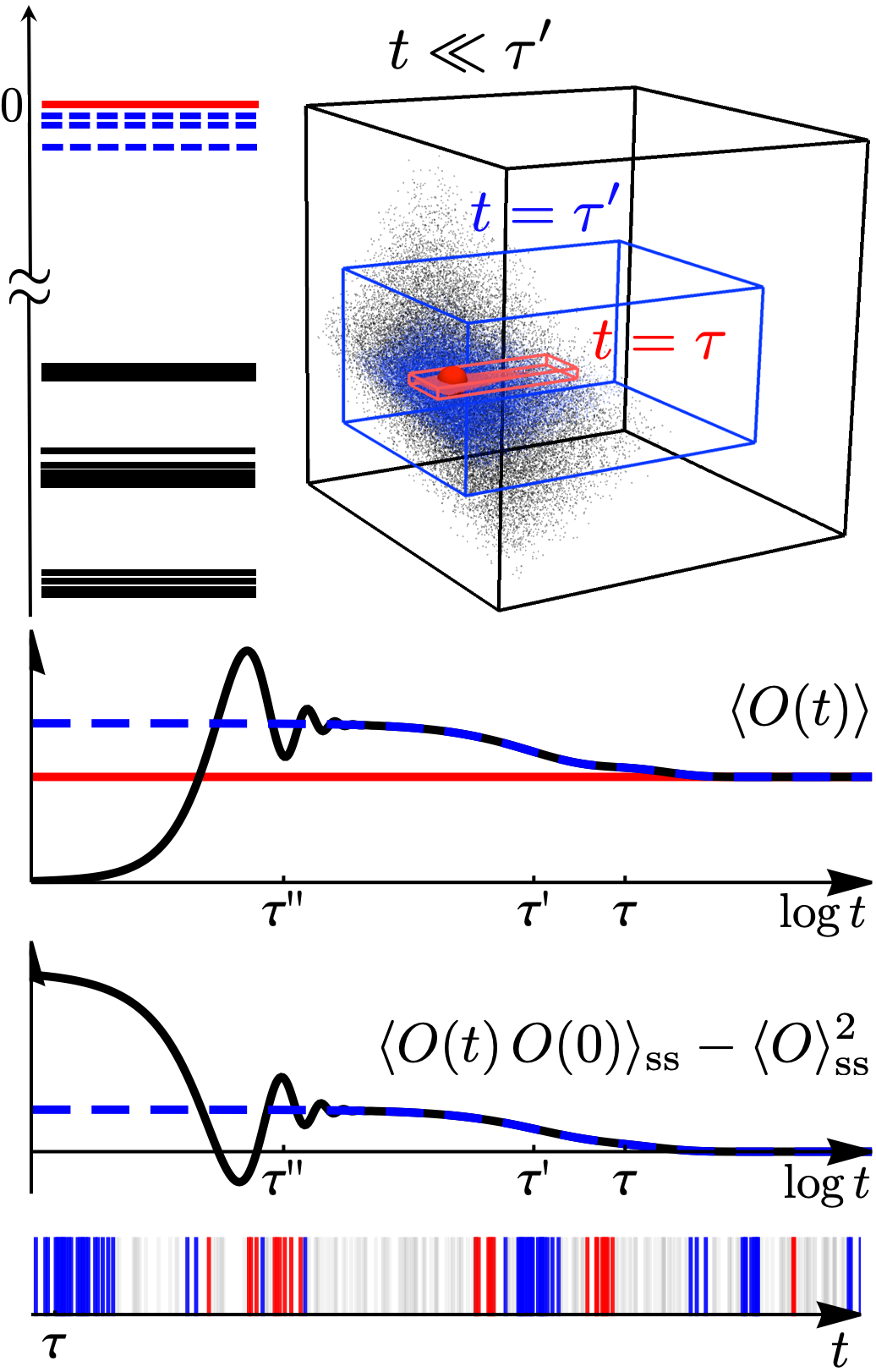
Researchers at Harvard University, Tampere University, and TU Dresden published findings in Physical Review X on October 11,...
NASA Releases Artemis II Lunar Science Data and Farside Images
NASA released nearly a terabyte of Artemis II science data and reports on Wednesday, featuring 11,000 images, audio...