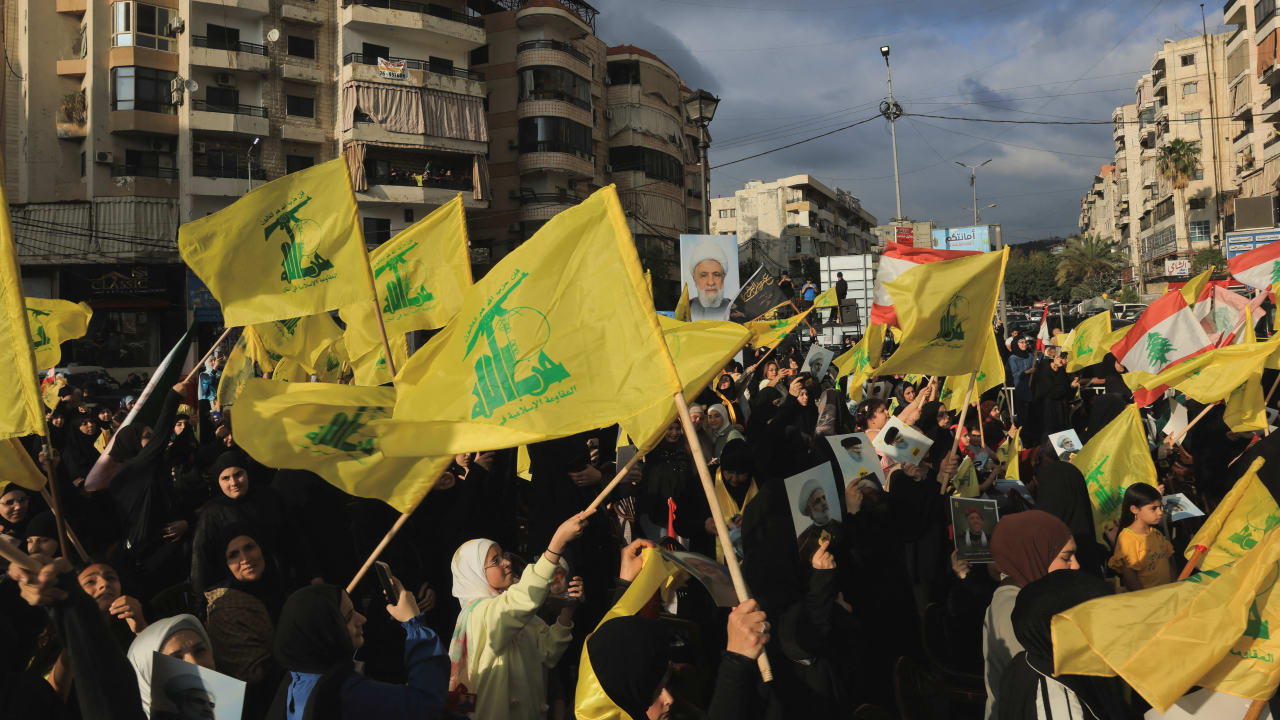
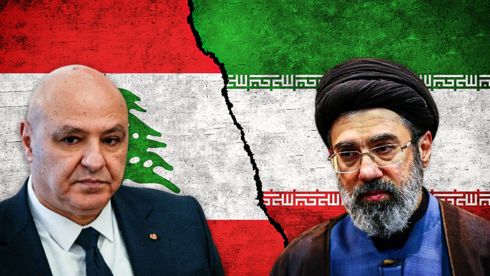
Lebanon and Iran engaged in a diplomatic dispute after Iranian Foreign Minister Abbas Araghchi criticized Beirut’s handling of bilateral ties, prompting Lebanese Foreign Minister Youssef Raggi to declare that international relations must be conducted through official state institutions rather than with internal factions.
State Sovereignty and the Diplomatic War of Words
The friction between Beirut and Tehran intensified when Lebanon’s Foreign Minister insisted that international relations must be conducted exclusively through legitimate constitutional institutions. In a public statement posted on X, Youssef Raggi pushed back against criticism from his Iranian counterpart, Abbas Araghchi, regarding how Lebanon manages its foreign affairs and domestic stability.
Mr Raggi has maintained a firm stance against the Iran-backed militant group Hezbollah. Earlier in the year, he declared Iran’s ambassador to Lebanon, Mohammad Reza Sheibani, persona non grata in late March. While the ambassador’s visa was renewed in late August following a compromise, he did not regain his official diplomatic status, underscoring the deep diplomatic chill between the two governments.
Tehran Calls for Rationality Amid Pressure to Disarm Militias
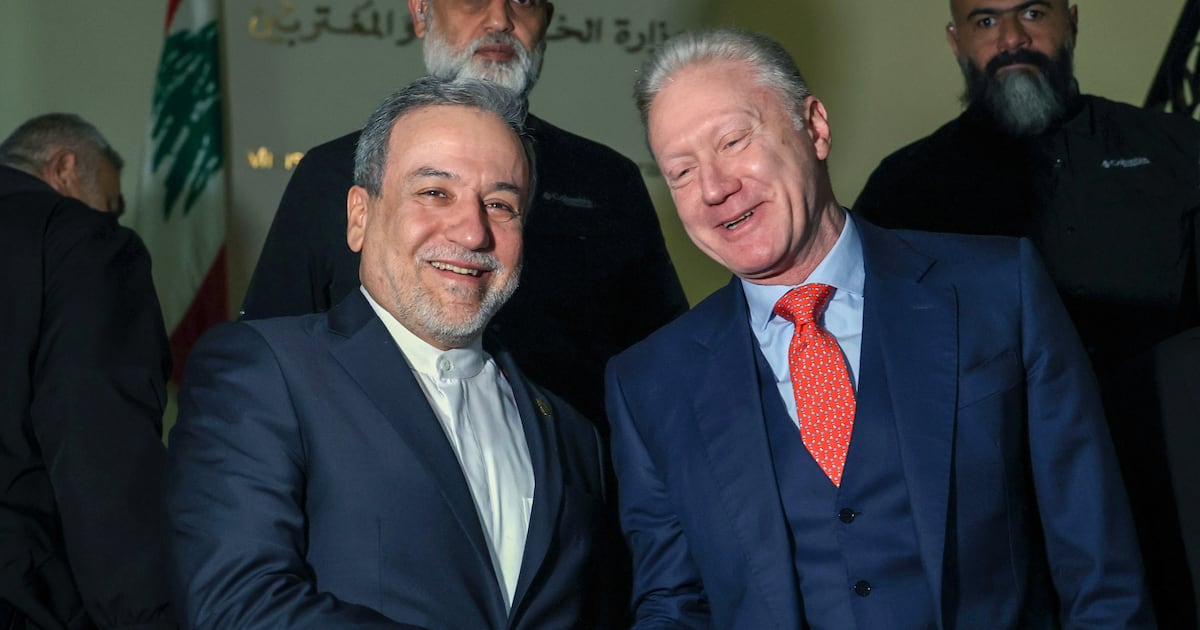
Iranian Foreign Minister Abbas Araghchi responded to the tensions by stating that he hoped the Lebanese Foreign Ministry would show greater rationality
while maintaining that Tehran sought good relations with the Lebanese government as well as all groups and factions in the country. Mr Raggi countered that true rationality begins with respecting state boundaries and dealing directly with a sovereign government.
This diplomatic sparring occurs as Lebanese leadership pushes to disarm all domestic militias, including Hezbollah, amid intense pressure from Washington. Lebanese President Joseph Aoun and Prime Minister Nawaf Salam have classified Hezbollah’s military activities as illegal and have pursued direct talks with Israel to conclude ongoing hostilities.
The current conflict began on March 2, when Hezbollah launched missiles toward Israel in support of Iran and in retaliation for frequent violations of a prior ceasefire. Israel’s military response resulted in extensive casualties and property destruction across southern Lebanon, where troops remain stationed.
Hezbollah Casts Iran as Protector Following Emerging Agreement
As diplomatic channels strain, Hezbollah has attempted to leverage recent developments to restore its political standing. Following an emerging agreement between Iran and the United States, Hezbollah praised Tehran for its missile strikes and framed the Islamic Republic as Lebanon’s true protector.
In a formal statement, the group congratulated Iran, its leadership and its people on the great achievement of reaching an agreement, which led to a comprehensive ceasefire on all fronts, including Lebanon.
Hezbollah representatives urged the Lebanese state to reconsider its current path and rebuild official ties with Tehran, arguing that the regional power was primarily responsible for halting the conflict. Pro-Iranian media outlets in Beirut echoed these sentiments, asserting that Iran supports Lebanon rather than the reverse.
Official Lebanese Leadership Welcomes Ceasefire While Rejecting Interference
While Lebanese officials welcomed the prospect of ending the war, they maintained that no foreign power should manage negotiations on the nation’s behalf. Prime Minister Salam expressed gratitude to international contributors while emphasizing relief for displaced citizens.
“Today, we hope that the US-Iran ceasefire agreement will succeed in ending this war and stopping the killing, destruction, displacement and all other tragedies and suffering inflicted on the Lebanese people.”
Prime Minister Nawaf Salam, via Ynetnews
President Aoun reiterated that while Beirut appreciates international assistance from European and Gulf nations, foreign interference in internal affairs remains strictly unacceptable. Lebanese Parliament Speaker Nabih Berri also praised the understanding reached between the United States and Iran, acknowledging regional mediation efforts by Pakistan, Qatar, Saudi Arabia, and Egypt to secure long-term stability.
The Strategic Stakes for Regional Leverage
Analysts note that Iran views Hezbollah as an essential component of its regional network, often described as the axis of resistance,
designed to project power across the Middle East. By attempting to tie the ceasefire directly to Iranian military actions, Tehran and its allies aim to preserve the group’s political and security footprint inside Lebanon.
Whether Hezbollah can successfully regain its former influence depends heavily on how the Lebanese government navigates ongoing negotiations with the United States and Israel.
Worth a look

Nepal Flood Death Toll Reaches 919 With Thousands Missing
Following a catastrophic Himalayan flood triggered by a glacier collapse on the Nepal-Tibet border, the known death toll...
Sarawak Air Quality Reaches Hazardous Levels Amid Persistent Smog
Hazardous smog from Indonesian wildfires and prolonged dry weather pushed air quality in Malaysia's Sarawak state to critical...

Trump Announces Historic Deal to Control 65 Billion Barrels of Venezuelan Oil
US President Donald Trump announced that the United States has entered into an agreement with Venezuela to take...